


Best Organic Soap for Sensitive Skin: 2026 Guide
Table of Contents
- What Makes the Best Organic Soap for Sensitive Skin
- Organic Soap Ingredients for Sensitive Skin Worth Knowing
- Benefits of Cold-Processed Soap for Reactive Skin
- How to Identify Non-Toxic Soap Labels Before You Buy
-
Top Organic Soaps for Sensitive Skin: Compared
- 1. Gently Radiant Skin SheaX Bar Soap
- 2. Vermont Soap Organics Oatmeal Lavender Bar
- 3. Dr. Bronner's Pure-Castile Liquid Soap - Baby Unscented
- 4. Kirk's Original Coco Castile Fragrance Free Bar Soap
- 5. Aspen Kay Naturals Oatmeal, Goat Milk & Shea Butter Bar
- 6. Tree to Tub Soapberry Unscented Cleanser
- Patch Testing Protocol and Cost-Per-Wash Comparison
- How to Store Handmade Soap Bars to Make Them Last
- Conclusion
Last Updated: August 22, 2026
Finding the best organic soap for sensitive skin is harder than it looks. Shelves overflow with products claiming to be "natural" or "gentle," yet most still contain synthetic surfactants, artificial fragrances, and preservatives that strip the skin barrier and trigger flares. At Gently Radiant Skin, we've spent years formulating and testing cold-processed organic cleansers specifically for reactive, eczema-prone, and allergy-sensitive skin.
This guide cuts through the label noise. Below, you'll find a breakdown of what actually matters in an organic soap, a clear explanation of ingredient red flags, and a ranked comparison of six products worth your attention, including the one we make ourselves.
Quick Picks:
- Best Overall: Gently Radiant Skin SheaX Bar, dermatologist and pediatrician approved, National Eczema Association accepted, cold-processed with USDA-certified organic ingredients
- Best Budget Bar: Kirk's Original Coco Castile Fragrance Free, simple coconut-oil base, fragrance-free, widely available
- Best for Gentle Exfoliation: Aspen Kay Naturals Oatmeal, Goat Milk & Shea Butter Bar, cold-processed with oats, honey, and goat milk
- Best Liquid Option: Dr. Bronner's Pure-Castile Baby Unscented, highly concentrated, biodegradable, fragrance-free
What Makes the Best Organic Soap for Sensitive Skin
The best organic soap for sensitive skin cleanses without disrupting the skin's acid mantle, preserves natural glycerin, and avoids synthetic additives that provoke inflammation. A well-formulated organic bar sits close to the skin's natural pH of 4.5 to 5.5, uses saponified oils from certified organic sources, and retains the natural glycerin produced during saponification. Commercial soaps often extract that glycerin and sell it separately, leaving a harsher product.
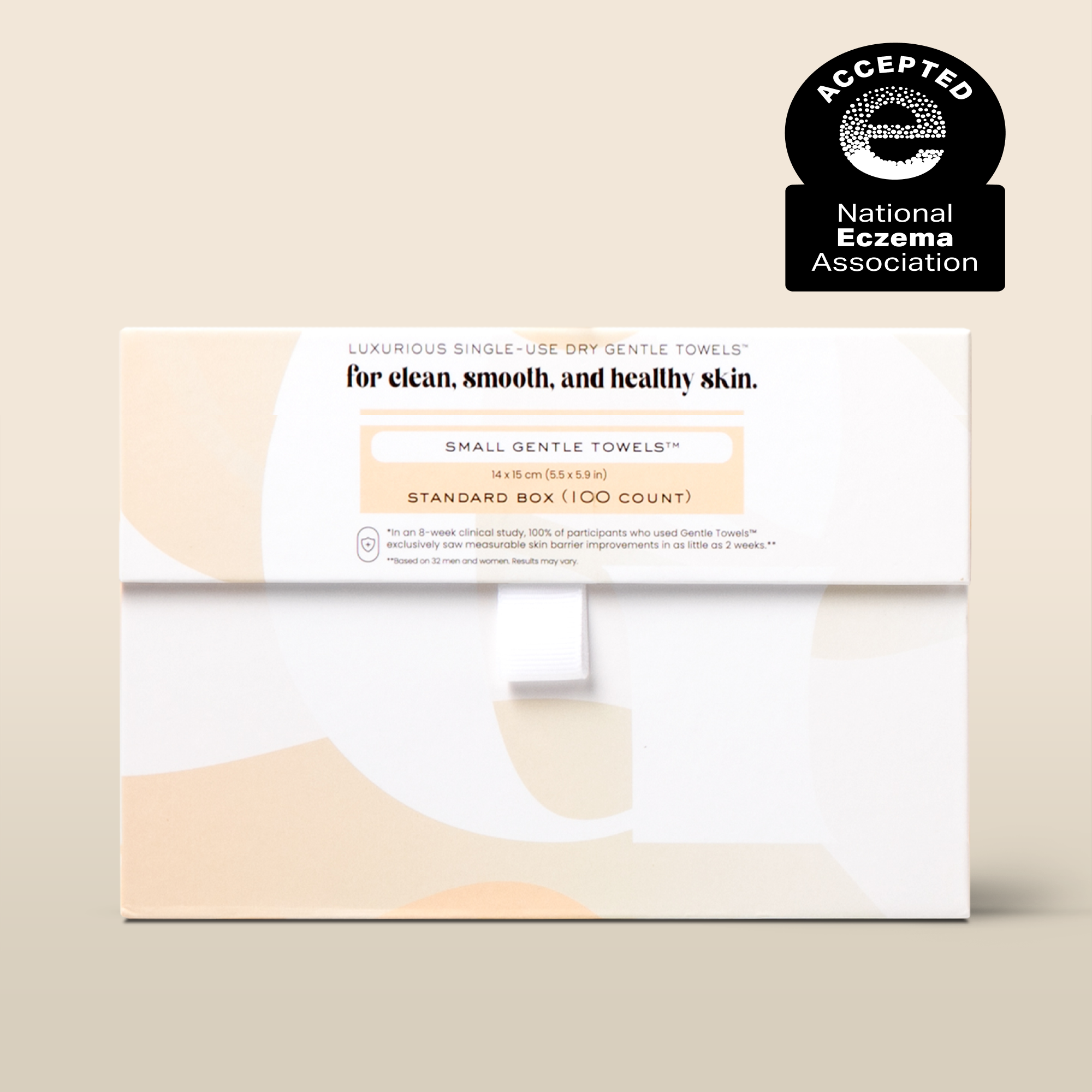
According to the National Eczema Association's guidance on cleansers, people with eczema-prone or sensitive skin should prioritize fragrance-free, dye-free cleansers that support the skin barrier.
Fragrance-Free vs. Unscented: What the Labels Actually Mean
Fragrance-free means no fragrance compounds were added, neither synthetic nor natural. Unscented means a product may still contain masking fragrances designed to neutralize odor while carrying sensitizing compounds.
For reactive skin, fragrance-free is the only safe choice. Essential oils like lavender, eucalyptus, and citrus are natural but common triggers for contact dermatitis. The American Contact Dermatitis Society's fragrance allergy resources consistently lists fragrance as one of the most prevalent causes of allergic contact dermatitis.
How Hard Water Affects Sensitive Skin and Soap Performance
Hard water, with high mineral content of calcium and magnesium, reacts with soap to form insoluble soap scum rather than a clean rinse. That residue sits on skin, clogs pores, and can worsen eczema and psoriasis. Castile soaps made with coconut oil, like Kirk's Original, perform notably better in hard water than olive-oil-heavy formulas.
Organic Soap Ingredients for Sensitive Skin Worth Knowing
The most effective organic soap ingredients for sensitive skin cleanse gently while contributing emollients, humectants, or skin-barrier-supporting compounds.
Ingredients worth seeking out:
- Shea butter, a rich emollient that reduces trans-epidermal water loss and soothes inflammation
- Organic oats, clinically recognized for anti-inflammatory and itch-relieving properties
- Goat milk, contains lactic acid for mild exfoliation and natural fats that support the skin microbiome
- Organic olive oil, high in oleic acid and deeply moisturizing
- Coconut oil, creates rich lather and performs well in hard water
- Natural glycerin, a humectant that draws moisture into the skin; retained in cold-process soaps but removed from most commercial bars
Ingredients to Avoid in Commercial Cleansers
- Sodium lauryl sulfate (SLS) and sodium laureth sulfate (SLES), synthetic surfactants that disrupt the skin barrier
- Parabens, preservatives linked to skin sensitization
- Phthalates, often hidden inside "fragrance" on ingredient lists; associated with hormonal disruption and skin irritation
- Artificial dyes and colorants, no functional benefit; common allergens
- Triclosan, an antibacterial agent that alters the skin microbiome and has been restricted by the FDA FDA ruling on triclosan in consumer antiseptics
- Synthetic preservatives like DMDM hydantoin, formaldehyde-releasing compounds that cause sensitization over time
"Natural" labeling is not federally regulated in the US. Reading the full INCI ingredient list matters more than any front-label claim.
Benefits of Cold-Processed Soap for Reactive Skin
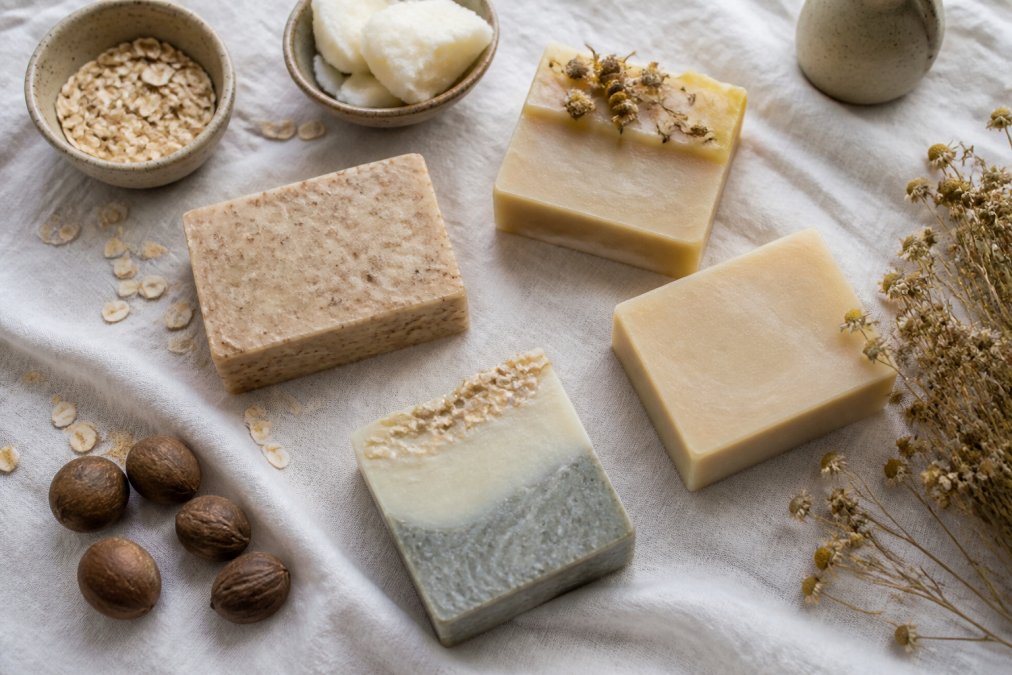
Cold-process soap is made by combining saponified oils with lye at low temperatures, without external heat. This method preserves heat-sensitive nutrients, vitamins, antioxidants, and the natural glycerin produced during saponification.
For reactive skin, cold-process bars retain natural glycerin, which acts as a humectant and leaves skin hydrated rather than stripped. No artificial preservatives are needed for a properly cured bar, keeping the formula simpler and less likely to trigger reactions. Artisan-crafted cold-process soaps cure for four to six weeks, allowing excess lye to neutralize fully and producing a gentler product.
How to Identify Non-Toxic Soap Labels Before You Buy
Certifications that carry real weight:
- USDA Certified Organic, at least 95% of ingredients are organically produced
- National Eczema Association Seal of Acceptance, products must meet specific formulation criteria
- MADE SAFE Certified, screens for known harmful chemicals and endocrine disruptors
- Leaping Bunny / PETA Cruelty-Free, verifies no animal testing
Claims that mean nothing without supporting evidence:
- "Natural", unregulated term
- "Pure", no legal definition
- "Dermatologist-tested", does not mean dermatologist-approved
- "Hypoallergenic", not regulated by the FDA for soap
The most reliable approach is to read the full ingredient list, check for third-party certifications, and look for dermatologist-approved claims backed by clinical documentation.
Top Organic Soaps for Sensitive Skin: Compared
Six products stand out when evaluating the best organic soap for sensitive skin across ingredient quality, manufacturing method, real-world performance, and label transparency.
| Product | Type | Key Ingredients | Fragrance-Free | Best For |
|---|---|---|---|---|
| Gently Radiant Skin SheaX Bar | Cold-process bar | Organic shea butter, chamomile | Yes | Eczema, reactive, pediatric skin |
| Vermont Soap Oatmeal Lavender | Cold-process bar | Oats, olive oil, lavender EO | No (lavender scent) | Dry, sensitive skin |
| Dr. Bronner's Baby Unscented | Liquid castile | Organic olive oil, coconut oil | Yes | Multi-use, all ages |
| Kirk's Coco Castile | Bar | Coconut oil | Yes | Budget, hard water |
| Aspen Kay Oatmeal Goat Milk | Cold-process bar | Oats, goat milk, shea butter | No (phthalate-free fragrance) | Gentle exfoliation |
| Tree to Tub Soapberry Unscented | Liquid cleanser | Soapberries, aloe vera, shea | Yes | Extremely reactive skin |
1. Gently Radiant Skin SheaX Bar Soap, Best Overall
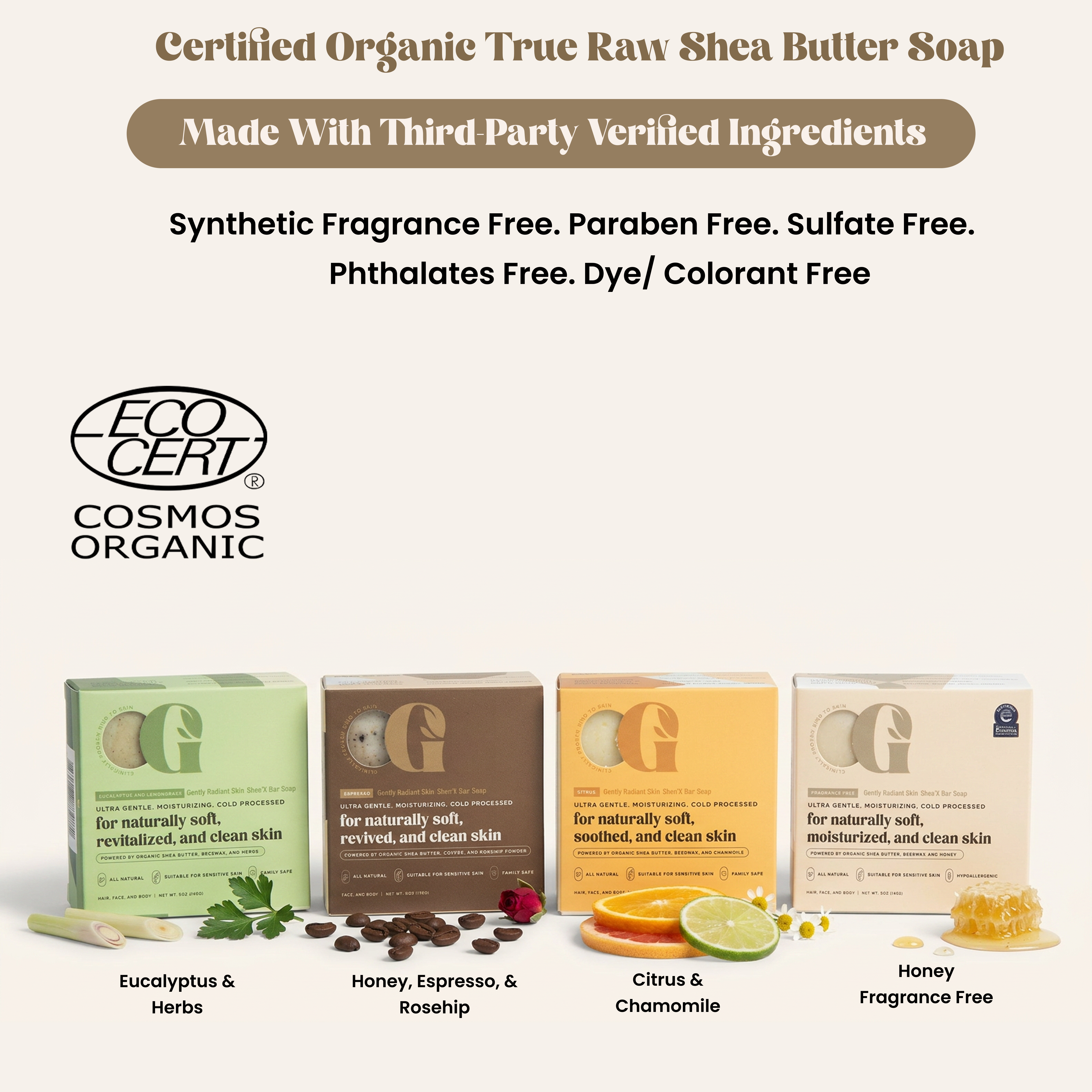
The Gently Radiant Skin SheaX Bar earns top position because of USDA-certified organic ingredients, cold-process manufacturing that preserves natural glycerin, and clinical testing beyond self-certification. It is accepted by the National Eczema Association and approved by dermatologists and pediatricians, making it suitable for children with eczema and adults with chronic reactive skin.
Customer Fey E. reported: "The SheaX Fragrance-Free bar helped my daughter's eczema, and I'm genuinely amazed." The formula is designed to improve skin barrier function within two weeks and reduce the appearance of blemishes by week eight. Materials are sustainably and ethically sourced. For pricing, visit gentlyradiantskin.com.
Pros: National Eczema Association accepted; dermatologist and pediatrician approved; certified organic; cold-processed; no immediate lotion needed Cons: Premium pricing, though skin-barrier benefits justify the difference for users with reactive skin
2. Vermont Soap Organics Oatmeal Lavender Bar, Best for Dry, Sensitive Skin
Vermont Soap Organics makes artisan-crafted bars using organic olive oil, coconut oil, and sustainably certified palm oil. The oatmeal lavender bar adds organic oats with well-documented anti-inflammatory and soothing properties for irritated skin.
This bar contains lavender essential oil. For most people with sensitive skin, that's fine. For those with contact dermatitis triggered by essential oils, it's a disqualifier. At $4.99 per bar, it's one of the more accessible artisan options.
Pros: Organic ingredients; soothing oats; small-batch craftsmanship; leaves skin moisturized Cons: Contains lavender essential oil; not suitable for those with essential oil sensitivities
3. Dr. Bronner's Pure-Castile Liquid Soap - Baby Unscented, Best Multi-Use Liquid
Dr. Bronner's Baby Unscented is made with over 90% organic and 70% fair-trade ingredients, with double the olive oil of their standard castile formula. It's fragrance-free, biodegradable, and packaged in 100% post-consumer recycled plastic. The concentration is high; a few drops go a long way. At $17.19 for 32 fl oz, it's a reasonable value per wash.
Pros: Highly concentrated and long-lasting; fragrance-free; certified organic; biodegradable; multi-purpose Cons: Not tear-free; high pH of true castile soap may not suit extremely reactive skin
4. Kirk's Original Coco Castile Fragrance Free Bar Soap, Best Budget Option
Kirk's is the clearest value play. A 3-pack of 4 oz bars runs $9.59, made with 100% premium coconut oil and nothing else of concern, no phthalates, sulfates, parabens, EDTA, glutens, or artificial colorants. It's hypoallergenic and clinically tested safe for sensitive skin. The coconut-oil base creates rich lather that holds up better in hard water than olive-oil-heavy alternatives.
Pros: Simple ingredients; fragrance-free; affordable; performs well in hard water; hypoallergenic Cons: Bars may dissolve quickly; can feel slightly drying in winter
5. Aspen Kay Naturals Oatmeal, Goat Milk & Shea Butter Bar, Best for Gentle Exfoliation
Aspen Kay's handmade bar combines certified organic shea butter, olive oil, organic oats, raw honey, and goat's milk in a traditional cold-process formula. The oats provide gentle exfoliation, goat milk contributes lactic acid and skin-nourishing fats, and shea butter adds emollient moisture. At $7.99 for a 4.5 oz bar, it's mid-range pricing for a nourishing formula.
Pros: Cold-processed; retains natural glycerin; gentle exfoliation; rich, nourishing ingredients; good lather Cons: Contains phthalate-free fragrance; unsuitable for those with fragrance sensitivity
6. Tree to Tub Soapberry Unscented Cleanser, Best for Extremely Reactive Skin
Tree to Tub uses wild soapberries, the fruit of the Sapindus mukorossi tree, as a natural source of saponin for foaming. The result is a pH-balanced cleanser at 5.5, matching the skin's natural pH more closely than traditional bar soap. The formula is fragrance-free, dermatologically tested, and enriched with organic shea butter, aloe vera, and chamomile. At $14.99 for 8.5 fl oz, it's a premium liquid option for people whose skin reacts to nearly everything.
Pros: pH-balanced at 5.5; fragrance-free; hypoallergenic; nut-allergy safe; multi-use Cons: Less widely available in physical stores; newer brand with less long-term track record
Patch Testing Protocol and Cost-Per-Wash Comparison
Patch testing is the step most people skip, yet it's the reason they keep cycling through products that flare their skin. A proper patch test takes 48 hours and requires no special equipment.
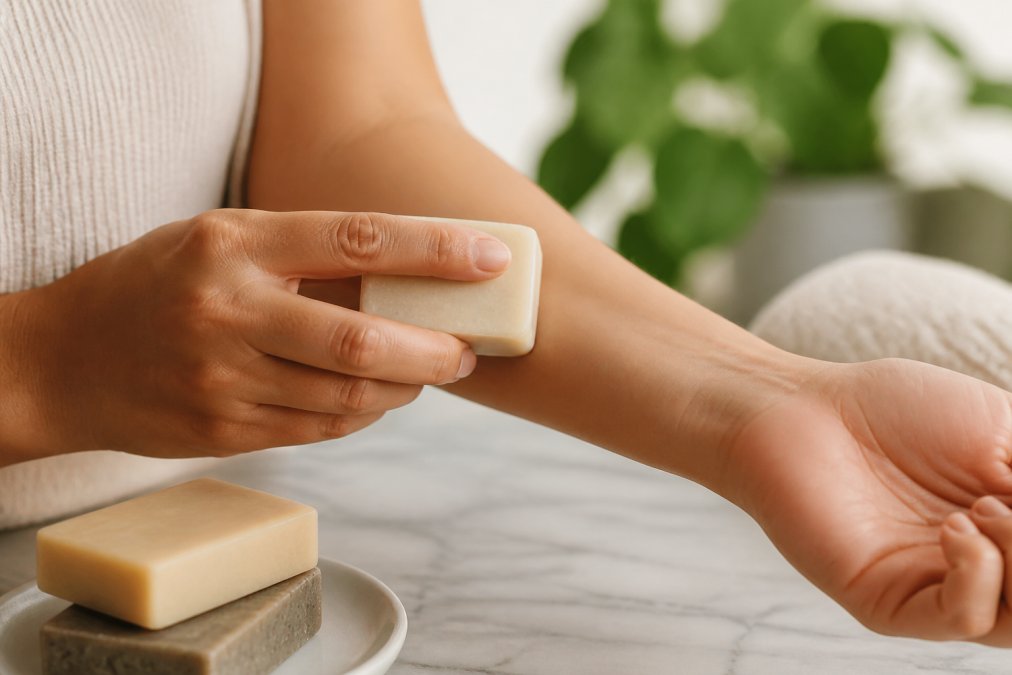
Patch Test Checklist:
- Apply a small amount of lathered soap to the inside of your wrist or the crook of your elbow
- Leave on for 60 seconds, then rinse thoroughly
- Wait 24 hours and check for redness, itching, swelling, or raised skin
- If no reaction, repeat on a second day before committing to full-body use
- If any reaction occurs, discontinue immediately and note the ingredient list
Cost-Per-Wash Comparison
| Product | Price | Estimated Washes | Cost Per Wash |
|---|---|---|---|
| Vermont Soap Oatmeal Lavender | $4.99/bar | ~40-50 washes | ~$0.10-0.12 |
| Dr. Bronner's Baby Unscented (32 oz) | $17.19 | ~100+ washes (diluted) | ~$0.17 or less |
| Kirk's Coco Castile (3-pack) | $9.59 | ~90-120 washes | ~$0.08-0.11 |
| Aspen Kay Oatmeal Bar | $7.99/bar | ~40-50 washes | ~$0.16-0.20 |
| Tree to Tub Soapberry (8.5 oz) | $14.99 | ~50-60 washes | ~$0.25-0.30 |
How to Store Handmade Soap Bars to Make Them Last
Cold-process and artisan-crafted bars are more perishable than commercial soaps because they retain natural glycerin and lack synthetic preservatives. The single most damaging thing is sitting in water. A soap dish that allows drainage is essential.
Storage best practices:
- Use a draining soap dish or wooden soap rack that allows air circulation
- Keep bars away from direct shower spray between uses
- Store unused bars unwrapped in a cool, dry place
- Avoid sealed containers, which trap moisture and accelerate rancidity
A well-stored cold-process bar can last six to eight weeks in regular use.
The best organic soap for sensitive skin does more than clean; it actively supports the skin barrier, avoids ingredients that provoke inflammation, and holds up to real-world scrutiny on its certifications. Many people with reactive skin spend years cycling through products that promise gentleness and deliver irritation instead. Gently Radiant Skin was built specifically to end that cycle, with cold-processed organic formulations that are dermatologist and pediatrician approved, National Eczema Association accepted, and clinically tested for sensitive skin. SHOP SHEAX and experience what it feels like to wash without bracing for a reaction.
Frequently Asked Questions
What is the best organic soap for sensitive skin?
The best organic soap for sensitive skin is fragrance-free, cold-processed, and made with saponified plant oils like shea butter, olive oil, or coconut oil. It should retain natural glycerin, avoid synthetic surfactants, parabens, and phthalates, and carry third-party certifications such as USDA Organic or National Eczema Association acceptance. Gently Radiant Skin's SheaX bar meets all these criteria and is both dermatologist and pediatrician approved, making it a strong option for eczema-prone and reactive skin.
Are organic soaps better for eczema-prone skin?
Organic soaps are generally better for eczema-prone skin because they avoid the synthetic surfactants, artificial fragrances, and preservatives that most commonly trigger flares. Cold-processed organic bars also retain natural glycerin, which acts as a humectant to reduce trans-epidermal water loss and support the skin barrier. Look for soaps accepted by the National Eczema Association and formulated without sulfates, parabens, or added fragrance to minimize the risk of irritation and inflammation.
What soap do dermatologists recommend for sensitive skin?
Dermatologists typically recommend fragrance-free, hypoallergenic, pH-balanced cleansers that do not strip the skin's natural oils. For organic options, bars made with shea butter, oat extract, goat milk, or castile-style saponified oils are frequently cited as suitable for sensitive and eczema-prone skin. Products that are clinically tested, non-comedogenic, and free from sulfates and parabens align most closely with dermatologist guidance. Gently Radiant Skin's SheaX bar is formally dermatologist approved.
What is the difference between fragrance-free and unscented soap?
Fragrance-free means no fragrance compounds were added to the formula at all, making it the safer choice for reactive or eczema-prone skin. Unscented means the product has no detectable smell, but masking agents may have been added to neutralize natural odors from the base ingredients. For sensitive skin, fragrance-free is the more protective label. Always read the full ingredient list rather than relying on front-of-pack claims, since the FDA does not require companies to disclose individual fragrance components.
How do I know if an organic soap label is trustworthy?
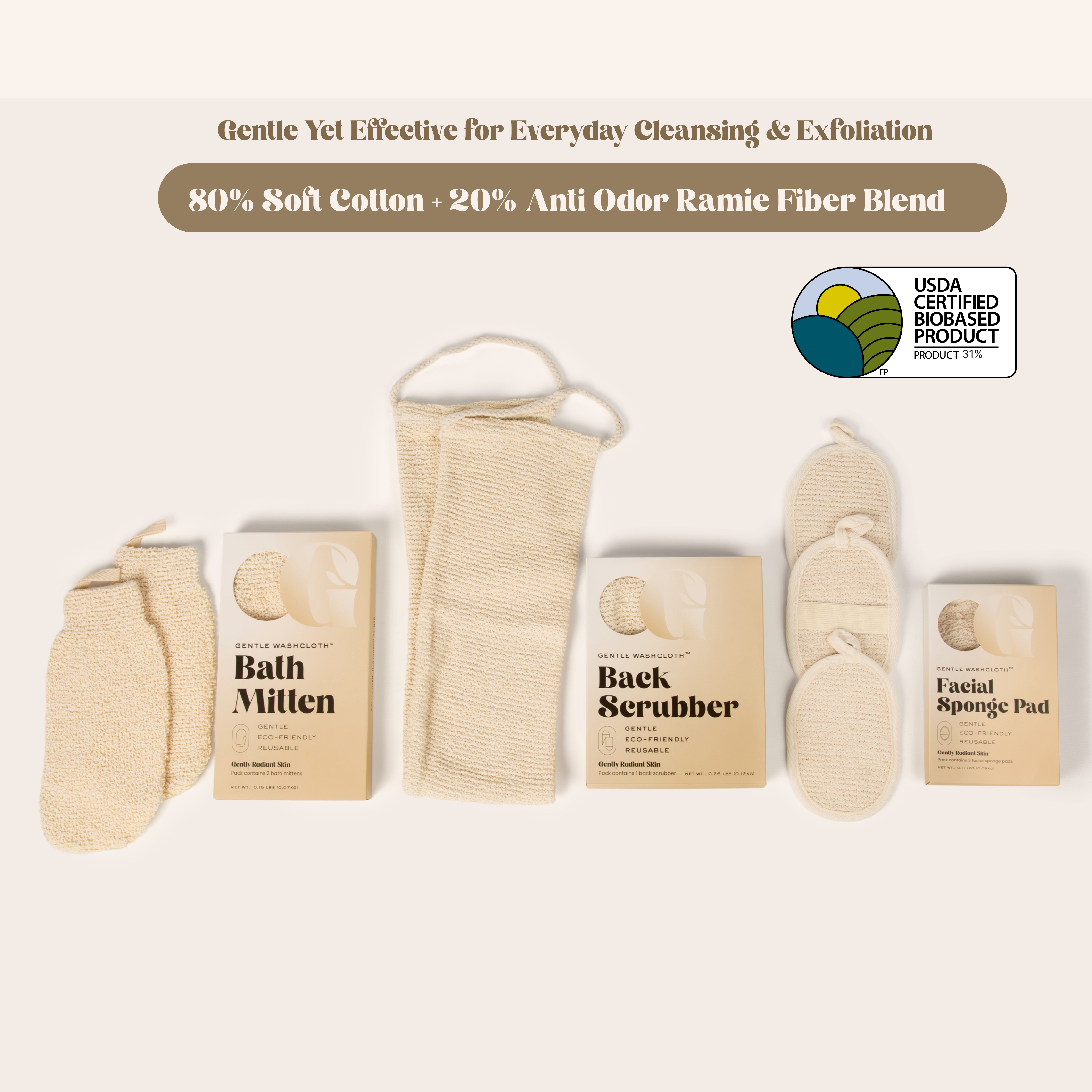
Look for third-party certifications rather than self-applied claims. USDA Organic certification requires at least 95% organically produced ingredients. USDA BioPreferred or BioBase labels confirm a high percentage of plant-derived content. National Eczema Association acceptance signals that the formula has been reviewed for known irritants. Avoid soaps that list 'fragrance' or 'parfum' without disclosure, and check that the ingredient list matches claims on the front of the packaging before purchasing.
This article was written using GrandRanker