


Clean Skincare for Reactive Skin 2026
Table of Contents
- Quick Comparison: Top Clean Skincare Picks for Reactive Skin
- Clean Skincare Ingredients to Avoid on Reactive Skin
- How to Treat Reactive Skin Naturally: What Actually Works
- Soothing Skincare Routine for Redness: A Step-by-Step Guide
- Best Clean Skincare Products for Reactive Skin in 2026
- Budget vs. Investment: What You're Actually Paying For
- The Psychological Weight of Chronic Skin Reactivity
- Which Products Should You Start With?
Last Updated: August 25, 2026
Managing clean skincare for reactive skin is harder than most guides admit. Products that work for normal skin often trigger inflammation and barrier breakdown in reactive types. Below, we break down what to avoid, what works, and which products hold up in 2026.
Reactive skin signals a compromised skin barrier that allows irritants to penetrate easily, triggering inflammation and sensitivity. The good news: with the right cleansing approach, barrier repair is measurable within weeks.
Quick Comparison: Top Clean Skincare Picks for Reactive Skin
Quick Picks:
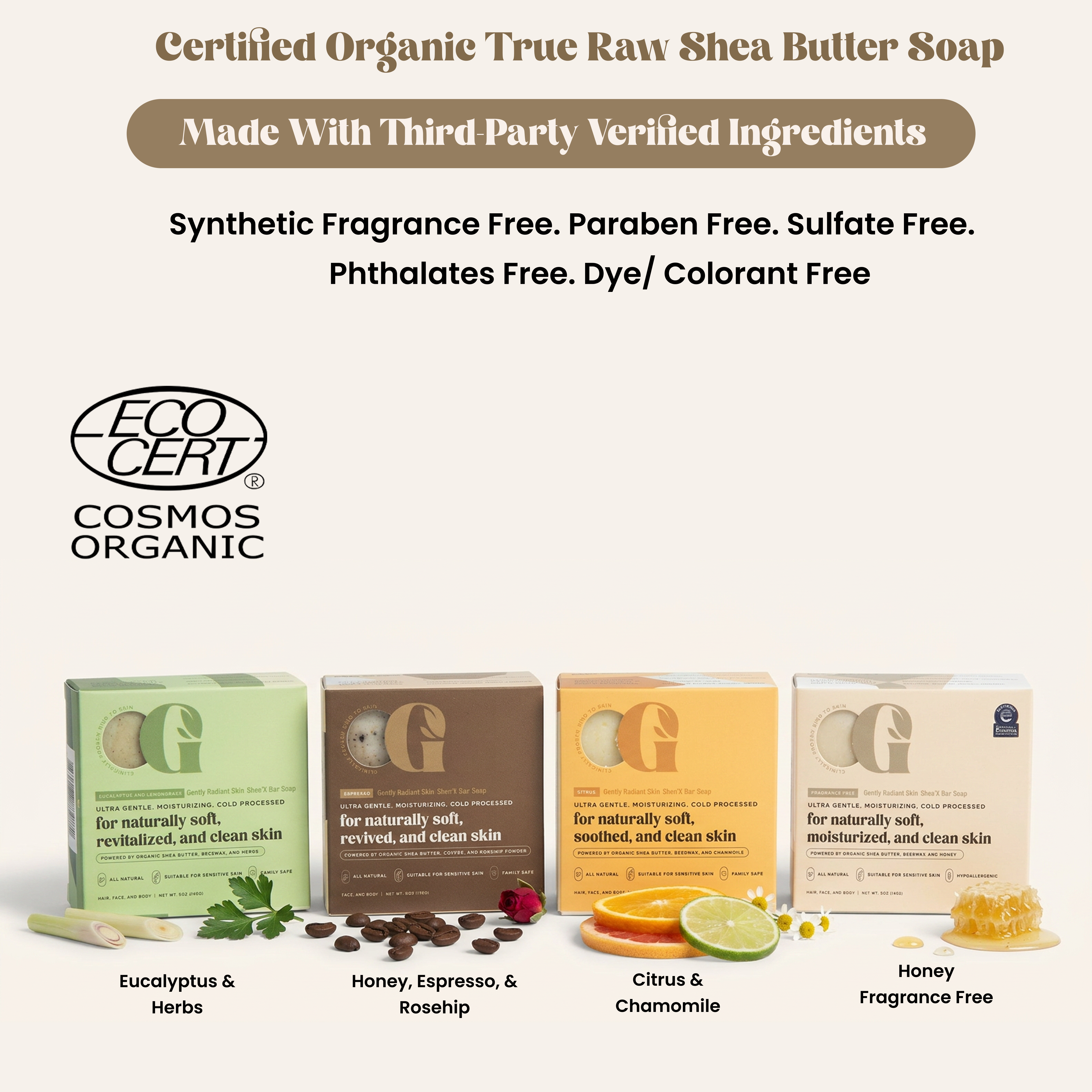
- Best Cleansing Bar: SheaX Honey Fragrance Free Bar Soap, certified organic, NEA accepted, fragrance-free
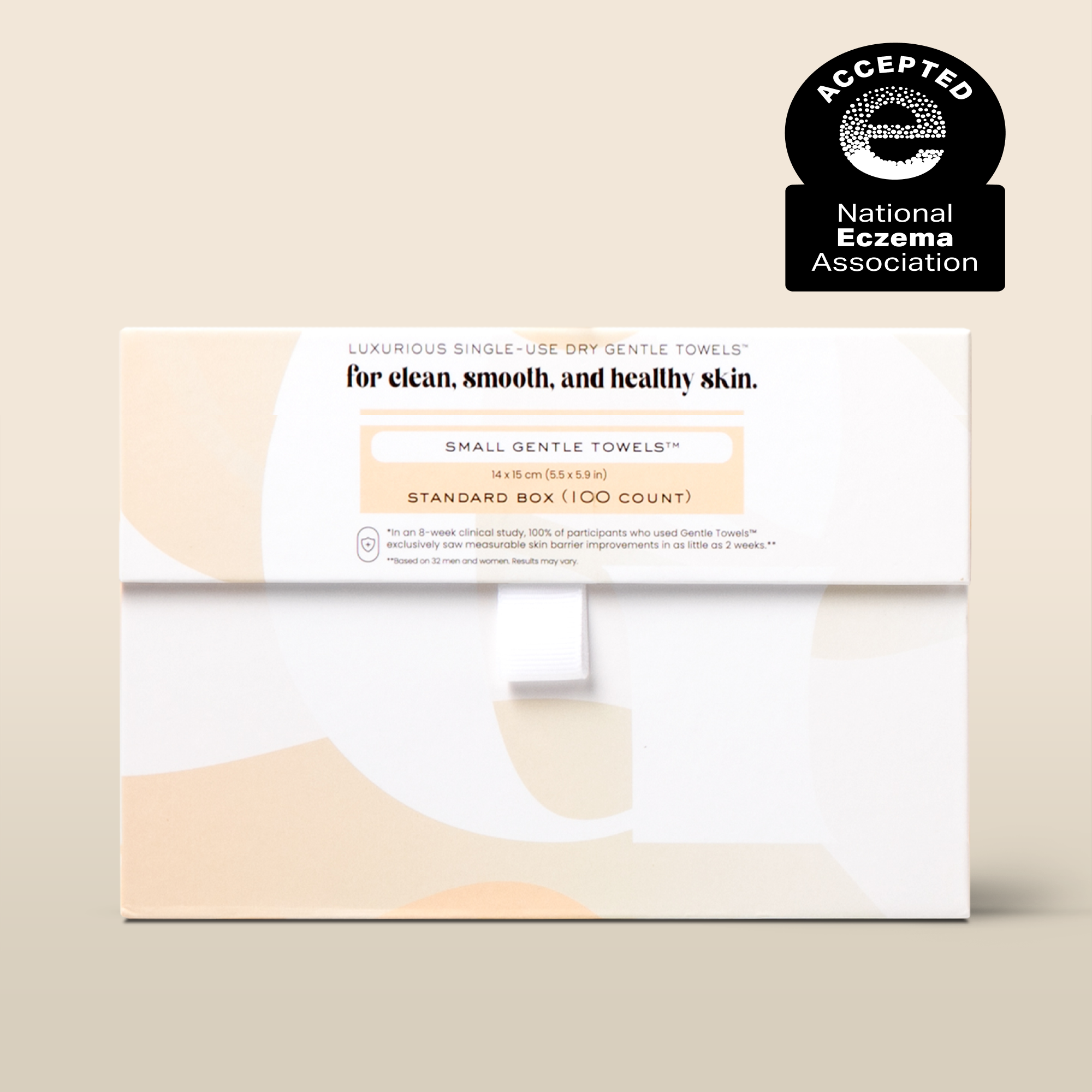
- Best Facial Towel: Gentle Towels Daily Facial Towels, clinically tested, single-use hygiene, barrier-improving
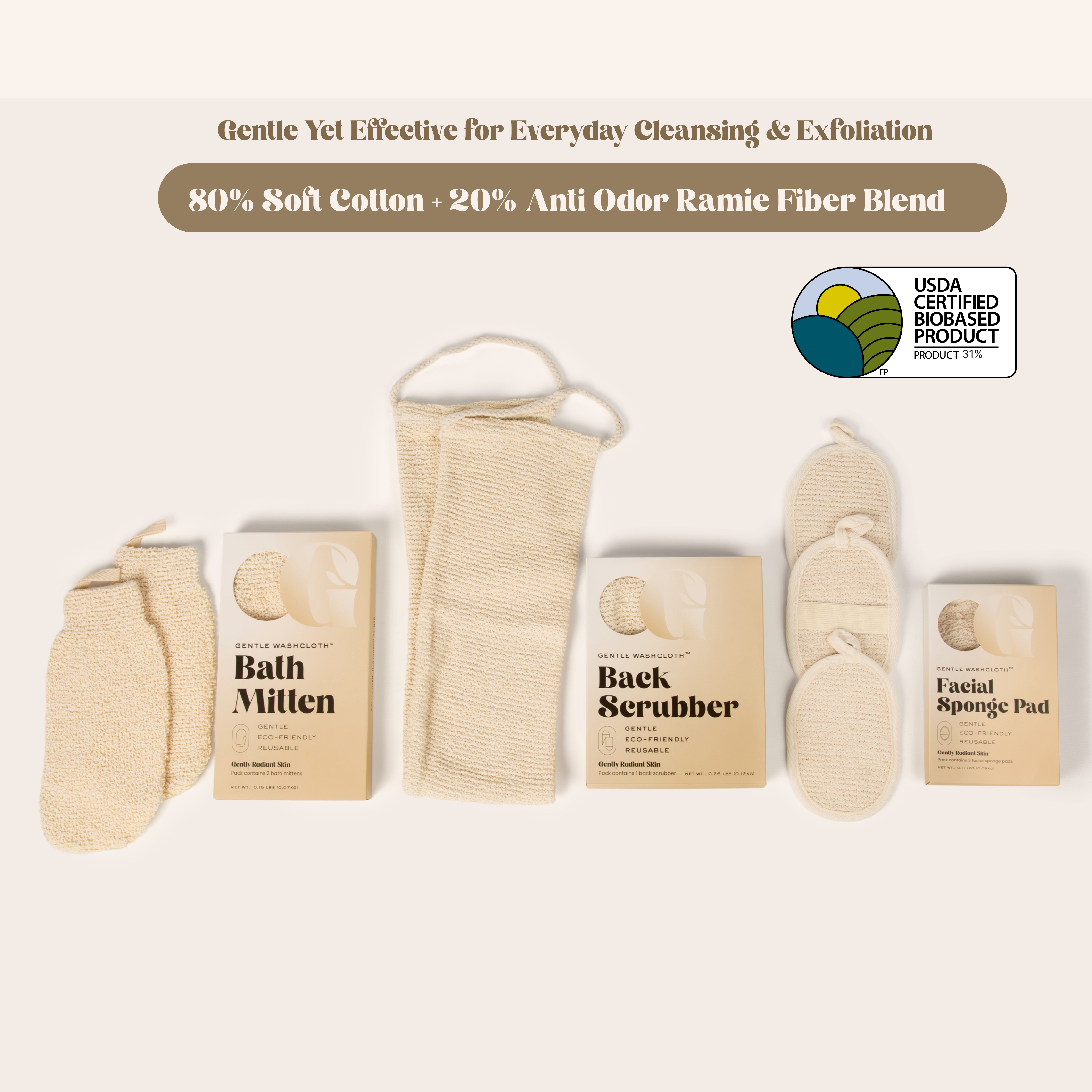
- Best for Light Exfoliation: Gentle Washcloth Collection, USDA bio-based cotton and ramie blend
| Product | Price | Best For | Key Credential |
|---|---|---|---|
| SheaX Honey Fragrance Free Bar Soap | $20.00 | Reactive and eczema-prone skin | NEA Accepted, Dermatologist Approved |
| Gentle Towels (50 ct, 5.5 x 6 in) | $18.00 | Daily face cleansing, acne-prone skin | Clinically tested, USDA Bio-based |
| Gentle Towels (100 ct, 5.5 x 6 in) | $32.00 | Families or multi-user households | NEA Accepted, Pediatrician Approved |
| Gentle Towels (8 x 9 in, 60 ct) | $24.99 | Face and neck, larger coverage | Fragrance-free, Dermatologist Approved |
| Gentle Washcloth Collection | $50.00 | Gentle daily exfoliation | USDA Certified Bio-based |
Clean Skincare Ingredients to Avoid on Reactive Skin
The biggest mistake people with reactive skin make is trusting "natural" on a label. Many botanical ingredients are common triggers for sensitivity, and ingredient combinations can cause problems when used together.

Fragrance and Essential Oils
Fragrance is the single most documented trigger for reactive skin. According to the American Contact Dermatitis Society's fragrance allergen research, fragrance compounds are among the leading causes of allergic contact dermatitis. "Fragrance" on an ingredient list can represent dozens of undisclosed chemicals, each with its own irritation profile.
Essential oils are not a safe substitute. Lavender, eucalyptus, citrus oils, and rose extracts are common triggers. Watch for these on labels: parfum, fragrance, linalool, limonene, geraniol, eugenol, and any named essential oil.
Ingredient Interaction Warnings
Two well-tolerated products can cause problems when layered together. Common interaction issues for reactive skin include:
- Acids plus actives: Combining AHAs or BHAs with retinoids strips the skin barrier faster than either alone
- Multiple preservative systems: Some synthetic preservatives amplify each other's irritation potential
- Surfactant overload: Using multiple cleansing products in sequence depletes the skin's natural lipid layer
- pH mismatch: Layering products with different pH levels disrupts the skin's microbiome-friendly environment
The practical rule: simplify before you add. A two- to three-step routine with well-tolerated products outperforms a ten-step routine with untested ingredients.
How to Treat Reactive Skin Naturally: What Actually Works
Treating reactive skin naturally means prioritizing barrier repair and inflammation reduction. The goal is to restore the skin barrier's ability to retain moisture, exclude irritants, and maintain a balanced microbiome-friendly environment.
Hydration and Barrier Repair
Hydration and barrier repair are foundational. Transepidermal water loss is the core problem in most reactive skin conditions. Ingredients that support lipid replenishment and hydration retention include:
- Ceramides: Structural components of the skin barrier that help restore its ability to hold moisture and exclude irritants
- Hyaluronic acid: Draws moisture into the skin and supports hydration retention throughout the day
- Unrefined shea butter: A rich source of fatty acids that mimic the skin's natural lipids
- Colloidal oatmeal: A well-documented soothing agent that reduces redness and calms inflammation
According to National Eczema Association guidance on moisturizers and barrier repair, consistent use of barrier-supporting moisturizers is one of the most evidence-backed approaches for managing chronic skin reactivity.

The SheaX Honey Fragrance Free Bar Soap is built around cold-processed unrefined raw shea butter, which preserves the fatty acids that support lipid replenishment. One customer, Emma A., described it: "This soap is the first I've used that doesn't have me reaching for lotion the second I step out of the shower."
How to Patch Test New Products
Patch testing prevents most problems. Reactive skin responds unpredictably to new products, and a full-face application can trigger a reaction lasting weeks.
Standard patch test protocol:
- Apply a small amount to the inside of your forearm or behind your ear
- Leave it on for 24 hours without washing the area
- Check for redness, itching, swelling, or texture changes
- If no reaction occurs, repeat for a second day
- Only after 48 hours of no reaction should you introduce the product to your face
- Start with one application per day for the first week
Soothing Skincare Routine for Redness: A Step-by-Step Guide
A soothing routine works best when consistent, minimal, and built around fragrance-free, hypoallergenic products with dermatologist-tested credentials.
Morning Routine:
- Cleanse gently with lukewarm water and a fragrance-free, pH-balanced bar soap. Avoid hot water, which increases redness
- Pat dry with a clean, single-use facial towel. Reusing fabric towels transfers bacteria directly to reactive skin
- Apply a ceramide-based moisturizer immediately while skin is slightly damp to lock in hydration
- Finish with SPF using a mineral sunscreen formulated without fragrance or chemical UV filters
Evening Routine:
- Double cleanse if needed with a gentle cleansing balm, then with your fragrance-free bar soap
- Use a calming essence with soothing botanical extracts such as centella asiatica, chamomile, or green tea, all fragrance-free
- Apply a targeted treatment only if your skin is stable. During reactive phases, skip actives and focus on barrier repair
- Seal with a lipid-rich moisturizer containing ceramides or unrefined shea butter
Best Clean Skincare Products for Reactive Skin in 2026
Products that consistently perform for reactive skin share key credentials: fragrance-free, dermatologist-tested, clinically validated, and formulated without synthetic preservatives that trigger inflammation.
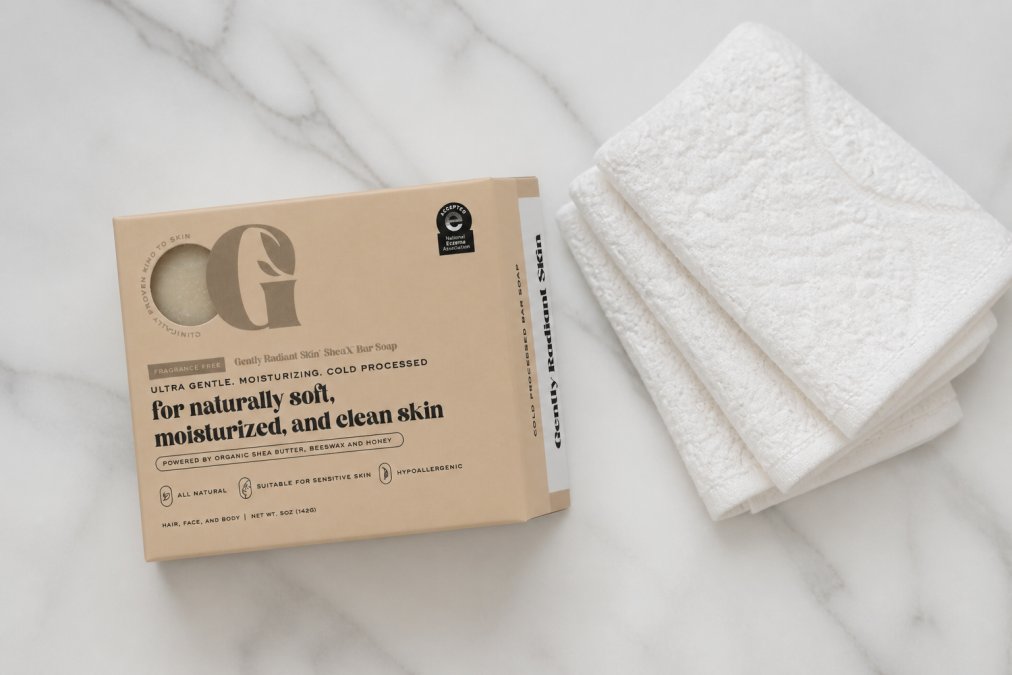
SheaX™ Honey Fragrance Free Bar Soap
The SheaX Honey Fragrance Free Bar Soap is cold-processed, preserving the natural fatty acid profile of unrefined raw shea butter. It carries Certified Organic status, is accepted by the National Eczema Association, and is approved by dermatologists and pediatricians.
Priced at $20.00, it sits above drugstore alternatives but below most specialty dermatological cleansers. The formulation is essential oil-free with no synthetic fragrance. Customer Fey E. shared: "The SheaX Fragrance-Free bar helped my daughter's eczema, and I'm genuinely amazed."
Best for: Adults and children with eczema, chronic skin reactivity, or anyone needing a certified organic, fragrance-free daily cleanser.
What to know: This is a bar soap, so users accustomed to liquid cleansers need a brief adjustment period. The cold-process method produces a slightly softer bar, so keep it dry between uses.
Gentle Towels™ Daily Facial Towels
The Gentle Towels Daily Facial Towels are clinically tested and USDA Bio-based certified. Designed for single use, they eliminate bacterial transfer risk from reusable towels. Clinical testing shows improved skin barrier function in two weeks, with reduced blemishes by week eight.

Available in multiple sizes: 5.5 x 6 inch in 50-count ($18.00), 100-count ($32.00), and 200-count ($60.00). The larger 8 x 9 inch format is available in 15-count ($9.99), 30-count ($14.99), and 60-count ($24.99). The refillable magnetic flap box reduces packaging waste.
Customer Mary I. noted: "Gentle Towels are so convenient, and I love that they come in so many sizes."
Best for: Acne-prone skin, reactive skin, post-procedure care, anyone concerned about bacterial transfer.
Gentle Washcloth™ Collection
The Gentle Washcloth Collection is made from USDA certified bio-based cotton and ramie fiber blend. Ramie provides light exfoliation without abrasive texture. At $50.00, this is the investment option, and it is reusable, making it more sustainable. Customer Joan M. described it: "I love the Gentle Washcloth bath mitten, it's exactly what I hoped for."
Best for: Users who prefer reusable cleansing tools and want light exfoliation without chemical exfoliants.
Budget vs. Investment: What You're Actually Paying For
For reactive skin, formulation variables that drive price differences determine whether your skin tolerates the product. Cold-process manufacturing preserves ingredient integrity. Certified organic sourcing eliminates pesticide residues that can trigger sensitivity. NEA acceptance requires documented testing, not marketing claims.
The budget-friendly path is to start with a single, well-credentialed product rather than multiple cheaper products you then troubleshoot. A $20.00 bar soap that works is less expensive than three $8.00 bars that cause flares.
As documented in [American Academy of Dermatology guidance on sensitive skin(/blogs/quick-reads/best-organic-soap-for-sensitive-skin-2026-guide) care | aad.org], dermatologist-tested and hypoallergenic labels carry more meaningful assurance than "natural" or "organic" alone.
Where investment pays off most clearly:
- Clinically tested barrier improvement: Documented skin barrier improvement in two weeks is a measurable outcome
- Reduced product cycling: Reactive skin managed well requires fewer product changes over time
- Fewer flare recovery costs: Treating a flare often costs more than the preventive product
The Psychological Weight of Chronic Skin Reactivity
Chronic reactive skin is not just physical. The unpredictability of flares, the social visibility of redness, and the exhausting process of identifying triggers create psychological burden that compounds the physical one.
The American Psychological Association's research on chronic health conditions and psychological wellbeing documents that chronic, visible health conditions are associated with increased anxiety and social withdrawal. Skin conditions are no exception.
What helps practically:
- Building a stable minimal routine reduces variables that trigger reactions, lowering anxiety about flares
- Accepting a longer timeline for improvement, measured in weeks rather than days, reduces disappointment
- Tracking reactions in a simple log helps identify patterns that feel invisible in the moment
A clean skincare approach with fewer ingredients, no fragrance, and verified clinical testing reduces the cognitive load of managing reactive skin by eliminating the most common variables.
Which Products Should You Start With?
The clearest starting point is a fragrance-free, dermatologist-approved cleanser and single-use facial towel. These address the two most common sources of ongoing irritation: the cleanser's formulation and cleansing tool hygiene.
The recommended starting combination from Gently Radiant Skin is:
- SheaX Honey Fragrance Free Bar Soap ($20.00): Fragrance-free, certified organic, NEA accepted. Use for at least four weeks before evaluating whether your skin needs additional products.
- Gentle Towels Daily Facial Towels ($18.00 for 50-count): Replace your current face towel immediately. The hygiene improvement alone is meaningful for reactive and acne-prone skin.
If your skin is stable after four weeks and you want light exfoliation, the Gentle Washcloth Collection is the next step.
Reactive skin needs to stabilize before you can assess what it actually needs. Start with two products, hold them for a month, and evaluate from a position of stability rather than reactivity.
SHOP SHEAX and the full Gently Radiant Skin cleansing collection at gentlyradiantskin.com.
Managing clean skincare for reactive skin requires patience, a short ingredient list, and products with real clinical backing. The most common barrier to improvement is too many products with unverified formulations. Gently Radiant Skin's cleansing line, built around certified organic shea butter, fragrance-free formulas, and clinically tested facial towels, is designed specifically for this challenge. Get started with Gently Radiant Skin and build a routine your skin can actually tolerate, week after week.
Frequently Asked Questions
Q: What ingredients should be avoided in clean skincare for reactive skin?
A: The biggest offenders are synthetic fragrance, essential oils, alcohol denat, sulfates like SLS, and synthetic preservatives such as parabens. These disrupt skin barrier function and trigger inflammation in reactive skin. Even products labeled 'natural' can contain essential oils that cause post-inflammatory erythema. Always check for fragrance-free and essential oil-free labeling, and look for dermatologist-tested, hypoallergenic formulas to reduce the risk of a reaction.
Q: Is organic shea butter effective for reactive skin?
A: Yes. Unrefined, cold-processed organic shea butter is rich in fatty acids that support lipid replenishment and help reduce transepidermal water loss. It is non-comedogenic and well-tolerated by most reactive and eczema-prone skin types. The SheaX™ bar soaps use certified organic, unrefined raw shea butter and are both dermatologist approved and accepted by the National Eczema Association, making them a clinically grounded option for daily cleansing.
Q: How can I calm reactive skin using clean beauty products?
A: Start with a pH-balanced, fragrance-free cleanser that contains soothing agents such as colloidal oat or botanical extracts. Avoid scrubbing with reusable towels that harbor bacteria; single-use facial towels eliminate that contamination risk. Follow cleansing with a ceramide-containing moisturizer to support the skin barrier. Introduce new products one at a time and always patch test on the inner forearm for 24 to 48 hours before applying to your face.
Q: What is the best skincare routine for managing redness in 2026?
A: A redness-reducing routine should include a gentle, sulfate-free cleanser, a calming essence with hyaluronic acid or niacinamide, and a fragrance-free moisturizer that supports barrier repair. Cleansing tools matter too: single-use facial towels prevent bacterial transfer that worsens redness. Gentle Towels™ are clinically tested and accepted by the National Eczema Association, and clinical data shows measurable skin barrier improvement within two weeks of consistent use.
Q: How do I identify truly clean skincare brands for sensitive skin?
A: Look beyond marketing claims. Credible signals include National Eczema Association acceptance, dermatologist approval, USDA Bio-based certification, and clinical testing documentation. Certified organic ingredients add another layer of assurance. Avoid brands that list 'fragrance' without specifying the source, or that use vague terms like 'botanical blend' without full ingredient disclosure. Third-party certifications are harder to fake than self-applied labels.
This article was written using GrandRanker