


How to Soothe Eczema on Children: A 2026 Guide
Table of Contents
- What Childhood Eczema Actually Feels Like (and Why It's Hard to Manage)
- Eczema Triggers in Children: What to Identify and Avoid
- Best Practices for Bathing Children with Eczema
- How to Soothe Eczema on Children with Moisturizers and Topicals
- How to Stop Eczema Itching at Night
- Managing Eczema at School and Daycare
- How to Soothe Eczema on Children During a Flare-Up
- Conclusion
Last Updated: August 23, 2026
Childhood eczema, clinically known as atopic dermatitis, is one of the most common chronic skin conditions in children. This guide walks you through exactly how to soothe eczema on children: from identifying triggers to building a bath routine, managing nighttime itching, and handling flare-ups with confidence.
The core truth about childhood eczema? It's not just a skin problem. It disrupts sleep, affects concentration at school, and wears down the whole family.
What Childhood Eczema Actually Feels Like (and Why It's Hard to Manage)
Atopic dermatitis is a chronic inflammatory skin condition characterized by a compromised skin barrier that allows moisture to escape and irritants to penetrate. For children, this means waking at 2 a.m. scratching until they bleed, refusing certain clothes, or missing school due to discomfort.
The itch-scratch cycle is relentless: a child scratches inflamed skin, which worsens barrier damage, which intensifies the itch, which leads to more scratching. Breaking that cycle is the central goal of every management strategy.
Children with eczema show higher rates of anxiety and sleep disruption than their peers, according to American Academy of Dermatology guidance on atopic dermatitis. Younger children can't articulate distress, so it surfaces as irritability and clinginess. Older children sometimes feel embarrassed by visible rashes, affecting social confidence.
The good news: eczema is manageable. The bad news: it requires consistency, not a single fix.
Eczema Triggers in Children: What to Identify and Avoid
The biggest mistake parents make is treating flare-ups reactively instead of tracking what caused them. Identifying eczema triggers is the foundational step that makes everything else more effective.
Environmental and Fabric Triggers
Common environmental culprits include temperature extremes (overheating causes sweating that irritates skin), low humidity (which pulls moisture from the skin barrier), pet dander and dust mites, harsh laundry detergents with fragrance, and cigarette smoke. Keep bedrooms cool, use a humidifier, wash bedding weekly in hot water, and switch to fragrance-free, dye-free detergents.
Fabric choice matters significantly. Rough, synthetic fabrics trap heat and cause friction. Loose-fitting, breathable 100% cotton is the standard. Wool, even soft wool, is a common irritant. Seams and tags can trigger local reactions, so look for tagless clothing with flat seams.
Dietary Elimination: Myths vs. Facts
The assumption that food is causing eczema is widespread, but the evidence is more nuanced. Certain foods, eggs, milk, peanuts, wheat, and soy, are associated with flare-ups in a subset of children, especially those under five with moderate-to-severe disease. However, according to National Institute of Allergy and Infectious Diseases guidelines on food allergy and eczema, most children with eczema do not have food allergies driving their condition. Eliminating foods without confirmed allergy testing can lead to nutritional deficiencies and doesn't improve eczema in children without a true food trigger.
If you suspect a food connection, speak with your child's pediatrician or a board-certified allergist before eliminating anything.
Best Practices for Bathing Children with Eczema
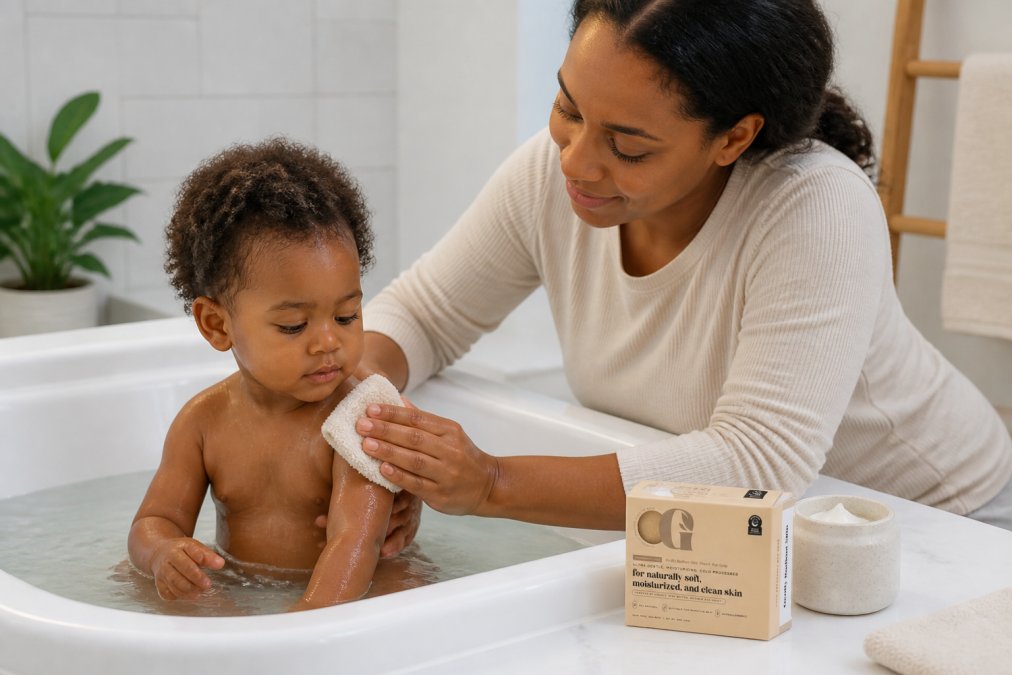
Most parents either over-bathe or under-bathe children with eczema. The goal is to hydrate the skin, not strip it. Bathe in lukewarm water (around body temperature) for no more than 10-15 minutes. Hot water dilates blood vessels and intensifies itching; cold water can cause shock.
Use gentle, fragrance-free bath cleansers only. Conventional soaps disrupt the skin's pH and strip natural oils. Hypoallergenic, soap-free cleansers or products accepted by the National Eczema Association are the appropriate standard. Pat, don't rub, the skin dry with a soft towel. Friction from vigorous drying is enough to trigger a reaction.
The Soak and Seal Routine: Step by Step
The soak and seal method is the single most effective daily practice for managing childhood eczema. Bathing hydrates the skin, and sealing immediately afterward locks that moisture in before it evaporates.
- Bathe in lukewarm water for 10-15 minutes. Use a fragrance-free, hypoallergenic cleanser. Avoid scrubbing.
- Pat the skin gently with a soft towel. Leave the skin slightly damp, not fully dry.
- Apply any prescribed topical medications first. If a dermatologist has prescribed a steroid cream or other topical, apply it to affected areas while the skin is still slightly damp.
- Apply emollient or thick ointment within 3 minutes of stepping out. This is the "seal" step. The window matters: moisture evaporates quickly from compromised skin.
- Use a generous amount. Cover the entire body, not just visibly affected areas.
- Dress in loose, breathable cotton clothing immediately after. This holds the emollient against the skin and prevents rapid evaporation.
Repeat this routine daily, or twice daily during active flare-ups.

| Step | Action | Timing |
|---|---|---|
| 1. Soak | Lukewarm bath with fragrance-free cleanser | 10-15 minutes |
| 2. Pat dry | Soft towel, skin slightly damp | Immediately after bath |
| 3. Medicated topical | Prescribed steroid or treatment cream | Within 1-2 minutes of drying |
| 4. Emollient seal | Thick ointment or moisturizer, full body | Within 3 minutes of drying |
| 5. Dress | Loose-fitting, breathable cotton | Immediately after moisturizing |
How to Soothe Eczema on Children with Moisturizers and Topicals
Moisturizing is the backbone of eczema management. The question isn't whether to moisturize; it's which product and how often.
Choosing the Right Emollient or Ointment
Emollients soften and soothe the skin by filling gaps in the skin barrier. Not all moisturizers qualify. Thin lotions contain high water content and evaporate quickly, often leaving skin drier than before. For eczema, the hierarchy is: ointments first, creams second, lotions last.
Petroleum jelly remains one of the most studied and recommended options for barrier repair. It's fragrance-free, inexpensive, and highly effective at sealing moisture. Thick creams containing colloidal oatmeal, shea butter, or ceramides are also well-regarded.

Avoid anything with fragrance, alcohol, or preservatives like methylisothiazolinone, which are common irritants. Products accepted by the National Eczema Association meet a verified standard for ingredient safety on sensitive skin.
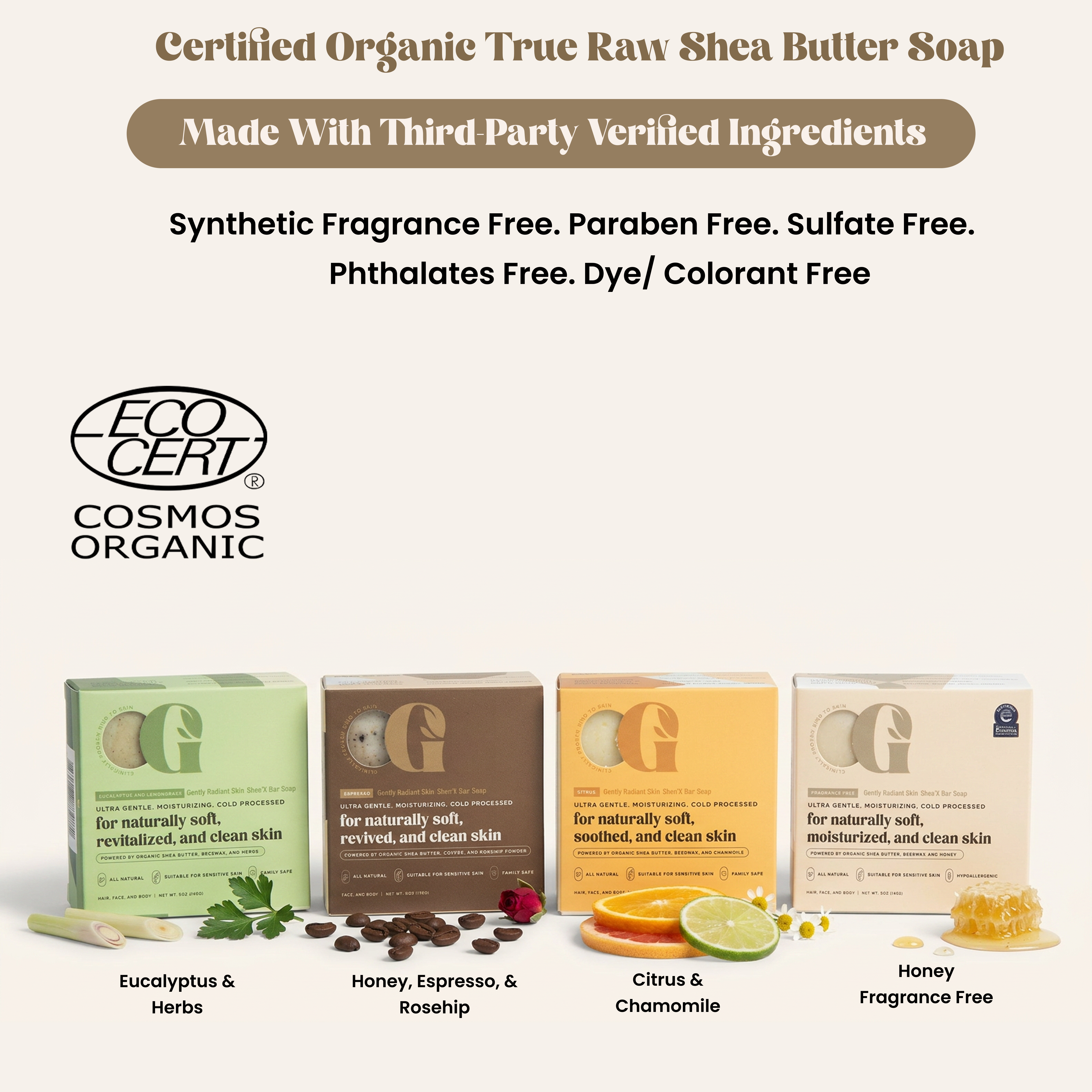
The 5oz SheaX™ Honey Fragrance Free Bar Soap from Gently Radiant Skin is cold-processed with unrefined raw shea butter and carries both National Eczema Association acceptance and pediatrician approval. One customer, Fey E., noted: "The SheaX Fragrance-Free bar helped my daughter's eczema, and I'm genuinely amazed." For the cleansing step of the soak and seal routine, a bar like this replaces harsh conventional soaps that undermine everything else you're doing.
When to Use Hydrocortisone or Topical Steroids
Topical steroids are the most commonly prescribed treatment for eczema flare-ups, and they work. Used correctly, at the right potency and for the right duration, they are safe and effective.
Over-the-counter hydrocortisone (typically 1%) is appropriate for mild flare-ups on the body. Apply a thin layer to affected areas only, not to healthy skin, and use for no more than 7 consecutive days without medical guidance.
For moderate-to-severe eczema, a dermatologist may prescribe higher-potency topical steroids or newer non-steroidal options. Never apply potent steroids to the face, groin, or skin folds without explicit medical instruction.
How to Stop Eczema Itching at Night
Nighttime itching is often the most disruptive symptom of childhood eczema. Skin loses more water at night, body temperature rises during sleep, and the absence of daytime distraction makes itch feel more intense.
Effective strategies combine environmental controls with a pre-bedtime routine:
- Lower the bedroom temperature. A cooler room reduces sweating and overheating.
- Run a humidifier. Dry air accelerates moisture loss from compromised skin.
- Apply a thick emollient immediately before bed. A generous application of ointment or thick cream right before sleep provides hours of barrier protection.
- Use cotton pajamas. Loose-fitting, breathable cotton sleepwear reduces friction and heat buildup.
- Keep fingernails short and clean. Short nails cause less damage when children scratch in their sleep.
- Consider cotton mittens for young children. Soft cotton mittens prevent the worst damage without restricting circulation.
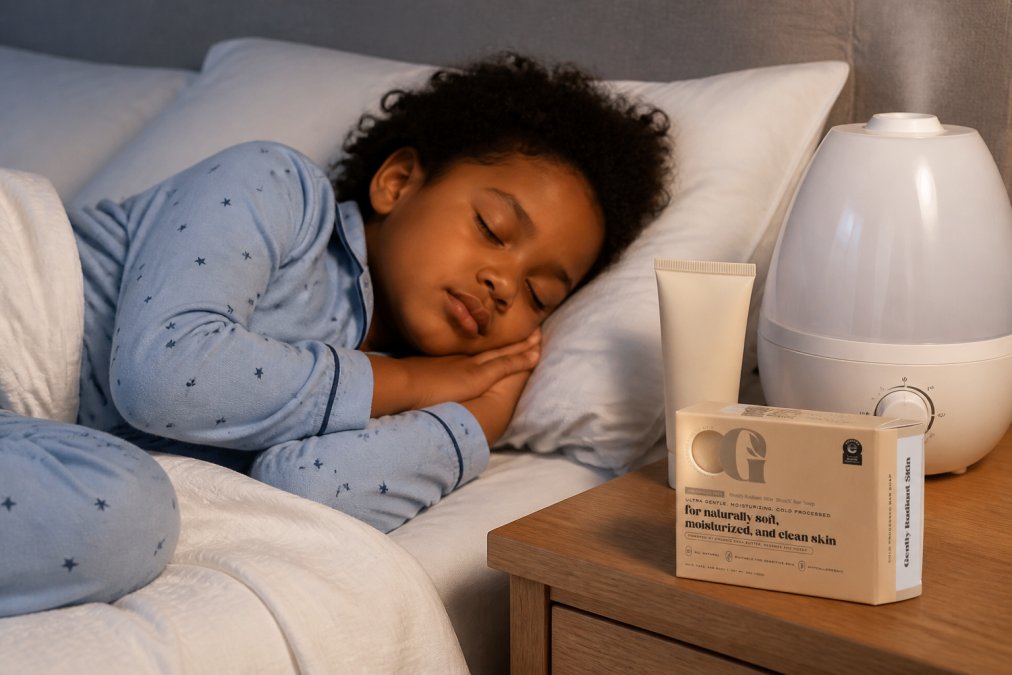
If nighttime itching remains severe despite these measures, speak with a pediatrician.
Managing Eczema at School and Daycare
School and daycare management is one of the most underaddressed aspects of childhood eczema. The child spends hours away from home in an environment you can't fully control.
Communicate with teachers and caregivers. Provide a written care plan explaining what eczema is, the child's specific triggers, and what to do during a flare-up. Many teachers don't know that eczema is not contagious.
Send a small emollient kit. A travel-size fragrance-free moisturizer that the child (or a caregiver for younger children) can apply after handwashing. Frequent handwashing with harsh soaps is a significant trigger during the school day.
Address art supplies and sensory materials. Play dough, craft glues, and finger paints are common classroom irritants. Ask the teacher to notify you before sensory activities so you can apply a barrier cream beforehand.
Manage the heat issue. School gyms and outdoor play can cause sweating that triggers flare-ups. Loose, breathable clothing and access to a cool space after physical activity helps.
For older children: build self-management skills. A child who understands their own triggers and knows how to apply their own moisturizer is less dependent on adult intervention and less likely to feel singled out.
How to Soothe Eczema on Children During a Flare-Up
A flare-up is not a failure of the routine. It's an expected part of atopic dermatitis, and having a clear response plan prevents panic and speeds recovery.
Step 1: Apply a cool compress. A clean cloth soaked in cool water, applied to the affected area for 5-10 minutes, reduces inflammation and provides immediate itch relief.
Step 2: Increase moisturizing frequency. During a flare-up, switch from once-daily to twice-daily soak and seal routines if possible.
Step 3: Use hydrocortisone as directed. If the flare is on the body (not the face), over-the-counter 1% hydrocortisone applied twice daily can reduce inflammation within a few days.
Step 4: Eliminate the likely trigger. Review what changed in the 24-48 hours before the flare. New laundry detergent? A different soap? More time outdoors?
Step 5: Protect from secondary infection. Scratched, cracked skin is vulnerable to bacterial infection, most commonly Staphylococcus aureus. Signs of infection include increased redness, warmth, oozing, or crusting. Contact a pediatrician promptly if you see these signs.
For families managing frequent or severe flare-ups, a dermatologist referral is the right next step. As documented in National Eczema Association's treatment overview, the treatment landscape for atopic dermatitis has advanced considerably, and children who don't respond to first-line treatments have more options than ever.
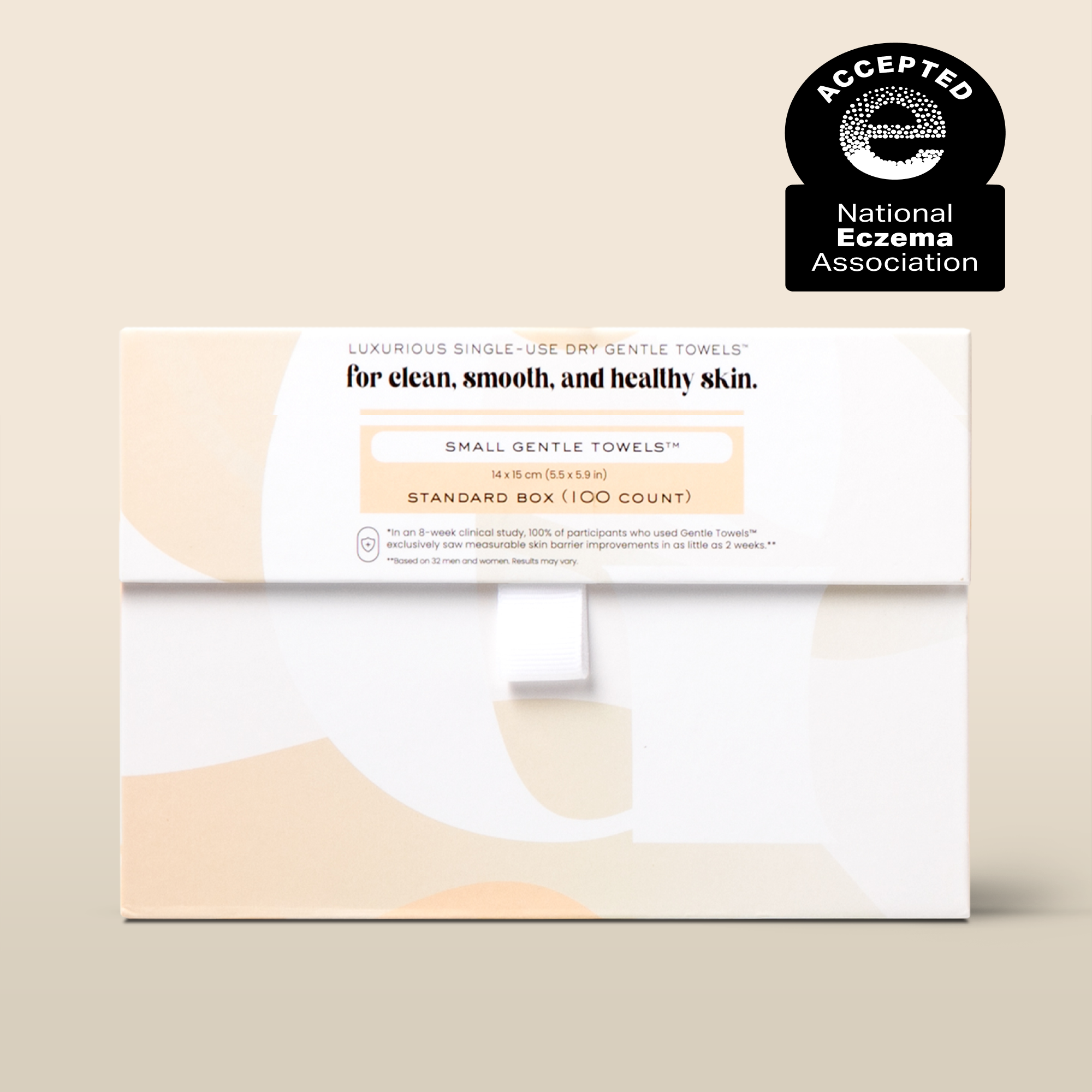
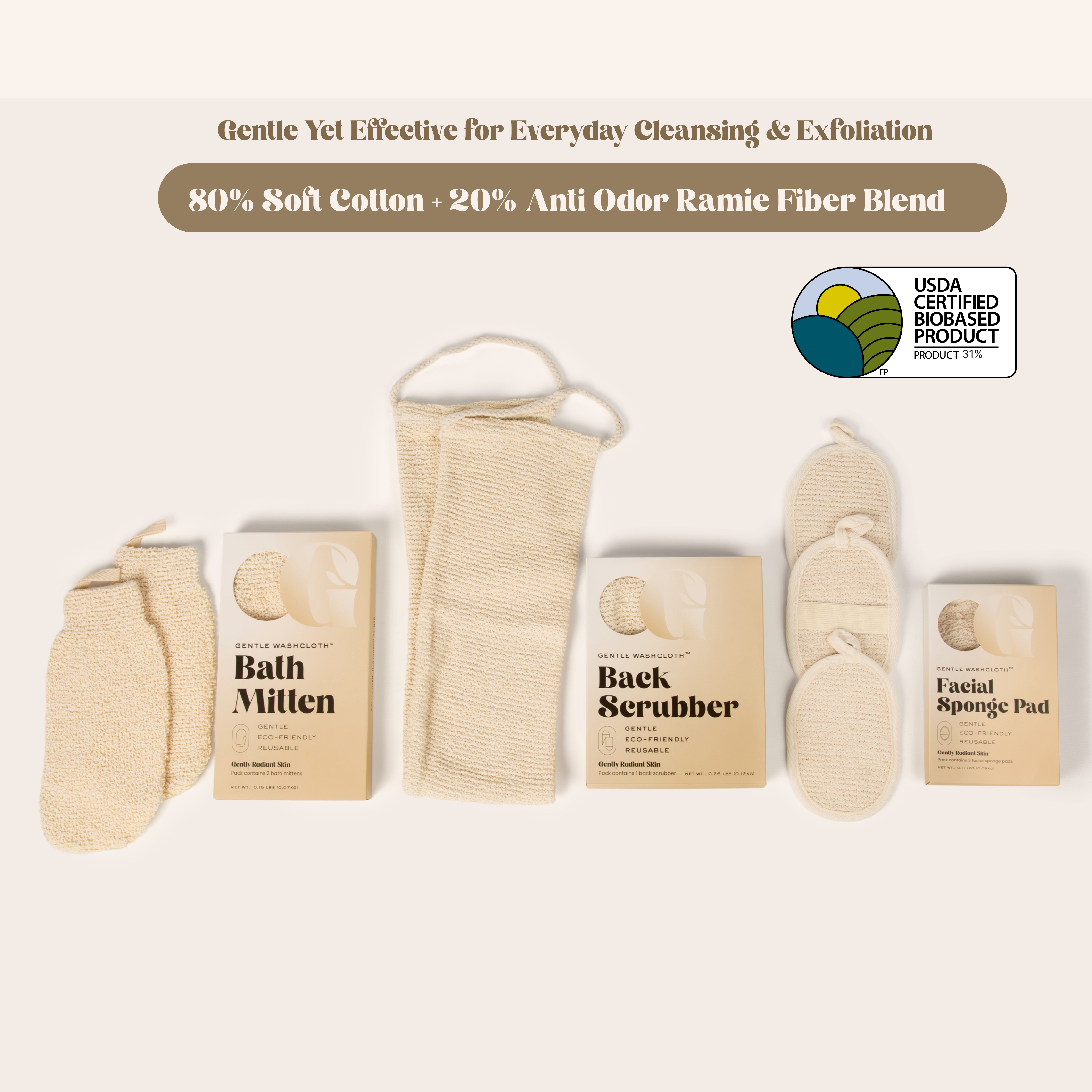
The cleansing step during a flare-up deserves particular attention. Conventional soaps are especially damaging to already-inflamed skin. Gently Radiant Skin's 5oz SheaX™ Honey Fragrance Free Bar Soap is formulated with cold-processed unrefined shea butter specifically to cleanse without stripping the barrier. Pair it with Gentle Towels™, the brand's clinically tested, fragrance-free single-use facial towels, to avoid reintroducing bacteria from a reused washcloth during active flare-ups.

Childhood eczema demands consistency, patience, and the right products at every step of the routine. The soak and seal method, combined with trigger identification and a reliable fragrance-free cleanser, forms the foundation of effective management. Gently Radiant Skin's 5oz SheaX™ Honey Fragrance Free Bar Soap and Gentle Towels™ are pediatrician-approved, National Eczema Association-accepted products designed specifically for this kind of daily care. SHOP SHEAX and build a cleansing routine that genuinely supports your child's skin barrier from the first wash.
Frequently Asked Questions
Q: What is the 3-minute rule for eczema?
A: The 3-minute rule means applying moisturizer within 3 minutes of your child getting out of the bath or shower. At that point, the skin still holds moisture from the water. Sealing it in immediately with a thick ointment or emollient, like petroleum jelly or a fragrance-free cream, helps repair the skin barrier before it dries out. This is the core principle behind the soak and seal routine recommended by most pediatric dermatologists for children with atopic dermatitis.
Q: What are the most common eczema triggers in children?
A: Common eczema triggers in children include fragranced soaps and detergents, rough or synthetic fabrics, sweat, pet dander, dust mites, and dry air. Skin-to-skin contact with irritants like drool or food residue can also cause flare-ups in toddlers. Stress and illness sometimes worsen symptoms too. Keeping a simple trigger diary helps parents spot patterns. Switching to fragrance-free, hypoallergenic cleansers and breathable, loose-fitting cotton clothing removes several triggers at once.
Q: How can I calm my child's eczema flare-up quickly?
A: To soothe eczema on children during a flare-up, apply a cool compress to the affected area for a few minutes to reduce inflammation and interrupt the itch-scratch cycle. Follow immediately with a thick emollient or petroleum jelly. If the skin is very inflamed, a short course of over-the-counter 1% hydrocortisone cream can help reduce redness. Avoid hot water, fragranced products, and scratching. If the skin shows signs of secondary infection, such as weeping or crusting, contact your child's pediatrician.
Q: Are there natural ways to manage eczema without steroids?
A: Yes. Consistent moisturizing with fragrance-free emollients is the most evidence-backed non-steroid approach. Colloidal oatmeal baths can relieve itching and calm inflammation. Using gentle, certified-organic cleansers, like the SheaX Fragrance-Free bar, avoids the irritants that trigger flares. Controlling environmental factors, such as running a humidifier and washing bedding in fragrance-free detergent, also reduces flare frequency. Steroids are sometimes necessary, but many families manage mild-to-moderate eczema effectively through barrier repair and trigger avoidance alone.
This article was written using GrandRanker