


Best Sustainable Cleansing Essentials for Sensitive Skin 2026
Table of Contents
- Why Sustainable Cleansing Matters for Sensitive Skin in 2026
- Quick Comparison: Best Sustainable Cleansing Essentials
- 1. SheaX Honey Fragrance Free Bar Soap: Best for Eczema-Prone Skin
- 2. Gentle Towels: Best for How to Remove Makeup Without Scrubbing
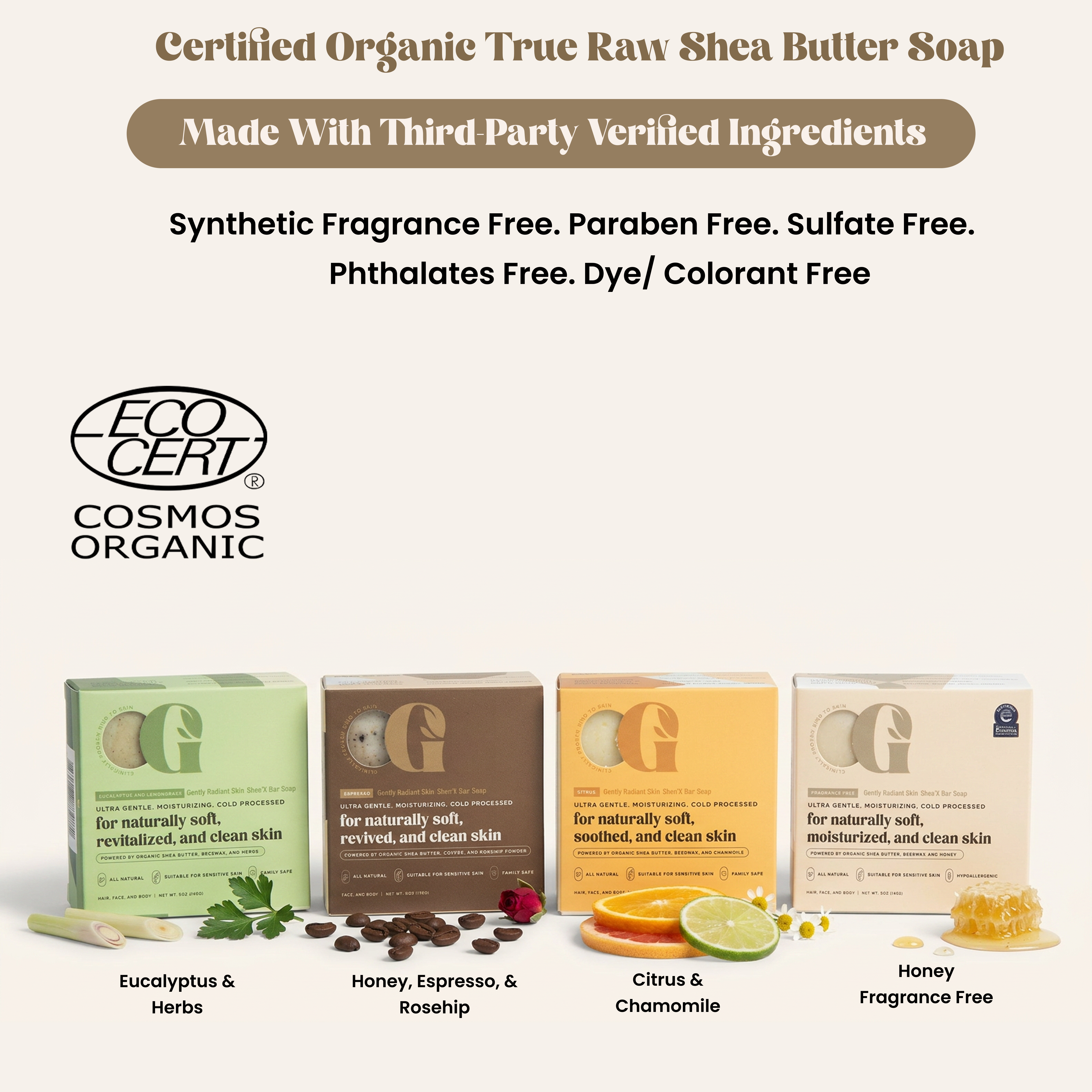
- 3. SheaX Bar Soap: Benefits of Cold-Processed Organic Soap for Reactive Skin
- 4. Gentle Washcloth Collection: Best for Light Exfoliation
- 5. Self-Draining Bamboo Soap Dish: Best for Keeping Bars Dry
- Sustainable Skincare Trends 2026: What to Look For
- Frequently Asked Questions
Last Updated: October 3, 2026
Why Sustainable Cleansing Matters for Sensitive Skin in 2026
The best sustainable cleansing essentials for sensitive skin 2026 are built around one principle: clean the skin without stripping the barrier that protects it. That sounds simple. It is not, because most drugstore cleansers prioritize lather and fragrance over barrier health.
What "sensitive skin" is actually reacting to
Reactive skin is usually a barrier problem, not a personality trait. The outermost layer of skin relies on a mildly acidic film, often called the acid mantle, plus natural oils and ceramides to hold moisture in and keep irritants out.
The most common culprits are predictable:
- Sulfates (look for sodium lauryl sulfate and sodium laureth sulfate), high-lather surfactants that strip oils aggressively.
- Synthetic fragrance and essential oil blends, fragrance is one of the most frequent contact irritants, and "natural" scent is not automatically safer.
- Parabens and harsh preservatives, a concern for some users, and a reason water-free formats are gaining interest.
- High-pH bar soaps, traditional detergent bars can sit well above skin's natural acidity and leave the mantle out of balance.
If your skin stings after washing, or your child's eczema flares within an hour of bath time, the cleanser is often the culprit. The fix is not more products. It is better ones.
Why "sustainable" and "gentle" are the same conversation
The sustainability angle is not decoration here. The formats that are gentlest on reactive skin, cold-processed bars, fragrance-free formulas, water-free or low-water cleansers, also tend to be the formats with the lowest packaging footprint. A bar wrapped in paper avoids the plastic pump bottle entirely, and water-free formulas need fewer preservatives because there is less water for microbes to grow in. Fewer ingredients, fewer preservatives, less packaging: the same restraint solves both problems.
How to read a label in 30 seconds
- Scan for fragrance, parfum, and essential oil blends. If any appear high on the list, put it down.
- Check for sulfates. If lather is the selling point, be suspicious.
- Look for a real certification, USDA Bio-based, National Eczema Association acceptance, dermatologist testing, not a "clean beauty" badge.
- Prefer bar or refillable formats over single-use pumps when the formula suits your skin.
This guide from Gently Radiant Skin covers five cleansing essentials we actually sell, with real prices, honest tradeoffs, and the ingredient logic behind each pick. Below, we explain what makes a cleanser genuinely gentle, and where most "natural" brands fall short.
Quick Comparison: Best Sustainable Cleansing Essentials
Here is the short version. Every product below is fragrance-free or botanically scented, dermatologist and pediatrician approved, and made with certified organic or USDA Bio-based materials.
| Product | Price | Best For | Key Feature |
|---|---|---|---|
| SheaX Honey Fragrance Free Bar Soap | $20.00 | Eczema-prone skin | Accepted by National Eczema Association |
| Gentle Towels | $17.50 | Makeup removal without scrubbing | Clinically tested, improves skin barrier in 2 weeks |
| SheaX Bar Soap | $20.00 | Reactive skin | Cold-processed, certified organic |
| Gentle Washcloth Collection | $50.00 | Light exfoliation | USDA certified biobased cotton and ramie blend |
| Self-Draining Bamboo Soap Dish | $12.00 | Keeping bars dry | Prevents soggy soap and bacterial buildup |
1. SheaX Honey Fragrance Free Bar Soap: Best for Eczema-Prone Skin
This is our top pick for anyone managing eczema or chronically reactive skin. The SheaX Honey Fragrance Free Bar Soap ($20.00) is a cold-processed, unrefined raw shea butter bar with no added fragrance, and it carries acceptance from the National Eczema Association.


What makes it different comes down to what is missing. No synthetic fragrance. No essential oil blend masking a base formula. Just shea butter and purposeful botanicals that cleanse without leaving skin tight.
Emma A., a customer, put it plainly: "This SheaX Chamomile bar is the first soap I've ever used that doesn't have me reaching for lotion the second I step out of the shower."
Pros and Cons
Pros:
- Accepted by the National Eczema Association
- Dermatologist and pediatrician approved
- Fragrance-free and certified organic
- Cold-processed to preserve shea butter's natural emollients
Cons:
- $20.00 per 5oz bar costs more than drugstore soap
- Bar format takes adjustment if you are used to pump cleansers
2. Gentle Towels: Best for How to Remove Makeup Without Scrubbing
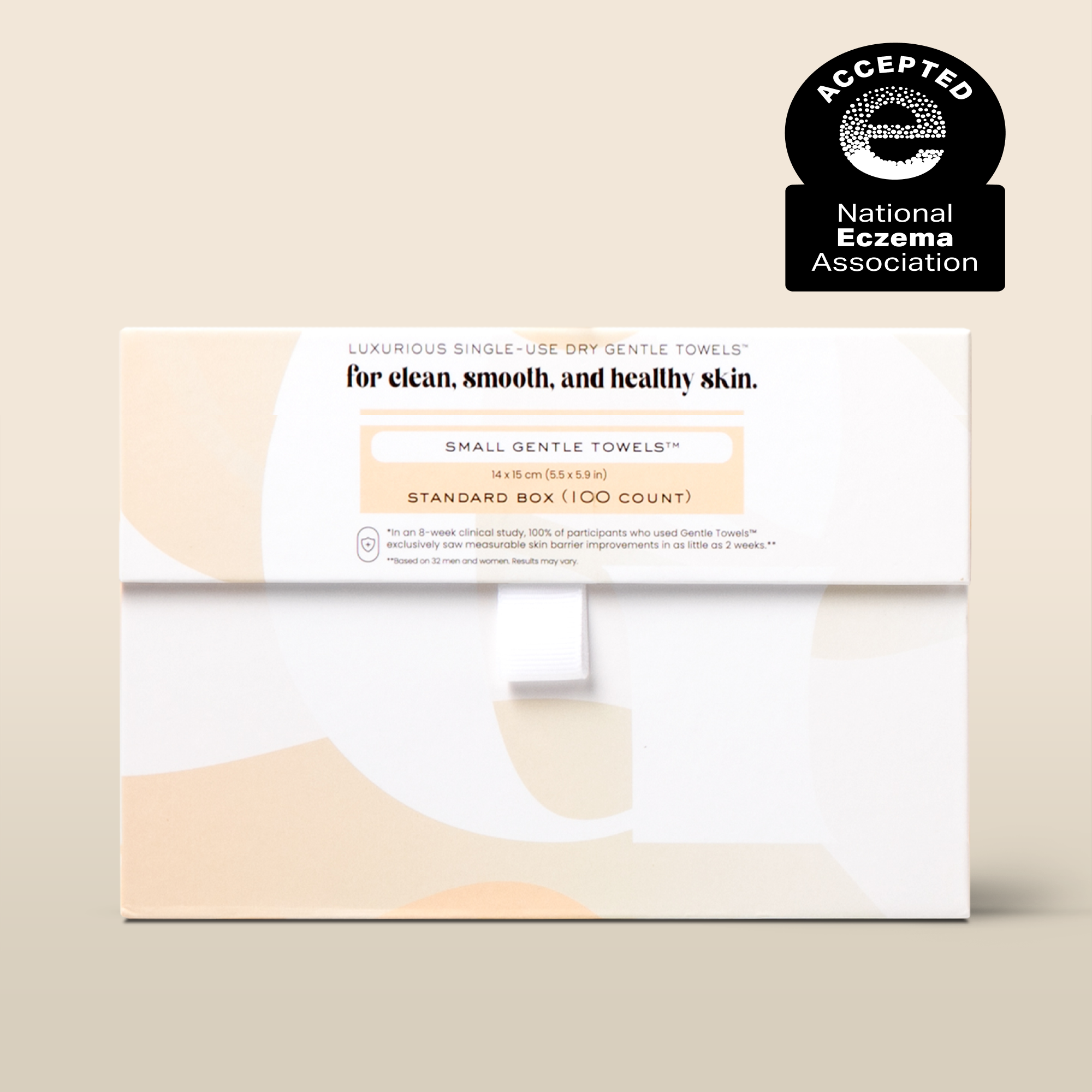
Learning how to remove makeup without scrubbing starts with the tool, not the technique. Gentle Towels ($17.50) are ultra-soft single-use facial towels that work wet or dry, and they are clinically tested to improve skin barrier in 2 weeks and reduce the appearance of blemishes by week 8.

The physics here matter. A textured cotton pad drags across the skin, which is exactly what triggers redness in reactive faces. A soft, saturated towel lifts product away with pressure instead of friction.
Dermatologist and pediatrician approved, fragrance-free, and USDA Bio-based, these towels come in magnetic flap boxes that keep them clean between uses. Mary I. noted: "Gentle Towels are so convenient, and I love that they come in so many sizes."
Pros and Cons
Pros:
- Clinically tested for barrier improvement and blemish reduction
- Works wet or dry, so no separate makeup remover needed
- Fragrance-free and accepted by the National Eczema Association
Cons:
- Single-use format means ongoing repurchase
- Not a replacement for a full cleanse on heavy makeup days
3. SheaX Bar Soap: Benefits of Cold-Processed Organic Soap for Reactive Skin
The benefits of cold-processed organic soap come down to how the bar is made.
The SheaX Bar Soap ($20.00) applies that method to unrefined raw shea butter. It cleanses gently and effectively without compromising comfort, and it is dermatologist and pediatrician approved.
Fey E. bought it for her daughter: "The SheaX Fragrance-Free bar helped my daughter's eczema, and I'm genuinely amazed."
Pros and Cons
Pros:
5oz SheaX™ Honey Fragrance Free Bar Soap →
- Certified organic and cold-processed
- Retains natural glycerin for moisture retention
- Suitable for face and body
Cons:
- Scented varieties contain botanicals that very reactive skin may still notice
- Requires a dry storage spot to last
4. Gentle Washcloth Collection: Best for Light Exfoliation
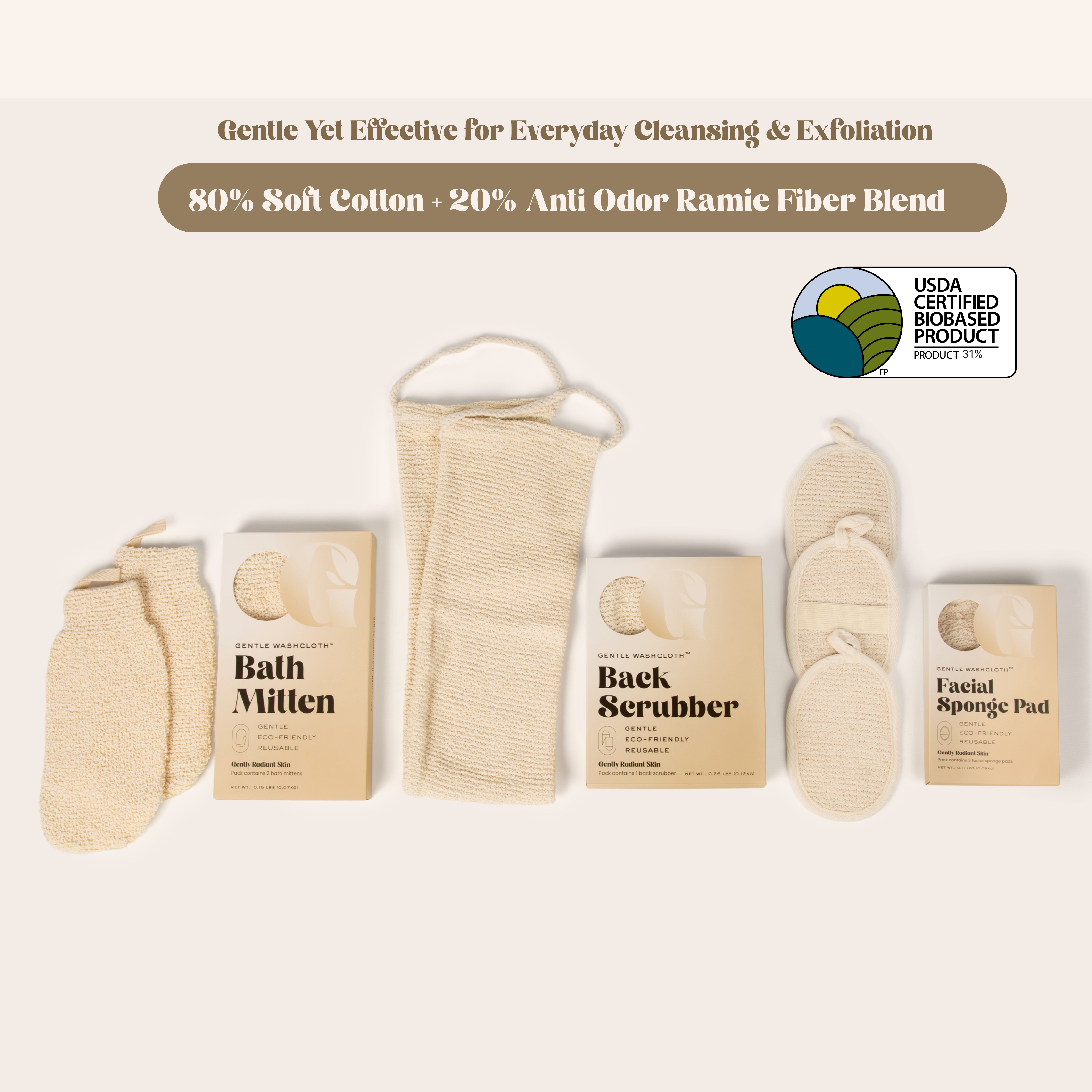
Manual exfoliation does not need acid. The Gentle Washcloth Collection ($50.00) is made from a USDA certified biobased cotton and ramie fiber blend that gives smooth, controlled cleansing and light exfoliation for face and body.
This is the middle path between doing nothing and reaching for a chemical exfoliant.
One caveat worth stating: washcloths need laundering between uses. A damp cloth left in the shower is a bacterial breeding ground, which defeats the purpose for acne-prone skin.
Pros and Cons
Pros:
- USDA Bio-based cotton and ramie blend
- Reusable, so lower ongoing cost than disposables
- Works for both face and body
Cons:
- $50.00 upfront is the highest price on this list
- Needs regular washing to stay hygienic
5. Self-Draining Bamboo Soap Dish: Best for Keeping Bars Dry
A soap dish is the least glamorous item here and possibly the most important. The Self-Draining Bamboo Soap Dish ($12.00) keeps your cleansing bars dry between uses, which protects both the bar and your countertop.
Here is the part most people miss: a bar that stays wet never fully dries, and a soft, dissolving bar cleans less effectively while harboring more surface bacteria. Draining design solves that in one step.
Pros and Cons
Pros:
- Keeps bars firm and long-lasting
- Simple, low-cost addition to any routine
- Reduces mess on bathroom surfaces
Cons:
- Only useful if you use bar soap
- Requires occasional cleaning itself
Sustainable Skincare Trends 2026: What to Look For
Sustainable skincare trends 2026 are moving past the word "natural" and toward verifiable claims and defined end-of-life outcomes. The shift matters because "natural" has never been regulated in any meaningful way, while certifications and packaging categories are.
Define "sustainable" before you buy it
Most articles use "sustainable" as a mood. It is actually three different things, and they are not interchangeable:
- Refillable, the primary container is designed to be reused many times, and you buy a lower-waste refill pod or pouch. Best waste reduction per use, but only if you actually refill it.
- Recyclable, the package can re-enter a recycling stream, but acceptance varies widely by municipality, and small pumps and caps are frequently rejected by curbside programs.
- Compostable, the material breaks down in a controlled composting environment. "Home compostable" and "industrially compostable" are different claims, and most people do not have access to industrial composting.
A paper-wrapped bar of soap sidesteps all three debates because there is no plastic pump bottle to manage. That is why bar format keeps winning the sustainability comparison for cleansing specifically.
Certifications that require review
Look for third-party validation rather than marketing language. USDA Bio-based certification, National Eczema Association acceptance, and dermatologist testing all require actual review. Terms like "clean beauty" and "eco-friendly" do not. For a deeper look at how regulators evaluate environmental marketing claims, the Federal Trade Commission Green Guides set the standard for what companies can legally claim.
The pH and microbiome angle most guides skip
Two technical trends are separating serious 2026 guides from generic listicles:
- pH-balanced cleansing. Healthy skin sits in a mildly acidic range, and the acid mantle that keeps irritants out and moisture in depends on it. Traditional bar soaps can run alkaline and disrupt that balance, which is why sensitive-skin users often feel tight or stinging after washing. Cold-processed bars made with unrefined shea butter and retained glycerin tend to be gentler on the mantle than high-lather detergent bars.
- Microbiome-friendly formulas. "Natural" is a sourcing claim; "microbiome-safe" is a functional one. Fragrance-free, low-surfactant, preservative-conscious formulas are less likely to disturb the skin's resident bacteria, a major reason fragrance-free bars and water-free or low-water formats are gaining ground.
What this means for your routine
Buy fewer products, choose ones with real certifications, and store them properly. A dry bar on a draining dish lasts longer, cleans better, and grows less surface bacteria than a wet one, which is sustainability and skin health in the same move. That combination does more for both your skin and your footprint than any single "green" purchase.
Frequently Asked Questions
What is the best cleanser for extremely sensitive skin?
The best cleanser for extremely sensitive skin is one that is fragrance-free, sulfate-free, and formulated to support the skin barrier. Look for products accepted by the National Eczema Association and clinically tested for sensitive skin. A cold-processed, organic bar soap like SheaX Honey Fragrance Free Bar Soap cleanses without stripping moisture, making it a strong choice for reactive skin.
How can I remove makeup without scrubbing my sensitive skin?
To remove makeup without scrubbing, use a soft, single-use facial towel like Gentle Towels. Wet the towel with lukewarm water and gently press it against your face for a few seconds to soften makeup and sunscreen. Wipe downward in one smooth motion. The ultra-soft fibers lift residue without friction, and the towels are clinically tested to improve skin barrier in 2 weeks.
What are the benefits of cold-processed organic soap for sensitive skin?
Cold-processed organic soap retains natural glycerin, a humectant that helps skin hold moisture. This method also preserves the integrity of unrefined shea butter and botanical extracts, which soothe irritation and support the skin barrier. For sensitive skin, cold-processed bars are less likely to cause redness or tightness after washing compared to mass-produced, heat-processed soaps.
Are sustainable skincare products really better for sensitive skin?
Sustainable skincare often avoids harsh sulfates, parabens, and synthetic fragrances that can trigger irritation. Many eco-friendly brands also use USDA Bio-based or certified organic ingredients and plastic-free packaging, reducing exposure to potential irritants. However, sustainability alone does not guarantee gentleness. Always check for dermatologist-tested and fragrance-free labels, and patch-test new products.
What are the new skincare trends expected in 2026?
In 2026, expect more focus on microbiome-friendly certifications, water-free (anhydrous) cleansing formats, and transparent lifecycle analysis for packaging. Consumers are asking for proof of sustainability, not just claims. pH-balanced cleansing science is also gaining attention, with brands highlighting how their products respect the skin's acid mantle to prevent irritation and support moisture retention.