


Buy Organic Shea Butter Soap: 2026 Review Guide
Table of Contents
- Why Organic Shea Butter Soap Works for Reactive Skin
- The Best Organic Soap for Sensitive Skin: What to Look For
- Benefits of Cold-Processed Soap You Can Actually Feel
- Organic Soap Ingredients to Avoid
- Comparing SheaX Bars: Which One Fits Your Skin
- How to Buy Organic Shea Butter Soap Without Wasting Money
- Frequently Asked Questions
Last Updated: September 10, 2026
Why Organic Shea Butter Soap Works for Reactive Skin
If you want to buy organic shea butter soap that actually calms reactive skin rather than aggravating it, the answer comes down to two things: what the bar is made of, and how it was processed. This guide from Gently Radiant Skin covers both, so you can shop with a clear checklist instead of marketing copy.
Organic shea butter soap is a cleansing bar made with certified organic shea butter as a primary emollient, typically produced through cold-process saponification rather than industrial heat-and-extract methods. The distinction matters because shea butter's fatty acid profile, rich in oleic and stearic acids, is what supports the skin barrier during cleansing.
Most commercial bars strip that barrier. A common mistake is assuming "gentle" on a label means fragrance-free or sulfate-free. It often doesn't.
Below, we'll show you exactly what separates a supportive bar from an irritating one, and how the SheaX lineup fits different skin needs.

What Unrefined Shea Butter Does for the Skin Barrier
Unrefined shea butter retains its natural vitamins and fatty acids because it isn't bleached or deodorized. Those compounds act as emollients, meaning they soften and condition the skin while helping it hold moisture.
In practice, this means less of that tight, squeaky feeling after washing. The American Academy of Dermatology guidance on dry skin notes that emollient-rich cleansers help support the skin barrier, which is exactly what reactive skin needs.
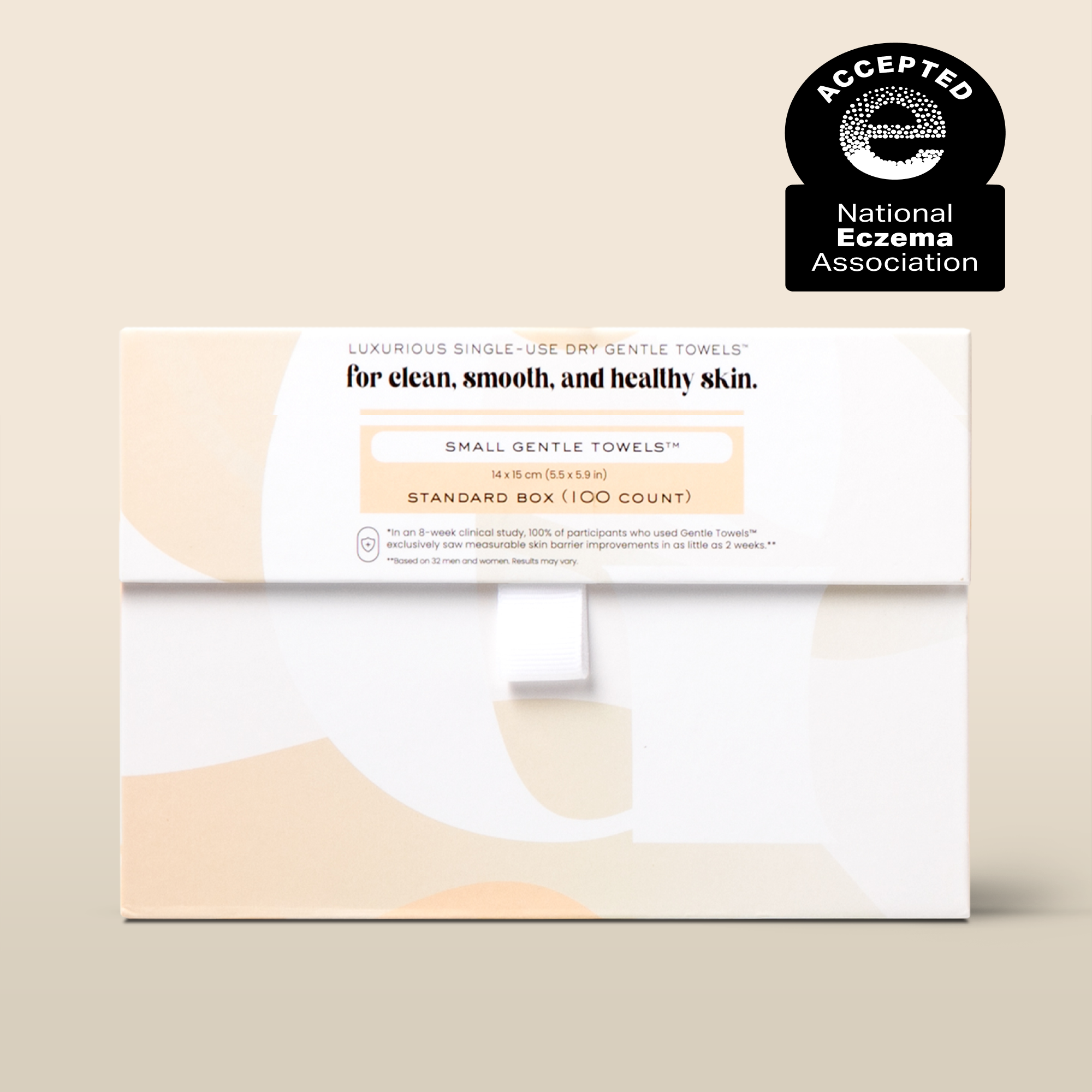
The National Eczema Association reviews products against criteria for sensitive skin, and several SheaX bars carry that acceptance.
Refined vs. Unrefined Shea Butter in Bar Soap
Refined shea butter is filtered and deodorized, producing a uniform white bar with a neutral scent. Unrefined shea butter keeps its natural color and a faint nutty aroma, along with more of its beneficial compounds.
For reactive skin, unrefined is generally the better choice. The tradeoff is a shorter, more variable shelf life and a bar that looks less "perfect."
The Best Organic Soap for Sensitive Skin: What to Look For
The best organic soap for sensitive skin is fragrance-free, sulfate-free, paraben-free, and phthalate-free, with a short ingredient list and no synthetic dyes. Everything else is secondary.
Use this checklist before you buy:
- "Fragrance" or "parfum" absent from the ingredient list
- No sodium lauryl sulfate or sodium laureth sulfate
- Shea butter listed near the top, not at the end
- No synthetic colorants (look for "CI" followed by numbers)
- Third-party acceptance, such as National Eczema Association review
- Cold-process or triple-milled construction, not melt-and-pour
Benefits of Cold-Processed Soap You Can Actually Feel
Cold-processed soap is made by mixing oils and lye at low temperatures and letting saponification complete over weeks rather than hours. The slower cure preserves more of the naturally occurring glycerin, a humectant that draws moisture to the skin.
That glycerin is the reason a cold-process bar feels different. It cleanses without the immediate tightness that sends you reaching for lotion.
A common mistake is judging a bar by its lather. Rich lather is a cosmetic preference, not a sign of cleaning power. Some of the gentlest cold-process bars produce a modest, creamy foam.
Organic Soap Ingredients to Avoid
Certain ingredients show up in "natural" bars and still cause problems for reactive skin. Knowing which ones to skip saves you money and flare-ups.
The main offenders:
- Synthetic fragrance. The most common trigger for contact irritation in cleansers.
- Sulfates. Effective degreasers that can leave the skin barrier depleted.
- Parabens and phthalates. Preservatives and plasticizers many shoppers choose to avoid.
- Palm oil from unclear sources. Not an irritant, but a sustainability concern.
- Synthetic dyes. Added purely for appearance.
- Harsh exfoliants. Ground nutshells and coarse salts can micro-abrade sensitive skin.
Comparing SheaX Bars: Which One Fits Your Skin
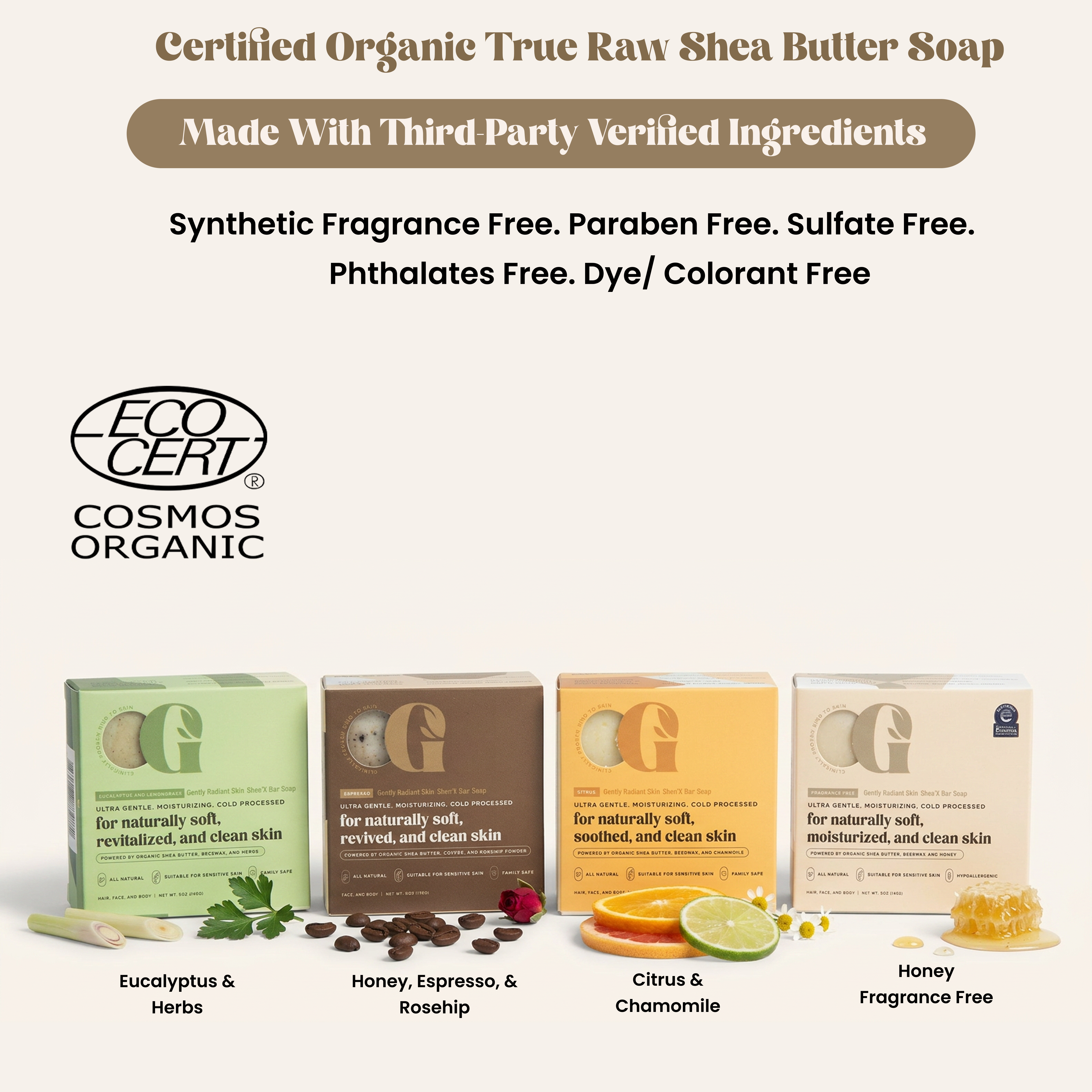
Gently Radiant Skin built the SheaX line around a single base formula (extra gentle, cold-process, unrefined raw shea butter) and then varied the botanicals. That means the choice is really about scent preference and specific skin goals, not about finding the "gentlest" bar. They're all built to the same standard.
Every 5oz bar is $20.00, certified organic, dermatologist and pediatrician approved, and made with purposeful botanicals.
Fragrance-Free vs. Botanical Scent Options
If you're buying for eczema or a child with reactive skin, start with the SheaX Honey Fragrance Free Bar Soap ($20.00). It's accepted by the National Eczema Association and carries no added scent at all.

If scent is fine for your skin, the botanical options each bring something different:
| Bar | Scent Profile | Best For |
|---|---|---|
| Honey Fragrance Free | None | Eczema, babies, reactive skin |
| Citrus & Chamomile | Light, calming | Sensitive skin that tolerates scent |
| Eucalyptus & Herbs | Fresh, herbal | Morning cleansing |
| Dead Sea Salt | Neutral, mineral | Blemish-prone skin |
| Sea Buckthorn + Licorice | Mild, earthy | Uneven skin tone |
| Honey Espresso Rosehip | Warm, rich | Dry, dull skin |
Bulk Packs, Pricing, and Storage
A single 5oz bar is $20.00. The 2-pack is $38.00 and the 4-pack is $72.00, which brings the per-bar cost down as you buy more.
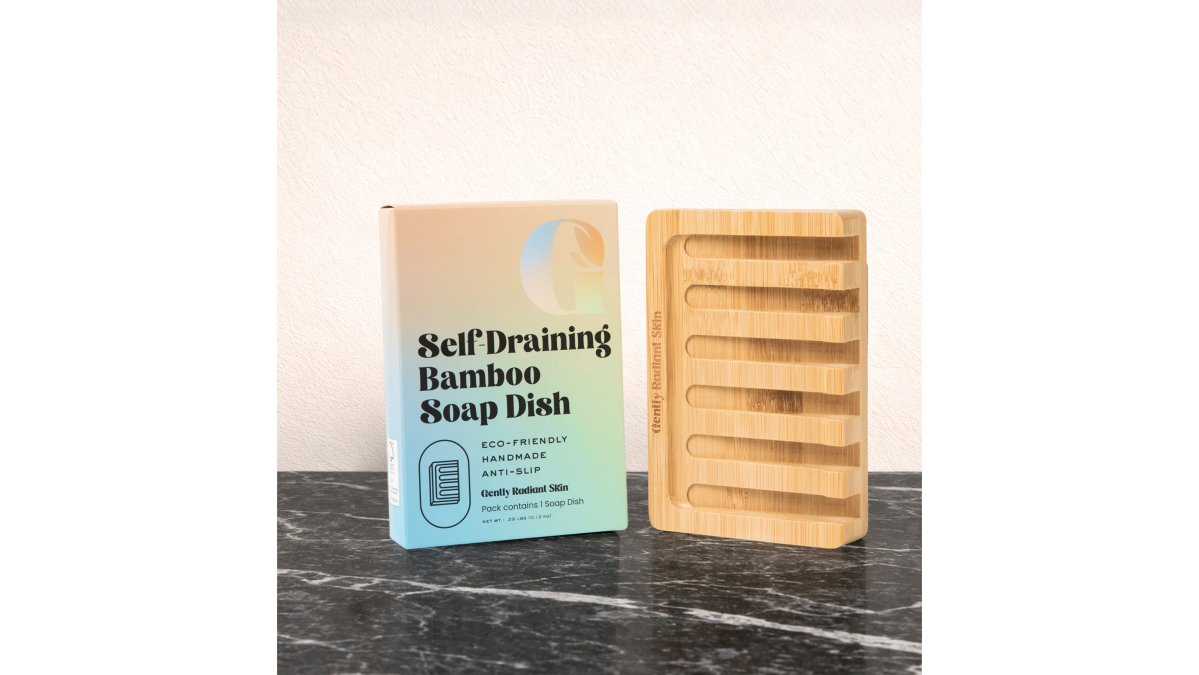
Store unused bars somewhere dry and out of direct sun. Shea butter soap keeps well for months when it isn't sitting in a puddle, and a self-draining dish ($12.00) solves the soggy-bottom problem that shortens any bar's life.
How to Buy Organic Shea Butter Soap Without Wasting Money
Buying well is mostly about matching the bar to the skin, then buying in the quantity you'll actually use. Here's a practical order of operations:
- Start with one fragrance-free bar to test tolerance.
- If it works, move to a 2-pack or 4-pack for the per-bar savings.
- Add a draining dish so bars last their full life.
- Keep one bar per sink; cross-contamination between hands and face isn't worth the risk.
- Replace when the bar gets thin, not when it crumbles.
For families with mixed skin types, one fragrance-free bar for the reactive members and a scented bar for everyone else usually covers it. You don't need a separate product for each person.
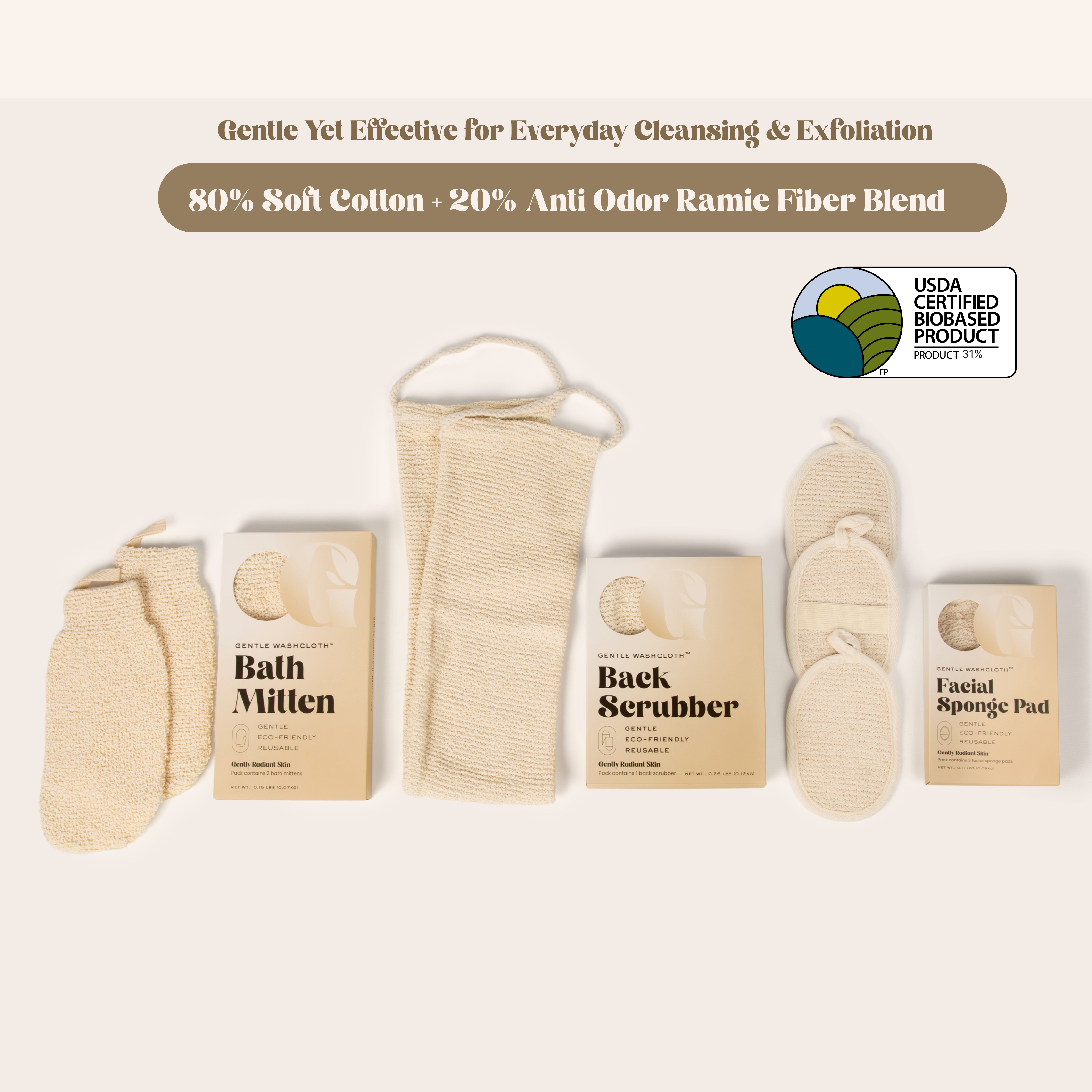
The FDA guidance on cosmetic labeling is worth a read if you want to decode ingredient lists yourself. And for sustainability claims, the USDA BioPreferred program explains what "bio-based" certification actually verifies, which is a useful filter against vague green marketing.
Shopping for organic shea butter soap for reactive skin is a test of patience, because most bars that look gentle aren't. Gently Radiant Skin makes the choice simpler: every SheaX bar is cold-processed, made with unrefined raw shea butter, certified organic, and approved by both dermatologists and pediatricians. The Honey Fragrance Free bar carries National Eczema Association acceptance, and the full line covers everything from blemish-prone skin to dry, dull texture. Get started with Gently Radiant Skin and give your skin a cleanser that supports its barrier instead of fighting it.
Frequently Asked Questions
What is the best shea butter soap for sensitive skin?
Look for a cold-process bar made with unrefined shea butter and no added fragrance. The SheaX Honey Fragrance Free Bar is accepted by the National Eczema Association and is dermatologist and pediatrician approved, which matters if you or your child reacts to scented products. Check the label for certified organic shea butter as the first or second ingredient, and avoid bars listing synthetic fragrance, sulfates, or parabens.
Is organic shea butter soap better than mass-produced bar soap?
Mass-produced bars often use heat processing that strips many of the fatty acids and vitamins naturally present in shea butter. Cold-process organic shea butter soap keeps more of those emollient properties intact, so it cleans without leaving skin tight or needing immediate lotion. The trade-off is price: a 5oz SheaX bar runs $20.00 versus a few dollars for a drugstore bar, but it lasts longer and does more for dry, reactive skin.
What ingredients should you avoid when buying organic soap?
Skip bars with synthetic fragrance, phthalates, parabens, sulfates (like sodium lauryl sulfate), and non-GMO or organic claims that aren't backed by certification. Fragrance is the most common trigger for reactive skin, so fragrance-free formulas are safer for eczema-prone users. Also watch for palm oil that isn't sustainably sourced and dyes added purely for color, since these add no cleansing benefit.
Does shea butter soap help with eczema or dry skin conditions?
Shea butter is rich in oleic and stearic fatty acids that support the skin barrier, so it can reduce moisture loss after washing. One customer, Fey E., reported that the SheaX Fragrance-Free bar helped her daughter's eczema. It isn't a treatment for eczema, but a gentle, fragrance-free organic shea butter soap removes the irritation that harsh cleansers and synthetic fragrance can cause, which makes flare-ups easier to manage.
How can you tell if a shea butter soap is truly organic?
Look for third-party certification on the packaging, not just the word organic in the product name. USDA Certified Organic and USDA Bio-based labels mean an independent body verified the ingredients. Gently Radiant Skin's SheaX bars carry Certified Organic and USDA Bio-based credentials, plus dermatologist and pediatrician approval. If a brand can't show certification, treat the organic claim as marketing until proven otherwise.