


Buy Fragrance Free Organic Soap Online: 2026 Guide
Table of Contents
- Why Your Skin Reacts to 'Fragrance-Free' Drugstore Soaps
- How to Identify Hidden Fragrances in Soap Labels
- The Benefits of Organic Shea Butter Soap for Reactive Skin
- Our Pick for the Best Organic Soap for Sensitive Skin
- What You Are Paying For: Organic Certifications and Testing
- Cold-Processed vs. Mass-Produced: Why Process Matters
- Final Verdict: Where to Buy Fragrance Free Organic Soap Online
- Frequently Asked Questions
Last Updated: September 6, 2026
The label says "fragrance-free," yet your skin still flares up within hours of use. You are not imagining it, and you are not alone. Many people with reactive skin discover that the term "fragrance-free" on drugstore soap labels is often misleading, hiding synthetic masking agents and botanical extracts that trigger irritation. This guide from Gently Radiant Skin explains what to look for when you buy fragrance free organic soap online, so you can finally find a bar that cleanses without compromise.

The core problem is that "fragrance-free" is not a regulated term in the same way "organic" is. A product can legally call itself fragrance-free while still containing ingredients derived from fragrant plants, like essential oils or botanical extracts, which are common culprits for skin irritation. For anyone with eczema, dermatitis, or simply sensitive skin, understanding this distinction is the first step toward finding a soap that actually works.
Below, we'll break down how to read labels like a pro, what organic certifications mean, and why the cold-processed method matters for your skin barrier. We'll also share our top pick for the best organic soap for sensitive skin, backed by dermatologist and pediatrician approval.
Why Your Skin Reacts to 'Fragrance-Free' Drugstore Soaps
Most conventional soaps strip the skin's natural lipid barrier, leaving it vulnerable and reactive. When a soap uses harsh sulfates and synthetic detergents, it removes the oils your skin needs to protect itself, which can lead to dryness, tightness, and increased sensitivity over time. A truly gentle cleanser should maintain the skin barrier, not compromise it.
The hidden issue is often what replaces the fragrance. To achieve a pleasant scent without listing "fragrance" on the label, manufacturers frequently use masking agents or naturally derived aromatic compounds. These can include essential oils, which, while natural, are potent allergens for many people. The American Academy of Dermatology's guidance on sensitive skin notes that even products labeled for sensitive skin can contain botanical extracts that cause reactions in some individuals.
A common mistake is assuming that "chemical-free" or "natural" automatically means non-irritating. Poison ivy is natural, after all. The real difference lies in how the soap is made and whether it relies on saponified oils and glycerin, which are gentle, or on synthetic surfactants and artificial dyes that can disrupt the skin's pH balance.
How to Identify Hidden Fragrances in Soap Labels
Scanning the ingredient list for the word "fragrance" is not enough. You need to look for the chemical and botanical names that function as scents. The most common offenders are Limonene, Linalool, Citral, and Geraniol, which are often derived from citrus peels and flowers to provide a fresh scent.
Beyond those, watch for any ingredient ending in "-ol" that sounds like an alcohol but is actually an aromatic compound. Also be wary of "parfum" (the French word for fragrance) and "aroma." If you are looking to buy fragrance free organic soap online, the label should list every single ingredient in plain English, with no hidden umbrella terms.
Ingredient Glossary: What Each Term Actually Means
To navigate labels with confidence, keep this quick reference in mind:
- Saponified oils: The result of mixing oils (like olive, coconut, or shea) with lye. This is the actual soap; it is naturally cleansing and moisturizing.
- Glycerin: A humectant produced during the saponification process that draws moisture to the skin. Mass-produced soaps often remove it to sell separately.
- Essential oils: Volatile plant extracts that provide fragrance. They are common allergens and are not the same as "fragrance-free" carrier oils.
- Fragrance/Parfum: A catch-all term for a mixture of synthetic chemicals, often including phthalates. A truly fragrance-free soap will not list this.
- Artificial dyes: Synthetic colorants (like FD&C Red 40) used to make soap look appealing. They offer no skin benefit and are a common irritant.
- Synthetic fragrance: A lab-created scent that is not derived from natural sources. It is the most common cause of allergic contact dermatitis in cosmetics.
The goal is to find a product that is plant-based, paraben-free, sulfate-free, and phthalate-free, with a short list of recognizable ingredients. For a deeper look at how to evaluate these claims, the Environmental Working Group's Skin Deep database is a helpful resource for cross-referencing specific ingredients against scientific research.
The Benefits of Organic Shea Butter Soap for Reactive Skin
Organic shea butter stands apart from other moisturizing agents because of its high concentration of unsaponifiable fats. These fats, which include vitamins A and E, are not converted into soap during the process, meaning they remain in the final bar to nourish the skin. This is why a well-made shea butter soap leaves your skin feeling soft and comfortable without needing immediate lotion.
For reactive skin, the benefits of organic shea butter soap are specific. It is naturally anti-inflammatory, which helps calm the redness associated with eczema and dermatitis. It also contains cinnamic acid, a compound that helps protect the skin from environmental damage. When combined with the gentle cleansing action of cold-processed soap, it supports the skin barrier rather than stripping it.
Many customers with chronic sensitivity find that switching to a pure, unscented shea butter bar is the single most effective change they can make. As one Gently Radiant Skin customer, Fey E., shared, "The SheaX Fragrance-Free bar helped my daughter's eczema, and I'm genuinely amazed." The key is ensuring the shea butter is unrefined and raw, as refining processes can remove the very compounds that make it so beneficial.
Our Pick for the Best Organic Soap for Sensitive Skin
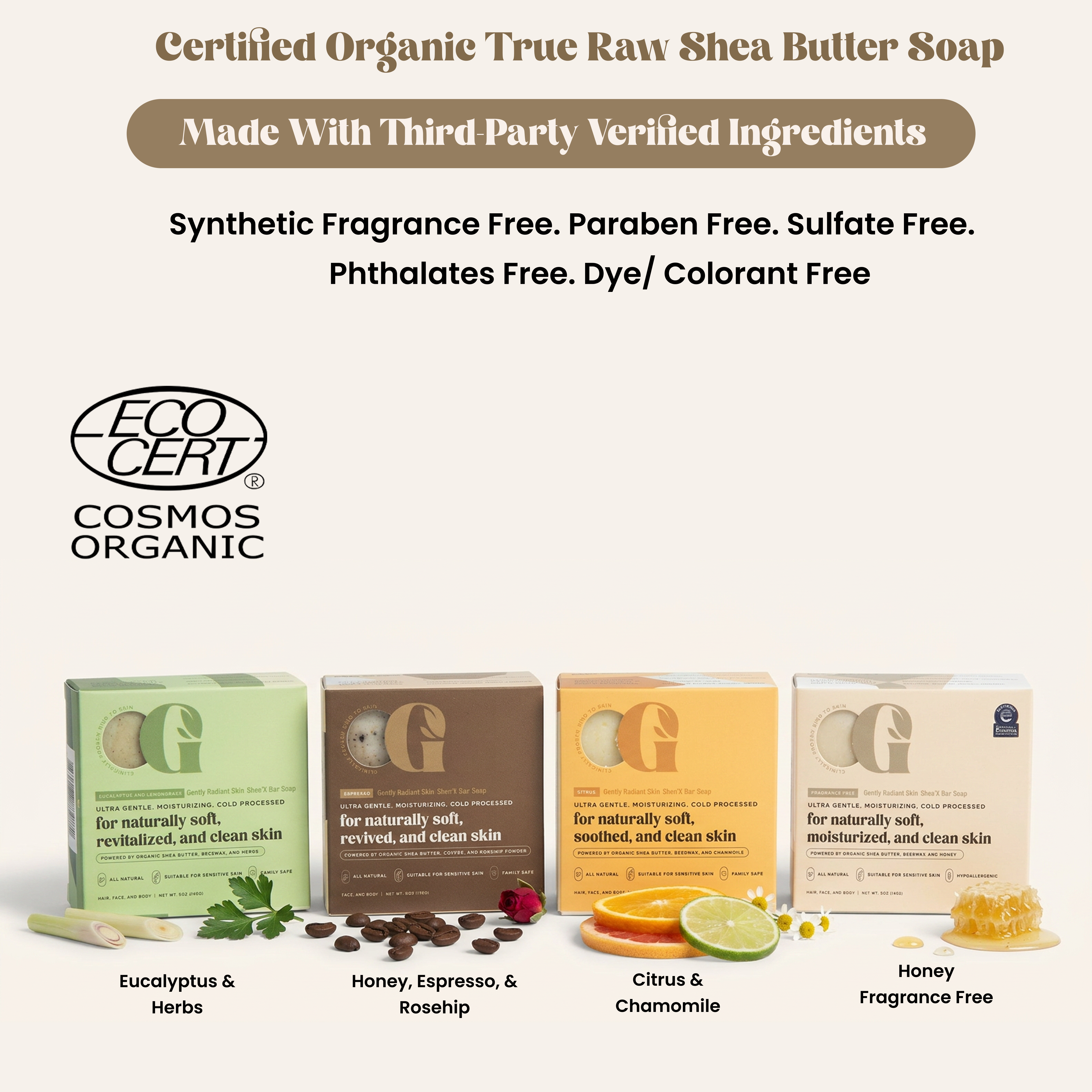
After evaluating dozens of bars for ingredient purity, processing method, and clinical backing, our top pick for the best organic soap for sensitive skin is the 5oz SheaX™ Bar Soap from Gently Radiant Skin. It earns this spot because it is a cold-processed, certified organic bar that relies on unrefined raw shea butter, and it carries the acceptance of the National Eczema Association, a distinction very few soaps achieve.

What makes this bar different is its dual certification. It is Dermatologist and Pediatrician approved, meaning it has been reviewed for safety on both adult and children's skin, which is critical for families managing eczema. It is also certified organic and uses USDA Bio-based ingredients, confirming that the oils and butters are grown without synthetic pesticides. This matters because your skin absorbs what you put on it, and a certified organic bar ensures you are not washing with trace amounts of agricultural chemicals.
SheaX™ Fragrance-Free Bar Soap: Review and Verdict
The SheaX bar is engineered for comfort. It is made with saponified oils of shea butter and coconut, which create a rich, creamy lather that cleanses without the squeaky-tight feeling associated with drugstore soaps. The bar is available in both a plain version and a Honey variant, which adds the natural humectant properties of honey for extra moisture retention.
Here is how the options stack up for different needs:
| Product | Price | Best For | Key Feature |
|---|---|---|---|
| 5oz SheaX™ Bar Soap | $20.00 | Single-user, all skin types | Original certified organic formula |
| 5oz SheaX™ Honey Fragrance Free Bar Soap | $20.00 | Extra dry or eczema-prone skin | Adds honey for enhanced moisture |
| 5oz SheaX™ Bar Soap - 2 Pack | $38.00 | Couples or dual bathrooms | |
| 5oz SheaX™ Bar Soap - 4 Pack | $72.00 | Families with multiple skin types | |
| Self-Draining Bamboo Soap Dish | $12.00 | Extending bar longevity | Keeps bar dry between uses |
Our verdict is that the SheaX bar is the best choice for anyone who has tried "gentle" cleansers and still experienced flare-ups. It provides a soft, comfortable feel without needing immediate lotion, and its clinically tested formula is designed to improve the skin barrier in as little as two weeks. For families, the 4-pack is the most economical way to ensure everyone has access to a bar that works, regardless of whether they deal with eczema, acne, or just general sensitivity. You can find the full SheaX bar soap collection here.
What You Are Paying For: Organic Certifications and Testing
A $20 bar of soap seems expensive next to a $2 drugstore bar, but the difference is not just markup. When you pay for a certified organic soap, you are funding a supply chain that avoids synthetic pesticides and fertilizers, which is better for your skin and the planet. The USDA Organic certification standards require that 95% of the ingredients are certified organic, and the remaining 5% must be non-agricultural substances on an approved list.
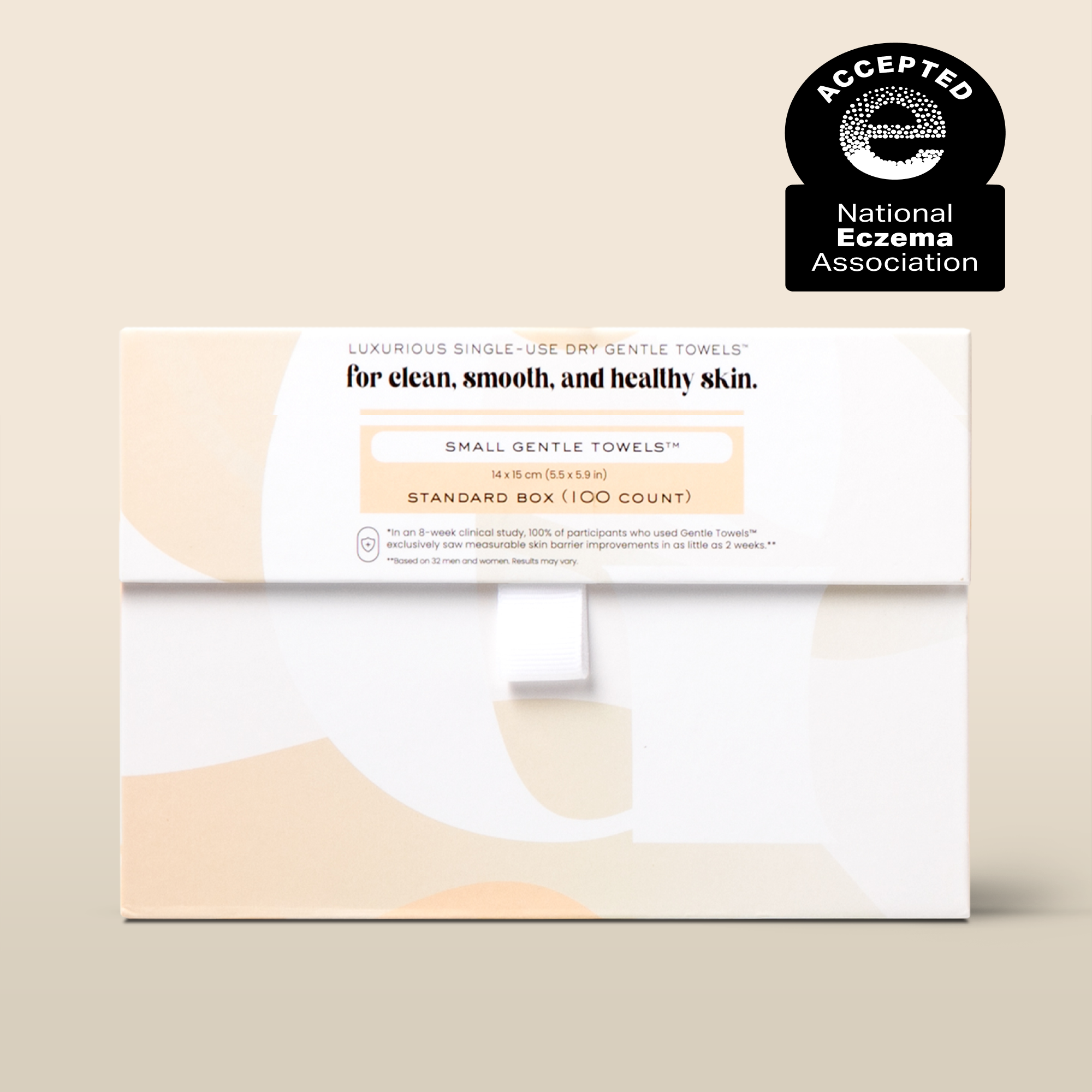
You are also paying for clinical testing and dermatologist oversight. The National Eczema Association's acceptance program requires that products pass rigorous review for safety and ingredient transparency. This is not a marketing badge; it is a verification process that gives you confidence the product is unlikely to trigger a flare-up.
The cost also reflects the processing method. Cold-processed soap requires time to cure, often four to six weeks, which slows down production compared to the continuous manufacturing of mass-produced bars. This time investment allows the saponification to complete naturally, resulting in a bar that is rich in naturally occurring glycerin.
Cold-Processed vs. Mass-Produced: Why Process Matters
The difference between cold-processed and mass-produced soap is the difference between a slow-cooked meal and fast food. Mass-produced soap is often made using a method that heats the oils to high temperatures and then injects them with synthetic detergents to speed up the process. This method strips away the natural glycerin, which is then sold separately as a moisturizer, leaving the soap harsh and drying.
Cold-processed soap, on the other hand, is made by mixing oils and lye at low temperatures. This preserves the natural vitamins and antioxidants in the oils, and it allows the soap to retain all of its natural glycerin. The result is a bar that cleanses gently while leaving a protective, moisturizing layer on the skin.
This process is why a cold-processed bar feels different in the shower. It does not create that immediate foamy lather of synthetic bars, but it leaves your skin feeling clean and supple, not tight. For those with a compromised skin barrier, this distinction is not a luxury; it is a necessity to avoid further irritation.
Final Verdict: Where to Buy Fragrance Free Organic Soap Online
Finding a genuinely safe soap requires you to shift your focus from marketing claims to ingredient transparency and processing methods. The most reliable way to buy fragrance free organic soap online is to look for products that are certified organic, explicitly free of essential oils, and made through the cold-processed method. Avoid any bar that lists "fragrance," "parfum," or botanical extracts like lavender or citrus, as these are all potential irritants for reactive skin.
For most people with sensitive skin, eczema, or a desire for a more sustainable cleansing ritual, the Gently Radiant Skin SheaX bar is the clear winner. It meets every criterion: it is certified organic, accepted by the National Eczema Association, free of synthetic chemicals and essential oils, and made with unrefined raw shea butter to support your skin barrier. The environmental impact of choosing a biodegradable, cruelty-free bar over a plastic-bottled liquid soap is also a meaningful step toward a more sustainable routine.
Frequently Asked Questions
Where can I find organic fragrance-free soap online?
Specialty skincare brands like Gently Radiant Skin offer certified organic, fragrance-free bars directly through their websites. Look for retailers that disclose their full ingredient lists and have third-party approvals, such as the National Eczema Association seal. Avoid marketplaces where third-party sellers can alter product formulations without updating the listing.
How can I tell if a soap is truly organic and fragrance-free?
Check the ingredient list for certified organic seals and look for the specific phrase 'fragrance-free,' not just 'unscented.' Unscented products can still contain masking fragrances. Look for terms like 'parfum' or 'perfume' in the list, and be cautious of botanical extracts that are added for scent even when labeled as natural.
What is the best organic natural soap for sensitive skin?
The best options for sensitive skin are cold-processed bars made with unrefined shea butter and minimal ingredients. The SheaX™ Fragrance-Free Bar Soap is a strong choice: it is certified organic, dermatologist and pediatrician approved, and accepted by the National Eczema Association, which means it has been tested for use on eczema-prone skin.
What is the difference between unscented and fragrance-free soap?
Unscented soap has no scent added, but it may contain masking agents that neutralize the odor of other ingredients. Fragrance-free soap contains no fragrance or masking chemicals at all. For people with sensitive skin or eczema, fragrance-free is the safer choice because it eliminates a broader class of potential irritants.
Choosing the right soap is the foundation of a healthy skincare ritual, especially when your skin reacts to hidden fragrances and harsh detergents. Gently Radiant Skin offers a solution that is certified organic, dermatologist and pediatrician approved, and clinically tested for sensitive skin. Get started with Gently Radiant Skin and experience a cleanser that calms your skin and elevates your daily routine.