


How to Soothe Eczema Flareups Naturally
Table of Contents
- Understanding Eczema Flareups and What Triggers Them
- Eczema Flareup Triggers to Avoid
- Immediate Relief: Cool Compresses and Colloidal Oatmeal Baths
- How to Bathe with Eczema: Water Temperature and Cleansing
- Benefits of Shea Butter for Eczema and Skin Barrier Repair
- Your Flareup Action Plan: Step-by-Step Relief Protocol
- Managing the Emotional Impact of Chronic Eczema
- Frequently Asked Questions
Last Updated: September 2, 2026
Understanding Eczema Flareups and What Triggers Them
Eczema, or atopic dermatitis, is a chronic inflammatory skin condition characterized by intense itching, redness, and a compromised skin barrier that allows moisture to escape and irritants to penetrate. During a flareup, your immune system overreacts to perceived threats, releasing inflammatory cytokines that cause itching and redness. This creates a cycle: scratching damages the skin barrier further, allowing bacteria to colonize and increasing inflammation.
At Gently Radiant Skin, we offer products designed to be gentle on sensitive and reactive skin. Most discover that their triggers fall into predictable categories: environmental factors like humidity changes, specific fabrics or detergents, temperature extremes, stress, or certain foods. The key insight is that your trigger profile is unique. What causes a flareup for one person may have no effect on another. This is why a one-size-fits-all approach rarely works, you need to identify YOUR specific triggers and build a response plan around them.
Flareups typically last anywhere from a few days to several weeks, depending on trigger exposure and how quickly you intervene. The sooner you recognize early signs, slight itching, mild redness, or dry patches, the faster you can prevent a full-blown flareup.
Eczema Flareup Triggers to Avoid
Common triggers include harsh soaps and detergents, synthetic fabrics, extreme temperatures, low humidity, fragrances, chlorine, and certain foods. Identifying YOUR triggers requires observation. Keep a simple log: note when flareups occur, what you were exposed to in the preceding 24-48 hours, and any patterns you notice.
Detergents and cleansing products are among the most frequent culprits. Many commercial soaps strip the skin of natural oils and disrupt pH balance, leaving the skin barrier compromised. Fragrance, whether synthetic or "natural," is another common irritant. Even products labeled "hypoallergenic" may contain ingredients that trigger inflammation in sensitive skin.
Environmental triggers matter significantly. Cold, dry air reduces skin hydration and increases flareup risk. Hot water opens pores and strips moisture from the skin. Stress is a powerful physiological trigger; elevated cortisol levels increase inflammatory responses throughout the body.
Certain fabrics trap moisture and heat against the skin, creating an environment where bacteria thrive. Wool and synthetic materials are common irritants. Cotton is gentler, though even cotton blends with synthetics can cause problems. Chlorine in swimming pools requires immediate post-exposure cleansing.
Food triggers vary widely but commonly include dairy, eggs, nuts, soy, and wheat. Alcohol and spicy foods can also trigger or worsen flareups by increasing inflammation systemically.
The practical approach: start by eliminating the most common triggers, harsh soaps, fragrances, synthetic fabrics, and temperature extremes, and observe how your skin responds over 2-3 weeks. Then systematically reintroduce variables to identify which ones actually affect you.
Immediate Relief: Cool Compresses and Colloidal Oatmeal Baths
When a flareup strikes, your first goal is to interrupt the itch-scratch cycle and reduce inflammation. Cool compresses deliver immediate relief by constricting blood vessels and numbing nerve endings that signal itching.
To use a cool compress effectively: soak a soft, clean cloth in cool (not cold) water, wring out excess moisture, and apply directly to affected areas for 10-15 minutes. Repeat every few hours as needed. The key is "cool," not ice-cold; extreme cold can irritate sensitive skin further. Many people find that applying a compress, waiting for the skin to dry, and then immediately applying an emollient locks in hydration and extends relief.
Colloidal oatmeal baths are one of the most effective natural remedies for eczema flareups. Colloidal oatmeal contains compounds with anti-inflammatory and skin-soothing properties (peer-reviewed research). The oatmeal creates a protective barrier on the skin while reducing inflammation and pruritus.
To prepare a colloidal oatmeal bath: fill a bathtub with lukewarm water, add 1-2 cups of colloidal oatmeal, and soak for 10-15 minutes. You can purchase pre-packaged colloidal oatmeal or grind regular oats in a food processor until they reach a fine, powder-like consistency. After soaking, pat skin dry gently and immediately apply a fragrance-free moisturizer or emollient to trap moisture in the skin.
The timing of moisturizer application after bathing is critical. Within 3 minutes of exiting the bath, apply your chosen moisturizer to damp skin. This maximizes hydration absorption.
How to Bathe with Eczema: Water Temperature and Cleansing
How you bathe matters as much as what you use. The wrong water temperature and cleansing approach can trigger or worsen flareups, while the right routine supports skin barrier repair.
Water temperature is critical. Hot water feels soothing in the moment but damages the skin barrier by stripping natural oils and opening pores to irritants. Lukewarm water, around 90-100°F, is ideal (the American Academy of Dermatology). It's warm enough to feel comfortable but cool enough to avoid disrupting your skin's protective lipid layer.
Keep bathing time short: 5-10 minutes maximum. Prolonged water exposure can over-hydrate the outer skin layer and paradoxically dry it out as water evaporates.
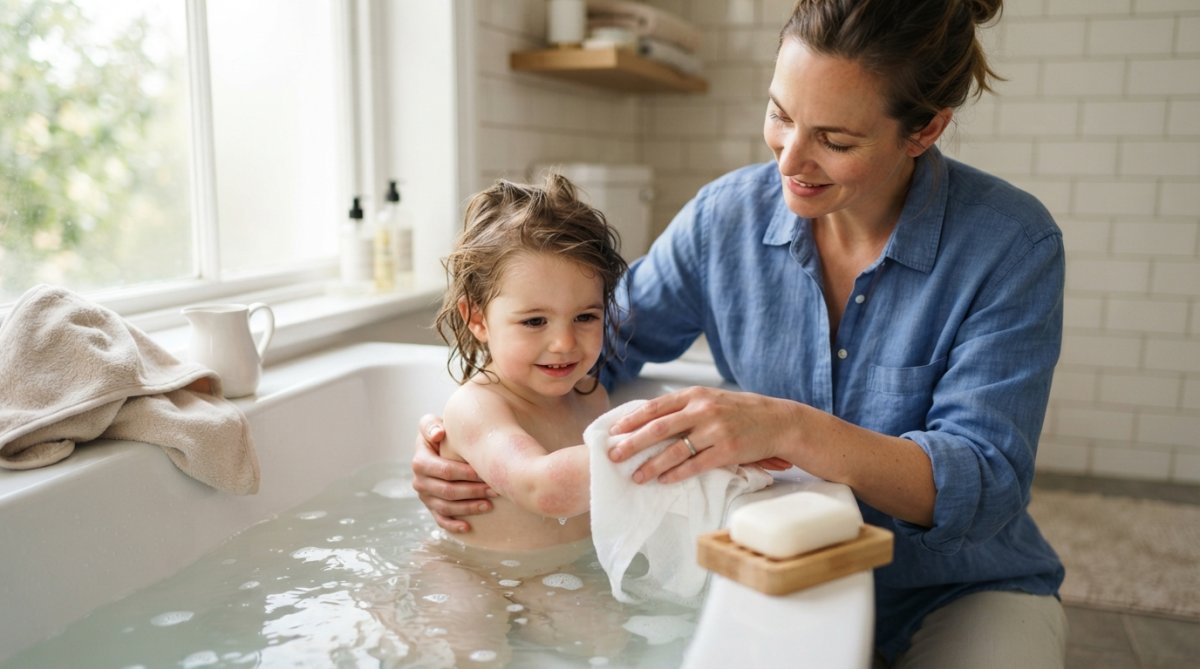
Cleansing products are where most people make critical mistakes. Conventional soaps and body washes contain surfactants that strip the skin of its natural oils and disrupt the skin barrier. The ideal cleanser for eczema is fragrance-free, hypoallergenic, and formulated with skin-barrier-supporting ingredients like shea butter. Cold-processed soaps retain more of their natural glycerin and botanical oils, making them gentler than industrially processed alternatives.
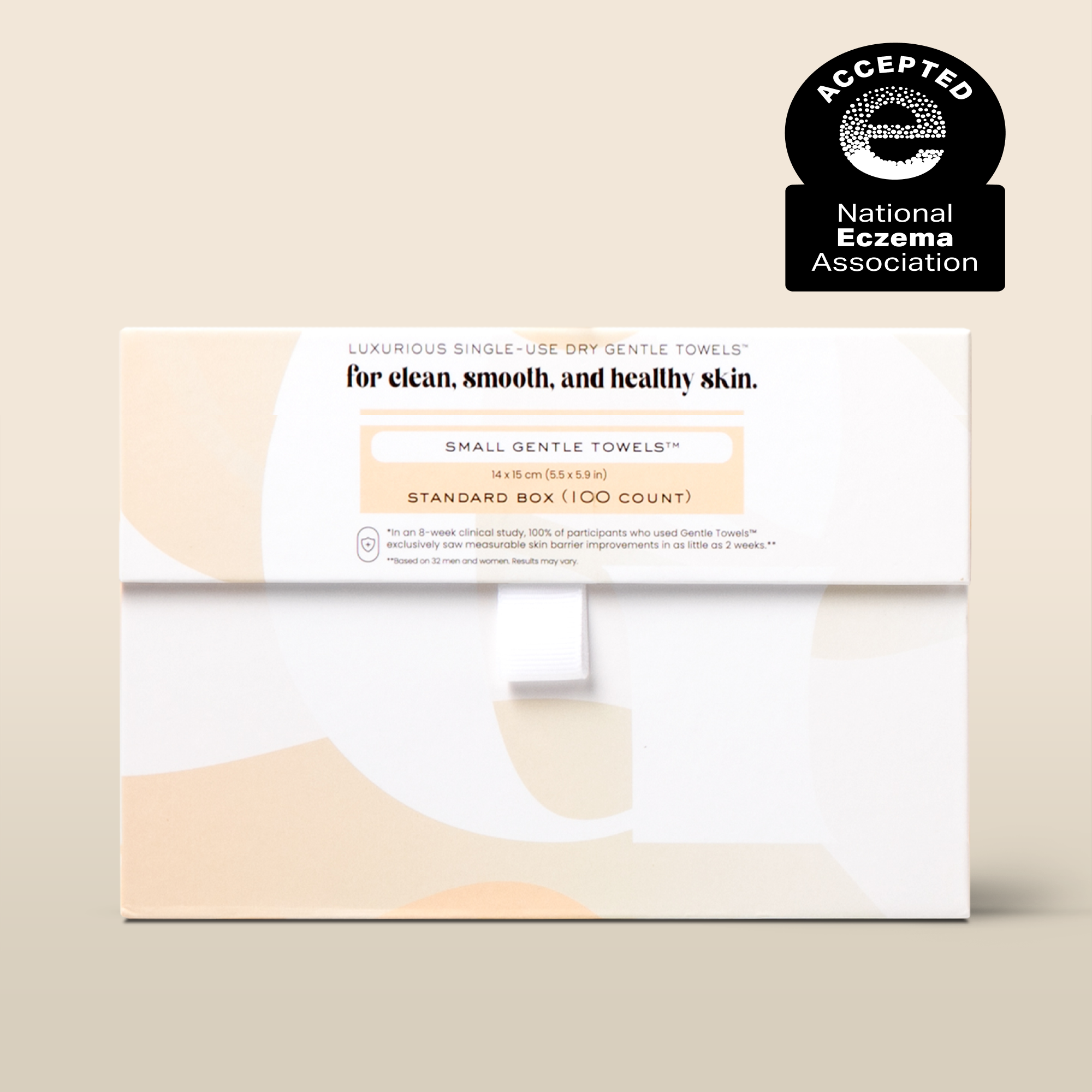
Use minimal amounts of cleanser. A small amount, roughly the size of a pea, is sufficient for the face; a dime-sized amount for larger body areas. Pat skin dry gently with a soft towel; vigorous rubbing causes friction that irritates already-inflamed skin.
Immediately after bathing, while skin is still slightly damp, apply a fragrance-free moisturizer, ointment, or emollient. This step is non-negotiable.
Benefits of Shea Butter for Eczema and Skin Barrier Repair
Shea butter is one of the most effective natural emollients for eczema-prone skin. It contains linoleic acid, oleic acid, and stearic acid, essential fatty acids that restore the skin barrier and reduce inflammation. Unlike many plant oils, shea butter has a molecular structure that allows it to penetrate the epidermis rather than sitting on the surface.
The anti-inflammatory properties of shea butter come from its natural compounds, which help calm the inflammatory cascade triggered during flareups. When applied consistently, shea butter supports the skin's ability to retain moisture and rebuild its protective lipid layer.
Raw, unrefined shea butter is superior to refined versions. Refinement removes many of the beneficial compounds that make shea butter effective for eczema. Cold-processed shea butter retains maximum nutrient density and anti-inflammatory potential. Look for products that specify "unrefined," "raw," or "cold-processed."
The texture of shea butter matters for application. Pure shea butter is solid at room temperature, making it difficult to spread evenly. Many people find that products combining shea butter with other gentle emollients, such as coconut oil or jojoba oil, offer better spreadability while maintaining the barrier-repair benefits.
For best results, apply shea butter-based products to damp skin immediately after bathing. This locks moisture into the skin and maximizes the emollient's effectiveness.
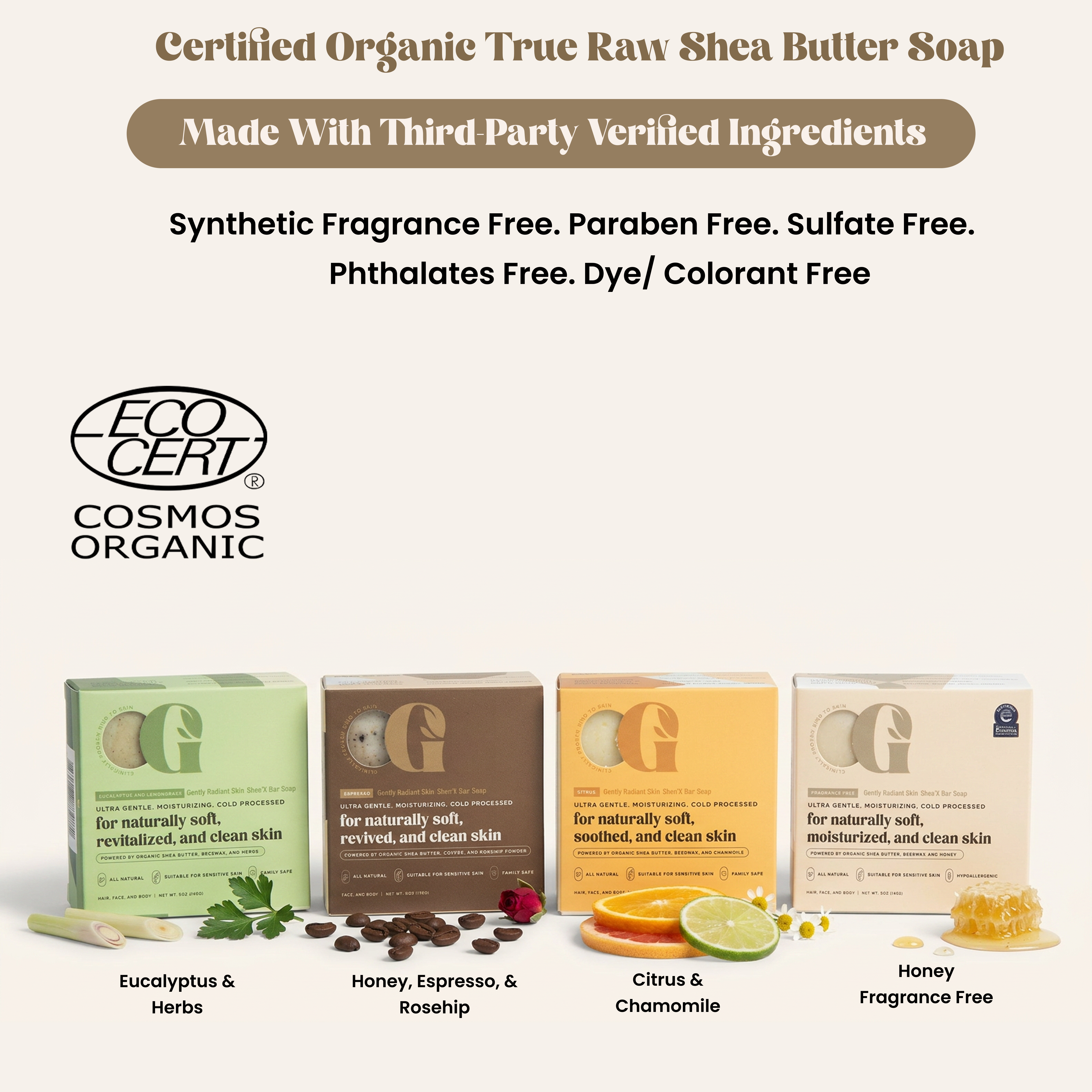
Gently Radiant Skin's SheaX Honey Fragrance Free Bar Soap ($20.00) is specifically formulated with cold-processed organic shea butter and designed for sensitive skin. It's accepted by the National Eczema Association and provides gentle cleansing without the irritants found in conventional soaps.

Your Flareup Action Plan: Step-by-Step Relief Protocol
When a flareup begins, having a clear protocol prevents panic and ensures you take the most effective steps in the right order.
Step 1: Identify the trigger (within 24 hours). Reflect on the past 48 hours: Did you use a new product? Wear a synthetic fabric? Experience stress or temperature changes? Eat something unusual? Identifying the trigger allows you to remove the irritant and prevent recurrence.
Step 2: Apply a cool compress immediately (10-15 minutes). Cool water interrupts the itch-scratch cycle and reduces inflammation. Repeat every 2-3 hours as needed.
Step 3: Take a lukewarm colloidal oatmeal bath (if flareup is widespread). If the flareup covers more than a small area, a colloidal oatmeal bath is more effective than localized compresses. Soak for 10-15 minutes, then proceed to Step 4.
Step 4: Apply moisturizer to damp skin within 3 minutes of exiting water. This is the critical step most people skip or delay. Use a fragrance-free emollient or moisturizer and apply generously to all affected areas.
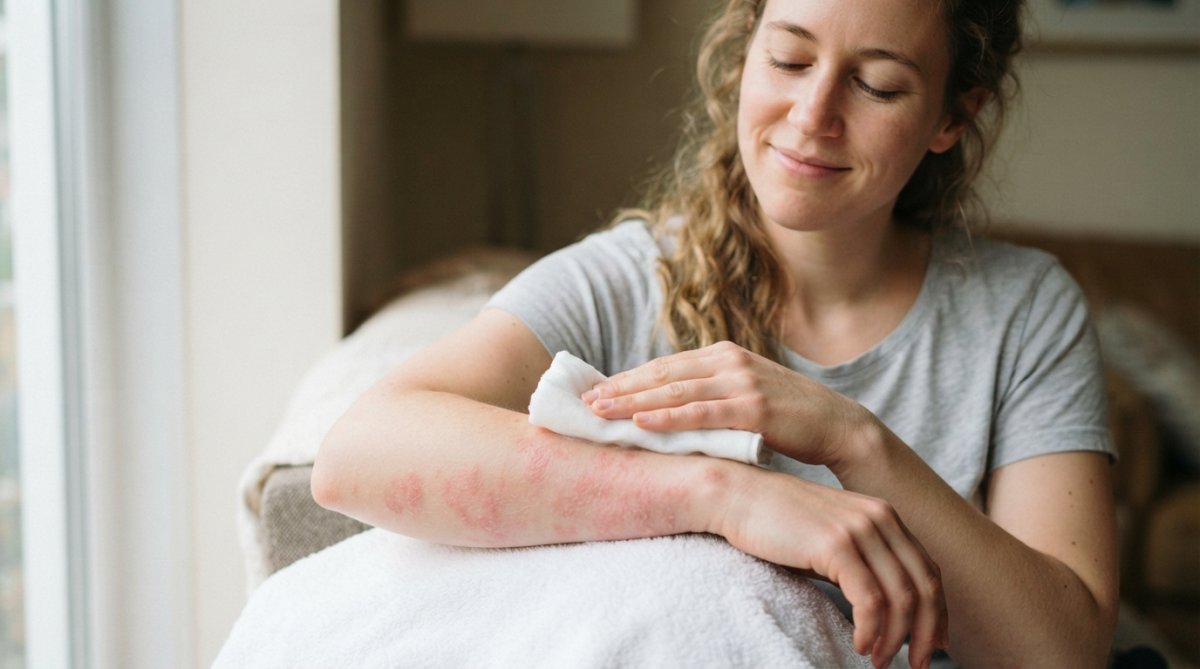
Step 5: Avoid scratching (use distraction or gentle pressure). Scratching perpetuates the flareup by damaging the skin barrier further and introducing bacteria. When the urge to scratch is strong, apply gentle pressure instead or apply another cool compress. Keep nails trimmed short.
Step 6: Maintain consistent hydration and barrier support (ongoing). Continue applying fragrance-free moisturizers 2-3 times daily, especially after bathing. Use only gentle, eczema-safe cleansers. Avoid known triggers.
Step 7: Monitor progress and adjust (days 3-7). Most flareups begin improving within 3-5 days if the trigger is removed and barrier support is consistent (the American Academy of Dermatology). If a flareup worsens or persists beyond a week, consult a dermatologist.
| Step | Action | Timing | Goal |
|---|---|---|---|
| 1 | Identify trigger | Within 24 hours | Remove irritant source |
| 2 | Cool compress | Immediately | Interrupt itch cycle |
| 3 | Oatmeal bath | As needed | Reduce inflammation |
| 4 | Apply moisturizer | Within 3 minutes of bathing | Lock in hydration |
| 5 | Prevent scratching | Ongoing | Protect skin barrier |
| 6 | Maintain hydration | 2-3 times daily | Support barrier repair |
| 7 | Monitor & adjust | Days 3-7 | Assess effectiveness |
This protocol works because it addresses both immediate relief and underlying barrier dysfunction.
Managing the Emotional Impact of Chronic Eczema
Eczema is not merely a skin condition; it's a chronic stressor that affects sleep, confidence, and emotional wellbeing. The constant itching, visible flareups, and unpredictability of triggers create psychological burden that compounds the physical symptoms.
Sleep disruption is one of the most underestimated impacts of eczema. Nighttime itching wakes you repeatedly, fragmenting sleep and leaving you exhausted. Poor sleep increases cortisol and inflammatory markers, which worsen eczema, creating a vicious cycle. Establishing a consistent evening routine that includes a colloidal oatmeal bath followed by generous moisturizer application often improves nighttime comfort significantly.
Social anxiety around visible flareups is real. Flareups on the hands, neck, or face are visible to others, and many people with eczema report feeling self-conscious or avoiding social situations during flareups. Acknowledging this emotional component as a valid part of managing eczema is important.
Stress management directly impacts flareup frequency. Practices that reduce stress, regular movement, meditation, time in nature, or creative activities, have measurable effects on eczema severity.
The ritual aspect of skincare matters more than many realize. Taking time for a thoughtful bathing and moisturizing routine transforms skincare from a chore into a moment of self-care. This psychological shift reduces stress and makes adherence to barrier-support routines easier.
Support systems help. Connecting with others managing eczema normalizes the experience and provides practical strategies.
Managing eczema flareups naturally requires understanding your specific triggers, supporting your skin barrier consistently, and addressing the emotional impact of chronic skin inflammation. The strategies covered here, cool compresses, colloidal oatmeal baths, proper bathing technique, shea butter-based moisturizers, and a clear flareup protocol, work because they address both immediate relief and long-term barrier repair. Gently Radiant Skin's SheaX Bar Soaps are formulated specifically for sensitive, eczema-prone skin, with cold-processed organic shea butter and fragrance-free ingredients that support barrier health without the irritants found in conventional products. Start with a consistent cleansing and moisturizing routine using gentle, barrier-supporting products, identify your personal triggers, and implement the flareup action plan when symptoms emerge. Most people see meaningful improvement within 2-3 weeks of consistent barrier support.

Frequently Asked Questions
Q: How can I calm down an eczema flareup fast?
A: Start with a cool compress on the affected area for 10-15 minutes to reduce inflammation and pruritus immediately. Apply a fragrance-free moisturizer like shea butter while skin is still slightly damp to lock in hydration. Take a lukewarm colloidal oatmeal bath (5-10 minutes) to soothe irritation without stripping the skin barrier. Avoid hot water, harsh soaps, and fragrance, which worsen flareups. If itching persists or signs of infection appear, contact a dermatologist.
Q: What are the main eczema flareup triggers I should avoid?
A: Common triggers include hot water, fragranced products, harsh detergents, low humidity, stress, certain fabrics (wool, synthetic), and irritating ingredients like alcohol or sulfates. Identify your personal triggers by tracking flareups in a journal, they vary by individual. Avoid contact dermatitis by using hypoallergenic, fragrance-free cleansers and moisturizers. Cold, dry weather and excessive sweating also trigger flareups. Manage these by maintaining consistent skin hydration, using gentle cleansing routines, and wearing breathable clothing.
Q: What are the benefits of shea butter for eczema?
A: Shea butter is rich in linoleic acid and lipids that restore the skin barrier, reduce inflammation, and lock in moisture without clogging pores. It's naturally hypoallergenic and fragrance-free, making it safe for sensitive and atopic dermatitis-prone skin. Unrefined shea butter contains anti-inflammatory compounds that soothe irritated skin and reduce redness. Apply it immediately after bathing to damp skin for maximum hydration. The [SheaX Honey Fragrance Free Bar Soap](https://gentlyradiantskin.com/products/sheax-organic-honey-bar-soap) ($20) combines organic shea butter with gentle cleansing to support skin barrier health while managing eczema.
Q: When should I see a dermatologist about eczema flareups?
A: Contact a dermatologist if flareups are severe, last longer than two weeks, show signs of infection (oozing, crusting, warmth), or don't improve with home remedies and moisturizers. Seek immediate care if you develop fever or widespread infection. A dermatologist can identify contact dermatitis triggers, prescribe topical treatments, and rule out secondary infections. Regular check-ins help refine your personal flareup action plan and ensure your skin barrier is healing properly.
This article was written using GrandRanker