


Avoiding Harsh Surfactants in Daily Cleansers
Table of Contents
- What Are Surfactants and Why They Matter in Cleansers
- Surfactants to Avoid for Sensitive Skin
- Signs of a Compromised Skin Barrier
- Natural Alternatives to Synthetic Surfactants
- The Transition Period: What to Expect When Switching Cleansers
- How to Read Labels and Identify Harsh Ingredients
- Building a Gentle Cleansing Routine for Reactive Skin
- Conclusion
Last Updated: August 30, 2026
What Are Surfactants and Why They Matter in Cleansers
Surfactants are molecules that reduce surface tension between water and oil, allowing cleansers to lift dirt, makeup, and excess sebum from your skin. The distinction between gentle and harsh surfactants often determines whether a cleanser leaves your skin feeling soft and balanced or tight, irritated, and desperate for moisturizer.
How surfactants work: micelle formation and oil removal
Surfactant molecules have two distinct ends: a hydrophilic head that loves water and a lipophilic tail that attracts oil. When applied to wet skin, these molecules arrange into spheres called micelles, with oil-loving tails pointing inward to trap dirt and sebum, while water-loving heads face outward. This allows water to suspend oils that would normally repel it.
The problem emerges when surfactant concentration exceeds what your skin tolerates. High concentrations strip not just surface oils but also the natural lipids protecting your skin barrier. This lipid stripping damages the intercellular cement holding outer skin cells together, increasing transepidermal water loss and triggering inflammation that can persist for days.
Anionic, cationic, and non-ionic surfactants explained
Surfactants fall into four main categories based on electrical charge. Anionic surfactants carry a negative charge and are the most common in cleansing products because they excel at removing oil and foam generously. However, this strength makes them potentially harsh, sodium lauryl sulfate and sodium laureth sulfate are widely used anionic surfactants in commercial cleansers.
Cationic surfactants carry a positive charge and are rarely used in cleansers because they're too irritating for facial skin. Non-ionic surfactants have no charge and are gentler because they don't interact aggressively with skin's natural pH and lipid structure. Amphoteric surfactants can carry either positive or negative charge depending on pH and are significantly milder than anionics, working well in formulations for sensitive skin.
The gentlest approach combines multiple surfactant types at low concentrations rather than relying on a single harsh agent.
Surfactants to Avoid for Sensitive Skin
If you have reactive skin, certain surfactants consistently trigger irritation, dryness, and barrier dysfunction.
Sodium lauryl sulfate (SLS) and sodium laureth sulfate (SLES)
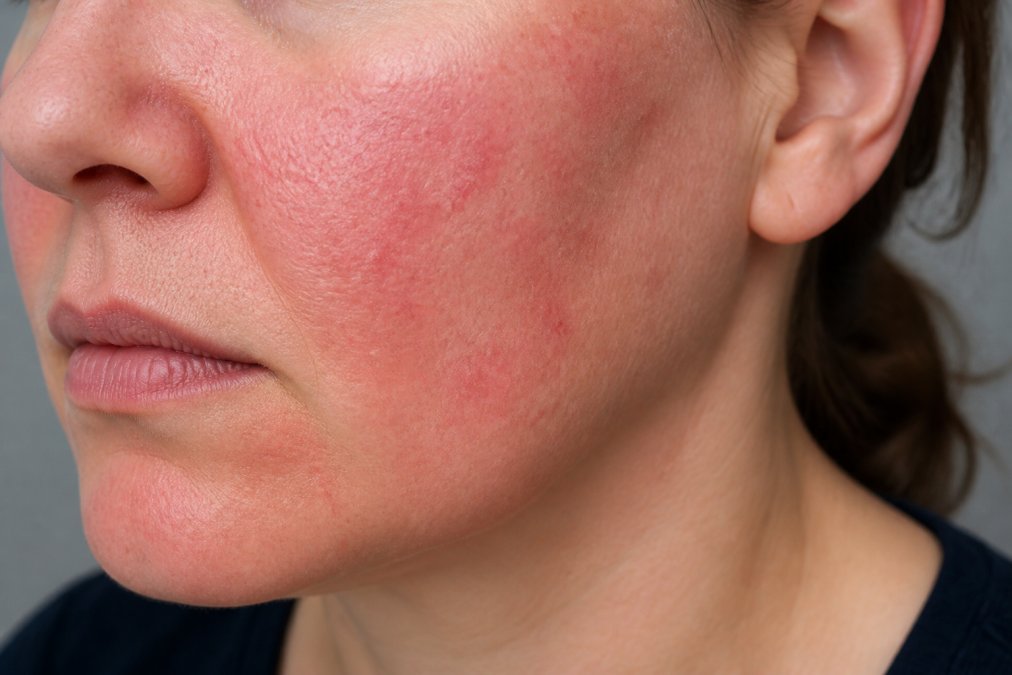
Sodium lauryl sulfate is the most aggressive anionic surfactant commonly found in cleansers, shampoos, and body washes. It's inexpensive and creates abundant foam, which is why manufacturers favor it. Unfortunately, SLS penetrates the outer skin layer readily and disrupts the skin barrier at relatively low concentrations. People with eczema, rosacea, or chronically sensitive skin often experience immediate redness, stinging, and increased dryness after using SLS-containing products.
Sodium laureth sulfate (SLES) is a modified version designed to be slightly gentler, but it still causes problems for many with reactive skin. Both belong on the avoid list if your skin barrier is compromised.
Other harsh surfactants and lipid-stripping ingredients
Beyond sulfates, several other anionic surfactants appear in cleansers marketed as "natural" or "organic." Sodium cocoyl isethionate and sodium lauroyl methyl isethionate are gentler than SLS but still strip skin at high concentrations. Decyl polyglucose and coco-glucoside, by contrast, are mild anionic surfactants that rarely trigger sensitivity.
Cocamidopropyl betaine sometimes causes contact dermatitis, particularly in people with compromised skin barriers. This amphoteric surfactant is milder than SLS but problematic for a subset of reactive skin types.
The key distinction is concentration. A harsh surfactant at 2% might be tolerable, while a mild surfactant at 15% could trigger irritation. Reading labels alone isn't enough, you need to understand both the surfactant type and its likely concentration based on ingredient order.
Signs of a Compromised Skin Barrier
Your skin barrier is your first line of defense against irritants, bacteria, and environmental damage. When harsh surfactants compromise this barrier, specific symptoms emerge.
How harsh surfactants damage skin barrier function
The skin barrier consists of tightly packed cells held together by lipids, primarily ceramides, cholesterol, and fatty acids. When you cleanse with harsh surfactants, you strip these protective lipids faster than your skin can replace them, creating microscopic gaps that allow water to escape and irritants to penetrate (peer-reviewed research).
Repeated barrier disruption triggers inflammation as your immune system responds to perceived threats. This accelerates skin aging, worsens acne by disrupting the skin microbiome, and intensifies sensitivity to other products. The cycle becomes self-perpetuating: a compromised barrier makes your skin more reactive, prompting stronger products that further damage the barrier.
Research from the National Eczema Association emphasizes that barrier repair is the foundation of managing reactive skin conditions.
Recognizing transepidermal water loss and irritation
Transepidermal water loss (TEWL) occurs when moisture escapes through a compromised barrier. You'll notice persistent tightness even after moisturizing, a feeling that your skin is perpetually thirsty, or visible dehydration lines appearing within hours of cleansing.
Other signs include redness that doesn't fade quickly, burning or stinging during or after washing, increased sensitivity to previously tolerated products, and visible flaking or rough texture. If you experience these symptoms, your current cleanser is likely too harsh. The solution is to switch to a genuinely gentle formula that cleanses without stripping.
Natural Alternatives to Synthetic Surfactants
The market offers several genuinely gentle surfactant options that clean effectively without harsh irritation.
Mild surfactants: decyl glucoside and coco-glucoside
Decyl glucoside and coco-glucoside are derived from natural sources, coconut and glucose, though synthesized through chemical processing. What matters is their performance: they're non-ionic surfactants that clean effectively at low concentrations without disrupting the skin barrier.
These glucoside surfactants preferentially remove excess sebum and dirt while leaving the skin's natural protective lipids relatively intact. This selectivity is why they're considered mild. Products formulated with these as the primary surfactant typically feel gentler during and after cleansing, without the immediate dryness that follows harsh cleansers.
Amphoteric surfactants and pH-balanced formulations
Amphoteric surfactants like cocamidopropyl hydroxysultaine are mild and rarely trigger sensitivity when formulated at appropriate concentrations. They're particularly valuable because they're compatible with a wide pH range, allowing formulators to create products that maintain skin's natural pH of around 4.5 to 5.5.
pH-balanced cleansers matter significantly. Harsh surfactants typically raise skin pH, disrupting the acid mantle, a thin protective layer of sebum and sweat that maintains natural defenses. When pH rises above 5.5, beneficial bacteria decline, pathogenic bacteria increase, and inflammation accelerates (peer-reviewed research). Gentle surfactants at low concentrations in pH-balanced formulations minimize this disruption.
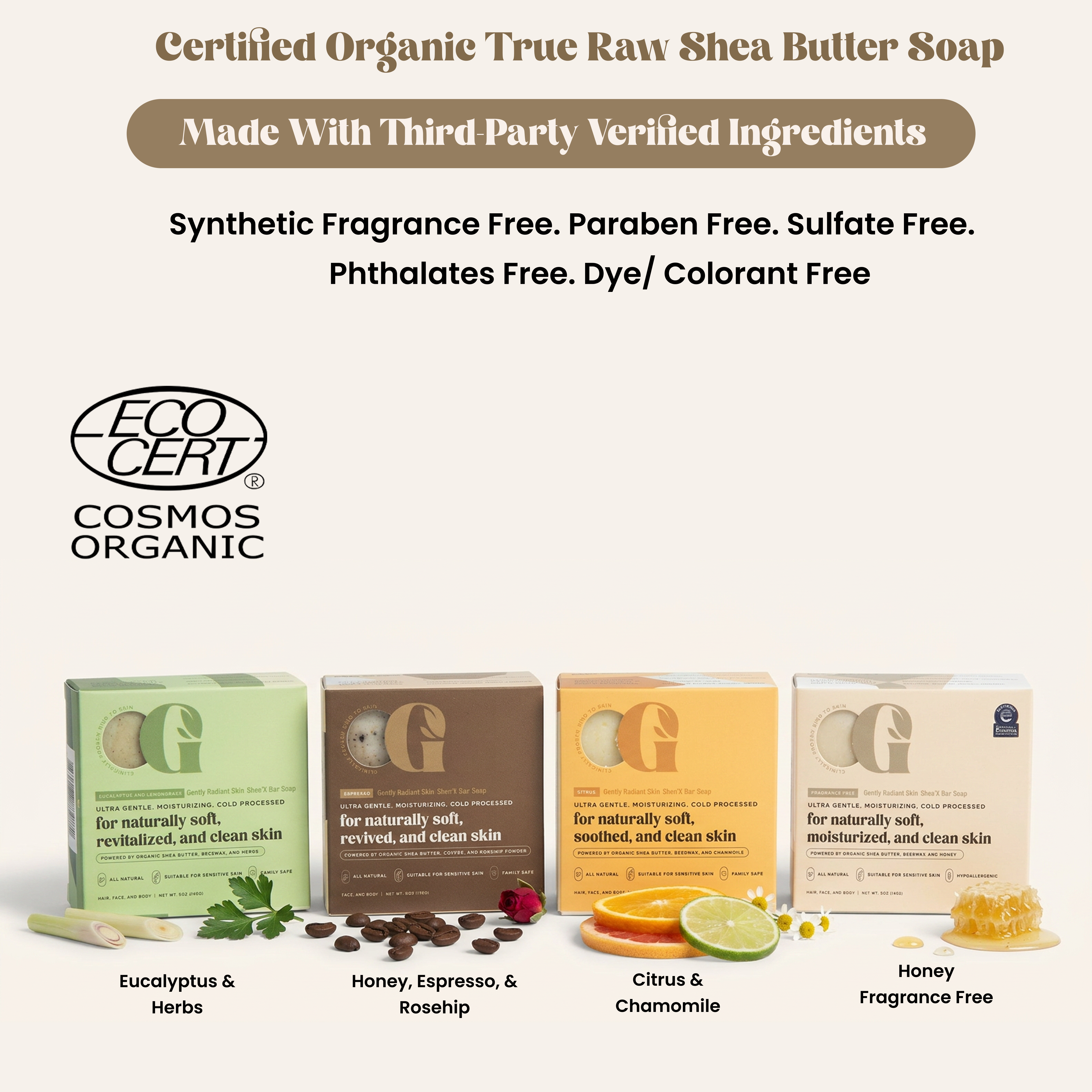
The Gently Radiant Skin SheaX bar soaps use cold-processed formulation with mild surfactants and are pH-balanced for sensitive skin, delivering effective cleansing while supporting barrier repair.

The Transition Period: What to Expect When Switching Cleansers
Switching from a harsh cleanser to a genuinely gentle formula often triggers a temporary adjustment period.
When you've used harsh cleansers, your skin adapts by producing excess sebum to compensate for the stripping. When you switch to a gentle cleanser, your skin continues this overproduction because it hasn't realized the stripping has stopped. This transition typically lasts 1-3 weeks, during which your skin might feel slightly greasier, particularly on the T-zone. This is not a sign the gentle cleanser isn't working, it's a positive sign your skin is beginning to rebalance.
You may also notice increased dryness or flaking as your barrier repairs. Damaged barriers often show visible peeling during recovery. This is temporary and indicates healing is underway. Support this process with a hydrating moisturizer and avoid additional irritating products during the transition.
By week 3-4, most people notice their skin feels more comfortable, less reactive, and better balanced. The sebum production normalizes, dryness resolves, and you're left with a genuinely healthier skin barrier.
How to Read Labels and Identify Harsh Ingredients
Ingredient lists follow a specific regulatory format that reveals surfactant concentration and formulation philosophy.
Spotting surfactant concentration and ingredient transparency
The FDA requires cosmetic manufacturers to list ingredients in descending order by concentration. If sodium lauryl sulfate or sodium laureth sulfate appears in the first three ingredients, the cleanser is likely too harsh for sensitive skin.
Conversely, if a gentle surfactant like decyl glucoside appears first or second, followed by water and hydrating ingredients, the formulation prioritizes gentleness. Look for products listing multiple surfactants rather than relying on a single agent, this typically indicates a more carefully balanced formula.
Check whether the product includes barrier-supporting ingredients like ceramides, hyaluronic acid, or plant oils. These additions indicate the formulator understands that cleansing should support skin health, not just remove dirt.
Building a Gentle Cleansing Routine for Reactive Skin
A proper cleansing routine for reactive skin goes beyond choosing the right product, technique and supporting steps matter equally.
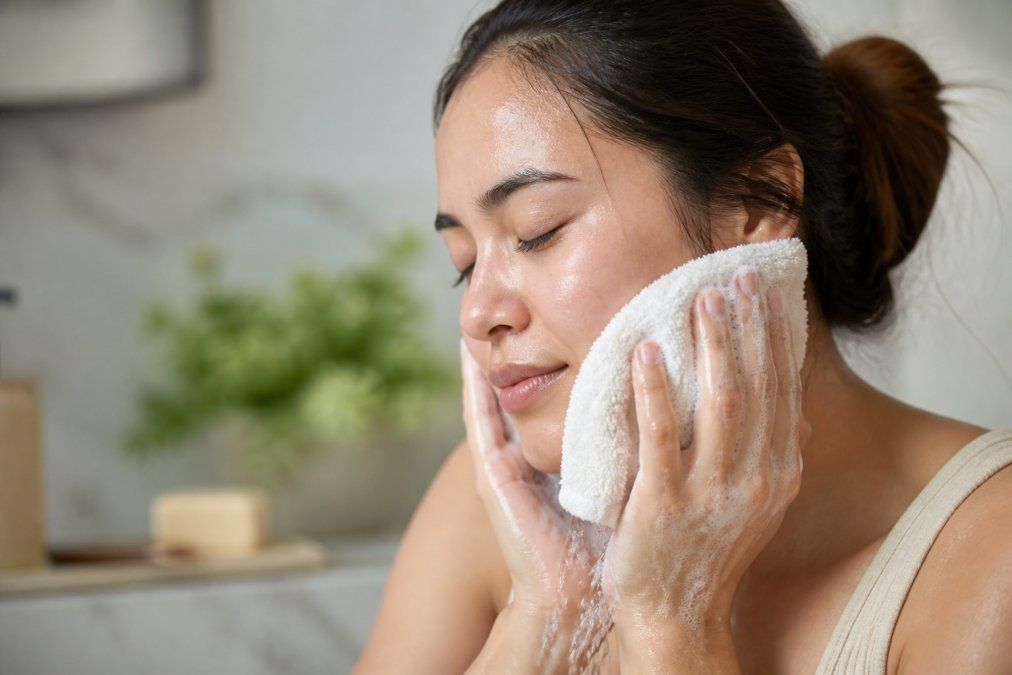
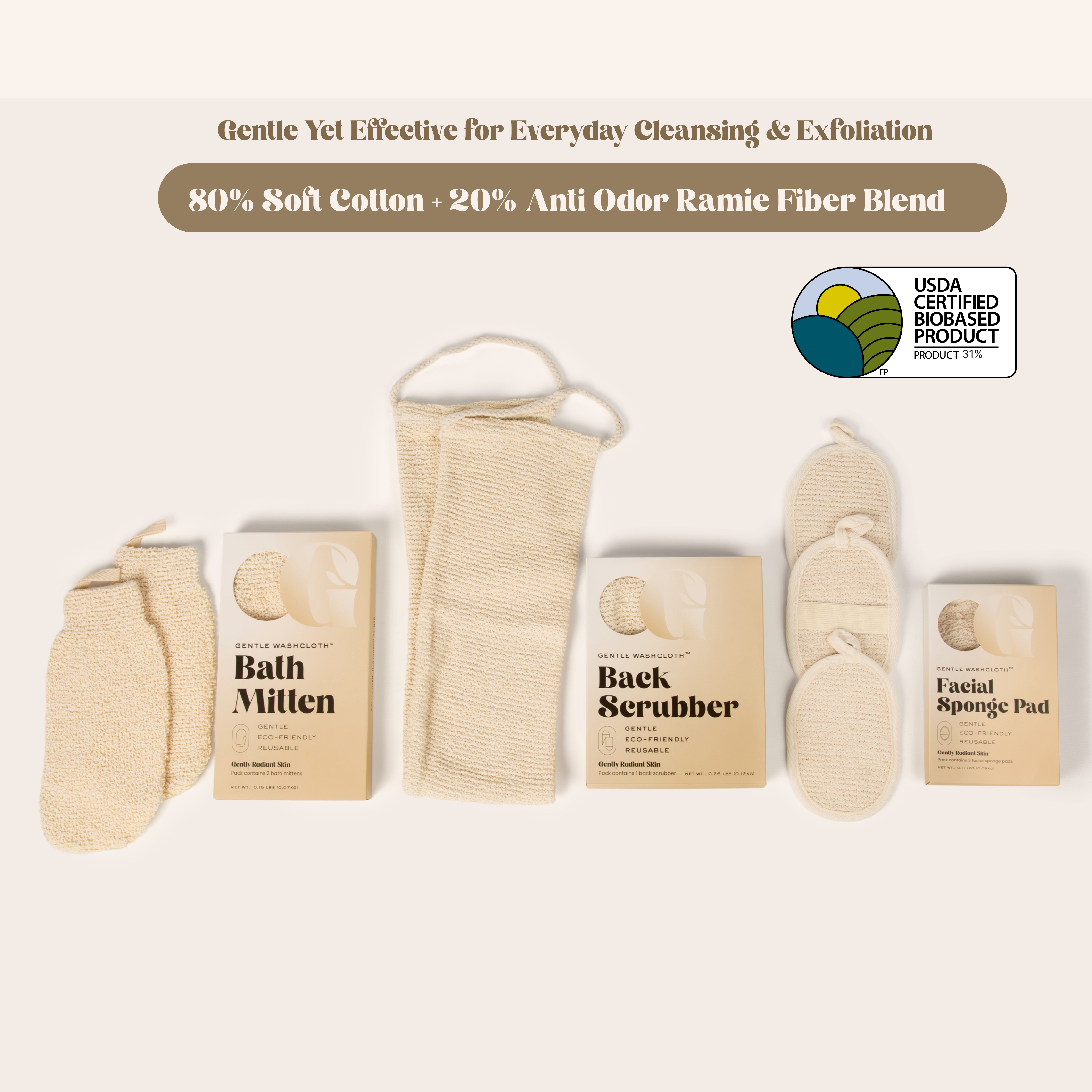
Start by using lukewarm water, not hot. Hot water opens pores and increases transepidermal water loss, compounding damage from harsh cleansing. Apply your gentle cleanser with your fingertips or a soft cloth, never a rough washcloth. Gently massage for no more than 30-60 seconds. Rinse thoroughly with lukewarm water, ensuring no product residue remains.
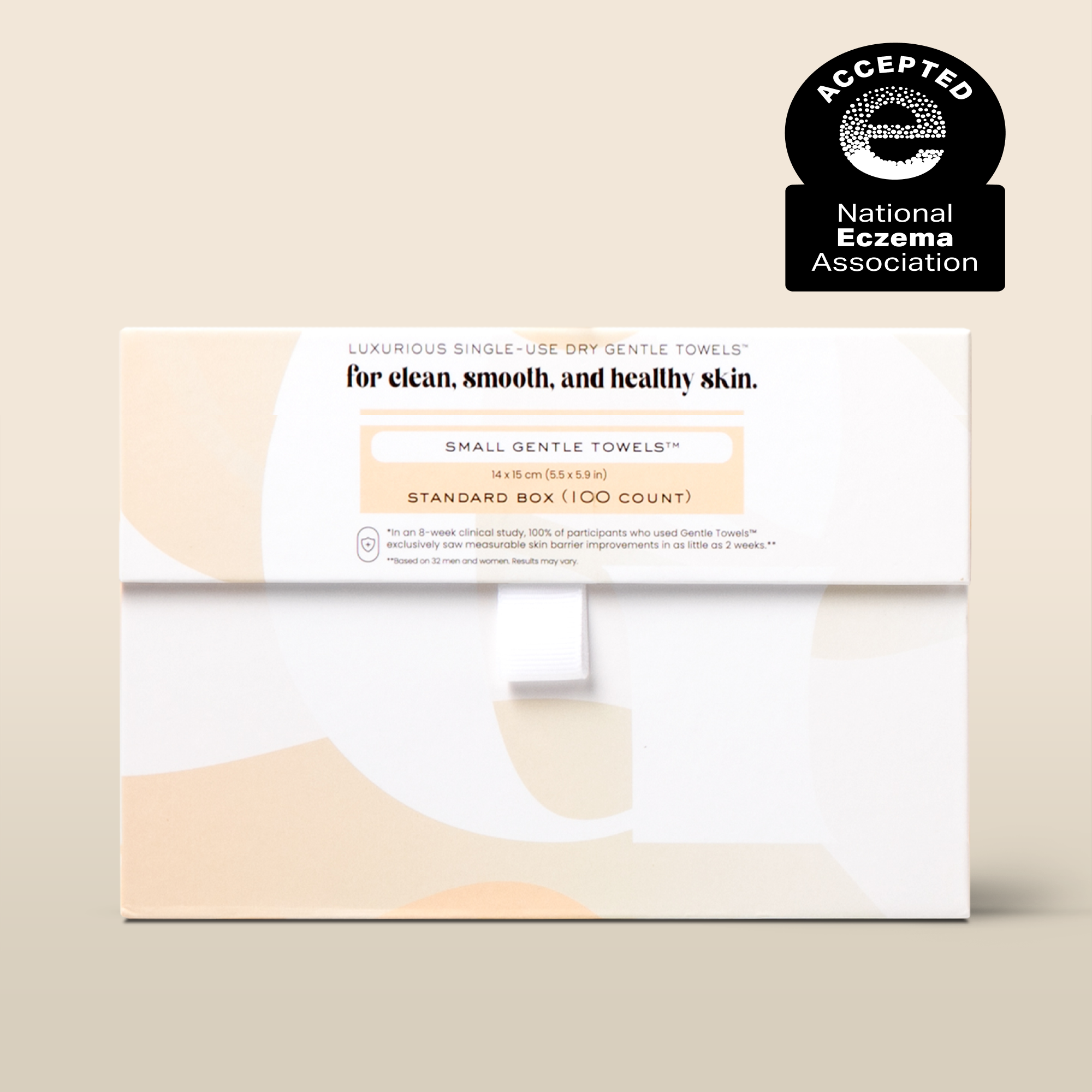
Pat your skin dry gently rather than rubbing. Immediately follow with a hydrating toner or essence, then your moisturizer. This sequence locks in hydration while your barrier is most receptive. Many people benefit from using the Gently Radiant Skin Gentle Towels for cleansing and drying, these ultra-soft, clinically tested towels are designed specifically for sensitive skin and improve barrier function in 2 weeks with consistent use.

Cleanse once daily, preferably in the evening. If you cleanse in the morning, use only water or a very gentle micellar water. Twice-daily cleansing with even gentle products can over-strip reactive skin.
| Step | Duration | Frequency | Key Point |
|---|---|---|---|
| Rinse with lukewarm water | 10 seconds | Once daily | Prepare skin without heat damage |
| Apply gentle cleanser | 30-60 seconds | Once daily | Avoid over-cleansing |
| Massage gently | 20-30 seconds | Once daily | Use fingertips or soft cloth only |
| Rinse thoroughly | 15-20 seconds | Once daily | Remove all product residue |
| Pat dry gently | 10 seconds | Once daily | Never rub vigorously |
| Apply hydrating toner | 30 seconds | Once daily | Lock in moisture |
| Apply moisturizer | 1-2 minutes | Once daily | Complete barrier support |
Choosing cleansers free from harsh surfactants transforms how your skin feels and functions. The transition away from stripping products requires patience, but the payoff, calmer, more resilient, genuinely healthy skin, is worth the adjustment period.
Gently Radiant Skin's cold-processed organic bar soaps and ultra-soft cleansing tools are designed specifically for this journey. Our products are dermatologist-approved, accepted by the National Eczema Association, and clinically tested to improve skin barrier function in as little as 2 weeks. If you've struggled with reactive skin despite using products labeled "gentle," the problem likely isn't your skin, it's that most commercial cleansers still contain surfactants that compromise barrier health. SHOP SHEAX and experience what genuinely gentle cleansing feels like.
Frequently Asked Questions
Q: What ingredients should I avoid in facial cleansers if I have sensitive skin?
A: Avoid sodium lauryl sulfate (SLS), sodium laureth sulfate (SLES), and other anionic surfactants that strip the skin barrier. Look for products listing these high up on the ingredient label, that means higher concentration. Instead, choose cleansers with mild surfactants like decyl glucoside, coco-glucoside, or amphoteric surfactants. Check the pH balance too; cleansers between 4.5 and 6.5 are gentler. Products like SheaX bar soaps use cold-processed shea butter and natural surfactants, avoiding harsh stripping agents entirely.
Q: How do harsh surfactants damage the skin barrier?
A: Harsh surfactants disrupt the lipid layer that protects your skin, causing transepidermal water loss and dermal inflammation. They work too aggressively, removing both dirt and the natural oils your skin needs to stay healthy. This leads to dryness, irritation, and a compromised barrier that can't defend against bacteria or environmental stressors. Over time, repeated exposure worsens sensitivity and can trigger eczema flares or acne. Gentler formulations preserve the skin's natural protective function while still cleansing effectively.
Q: What are the signs that your cleanser is too harsh?
A: If your cleanser leaves your skin feeling tight, dry, or itchy after washing, that's a red flag. You might notice redness, flaking, or increased sensitivity to other products. Some people experience a stinging sensation even with plain water afterward. If you're reaching for lotion immediately after cleansing just to feel comfortable, your cleanser is likely stripping too much. Children with eczema may see flares within hours of using a harsh cleanser. These signs mean your skin barrier is being compromised, and it's time to switch to a gentler formula.
Q: Are sulfate-free cleansers always better for reactive skin?
A: Sulfate-free is a good starting point, but it's not the whole picture. A cleanser can be sulfate-free yet still contain other harsh surfactants or irritating ingredients. What matters most is the specific surfactant type, pH balance, and overall formulation. Look for products that combine sulfate-free claims with mild surfactants like glucosides, dermatologist approval, and clinical testing for sensitive skin. Certified organic options like SheaX soaps go further by using cold-processed shea butter and purposeful botanicals, avoiding synthetic surfactants altogether while maintaining cleansing efficacy.
This article was written using GrandRanker