


How to Stop Skin Barrier Damage: A Complete Recovery Guide
Table of Contents
- What Is the Skin Barrier and Why It Matters
- Signs of Damaged Skin Barrier You Shouldn't Ignore
- Common Causes of Barrier Damage and How to Stop Them
- Skincare Products to Avoid for Sensitive Skin During Recovery
- Your Skin Barrier Repair Routine: Step-by-Step
- How Long to Heal Skin Barrier and What to Expect
- Ingredients That Support Barrier Healing
- Conclusion: Restore Your Skin's Natural Resilience
Last Updated: August 26, 2026
What Is the Skin Barrier and Why It Matters
Your skin barrier is the outermost layer of your skin, called the stratum corneum, composed of dead skin cells held together by lipids like ceramides and fatty acids. Think of it as a brick-and-mortar wall: the dead cells are the bricks, and the lipids are the mortar. This barrier locks moisture in and keeps irritants out. When functioning properly, your skin feels soft, hydrated, and resilient. When it breaks down, expensive serums sting, your skin feels tight after cleansing, and even "gentle" products trigger flares.
The barrier controls transepidermal water loss (TEWL), the rate at which water evaporates from your skin. A healthy barrier minimizes TEWL; a damaged one lets moisture escape rapidly, leaving skin parched and vulnerable. Your barrier rebuilds itself roughly every two to four weeks, but daily habits, from what you cleanse with to how aggressively you exfoliate, either support that repair cycle or work against it (peer-reviewed research). With the right approach, you can restore a damaged barrier in as little as two weeks.
Signs of Damaged Skin Barrier You Shouldn't Ignore
A damaged skin barrier sends clear signals. Your skin might feel tight and uncomfortable immediately after cleansing, even with gentle products. Redness, sensitivity, and irritation appear where they didn't before. You might notice increased dryness that lotion doesn't fix, or conversely, sudden oiliness as your skin overcompensates by producing excess sebum. Some people experience increased breakouts because bacteria and irritants penetrate more easily through micro-tears in the barrier.
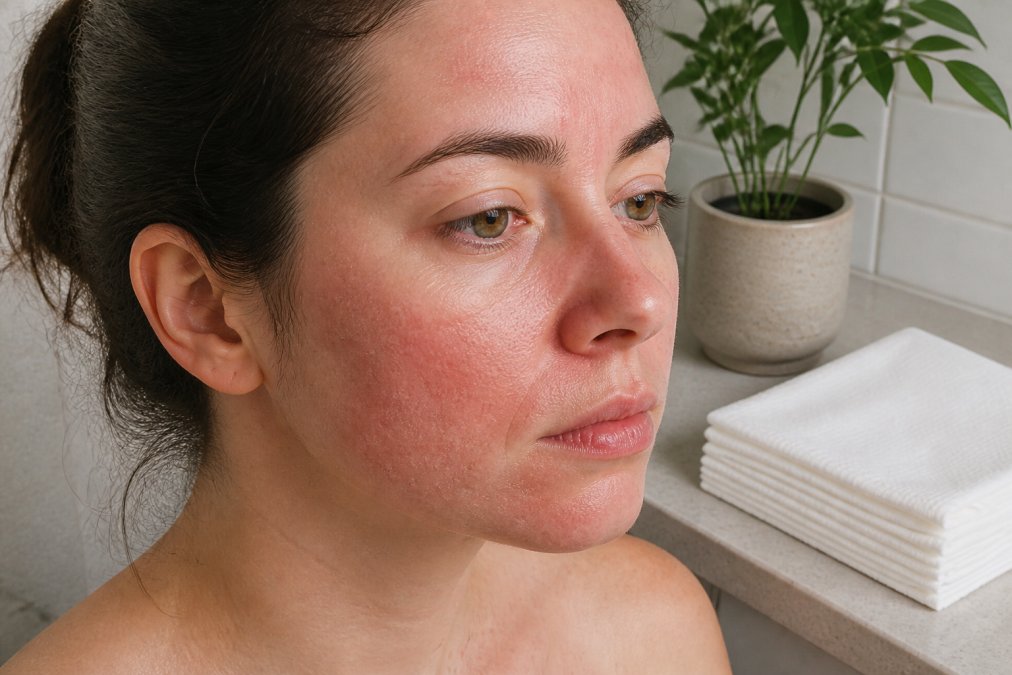
Itching, burning, or stinging when you apply products you've used before is another red flag. Your skin's pH balance shifts when the barrier is compromised, disrupting the acid mantle, the thin, slightly acidic layer that protects your skin. This triggers inflammation and hypersensitivity. You might also notice your skin feels raw or reactive to temperature changes, wind, or water.
The most telling sign: your skin feels fragile. Products that once felt neutral now cause visible reactions. Your barrier's lipid composition has genuinely shifted, and your skin integrity has weakened.
Common Causes of Barrier Damage and How to Stop Them
Over-exfoliation is the leading cause of barrier damage. Whether using physical exfoliants, chemical exfoliants, or aggressive washcloths, excessive exfoliation strips away the protective lipid layer faster than your skin can rebuild it. Many people exfoliate multiple times per week thinking they're helping their skin, when they're actually creating micro-tears and accelerating TEWL.
Hot water is deceptively damaging. It strips lipids from the skin's surface. Lukewarm water cleanses without this lipid-stripping effect. The combination of hot water plus harsh cleansers is particularly destructive.
Using the wrong cleanser is another major culprit. Many commercial cleansers contain sulfates, fragrance, and surfactants that disrupt the barrier's pH balance and strip lipids. The acid mantle thrives in a pH range of 4.5 to 5.5; cleansers outside this range cause inflammation and barrier dysfunction (peer-reviewed research).
Overusing active ingredients, retinoids, vitamin C, niacinamide, or acids, without proper introduction overwhelms the barrier. Jumping into daily use or layering multiple actives too quickly causes irritation and barrier breakdown.
Environmental stress plays a significant role. Cold, dry climates, pollution, and UV exposure all damage the barrier. In extreme climates, temperatures below 32°F or relative humidity below 30%, the barrier's lipid composition becomes more rigid and prone to cracking.
Stress, Cortisol, and Barrier Dysfunction
Chronic psychological stress triggers systemic inflammation that reaches the skin and disrupts tight junctions between skin cells, weakening the barrier's structural integrity. Elevated cortisol also suppresses ceramide and fatty acid production, the lipids your barrier depends on. Chronic stress prevents the barrier from healing.
Stress alters your gut microbiome, increasing intestinal permeability. This allows bacterial lipopolysaccharides to enter the bloodstream, triggering systemic inflammation that manifests as barrier dysfunction, increased sensitivity, and sometimes acne or rosacea flares. If you're experiencing barrier damage alongside digestive issues, the root cause may be stress-induced gut dysbiosis.
Sleep deprivation compounds this damage. During sleep, your skin enters a repair phase: cortisol levels drop, growth hormone increases, and your barrier rebuilds most actively between 11 p.m. and 3 a.m. Chronic sleep deprivation (fewer than 7 hours per night) impairs this nocturnal repair cycle. People sleeping fewer than 6 hours per night have significantly higher transepidermal water loss compared to those sleeping 8 hours (peer-reviewed research).
To address stress-related barrier damage, prioritize sleep consistency (aim for 7-9 hours nightly), incorporate stress-reduction practices like meditation, and consider whether your diet supports barrier healing. If barrier damage persists despite topical care and lifestyle changes, consult a dermatologist to rule out conditions like atopic dermatitis.
Skincare Products to Avoid for Sensitive Skin During Recovery
During barrier recovery, stop introducing new stressors. Avoid products containing fragrance, whether labeled "natural fragrance" or "essential oils", fragrance irritates a compromised barrier. Fragrance-free is non-negotiable.
Skip products with high concentrations of alcohol or witch hazel, which are drying and disrupt the acid mantle. Avoid sulfates, which strip lipids aggressively. Benzoyl peroxide, while effective for acne, is too harsh during barrier recovery.
Don't use retinoids, vitamin C serums, or chemical exfoliants (AHAs, BHAs) while your barrier is repairing. These actives slow recovery. Simplification is the strategy. Avoid products with essential oils or botanical extracts marketed as "soothing", many trigger irritation in sensitive skin. Skip anything with fragrance masking as "plant-based" ingredients.
Products with high water content but no occlusive layer won't help. During recovery, you need products that both hydrate and seal in moisture.
Your Skin Barrier Repair Routine: Step-by-Step
Repairing the barrier requires consistency and restraint. The routine is intentionally simple; complexity is the enemy of barrier recovery.
Step 1: Cleanse With Gentle, pH-Balanced Products
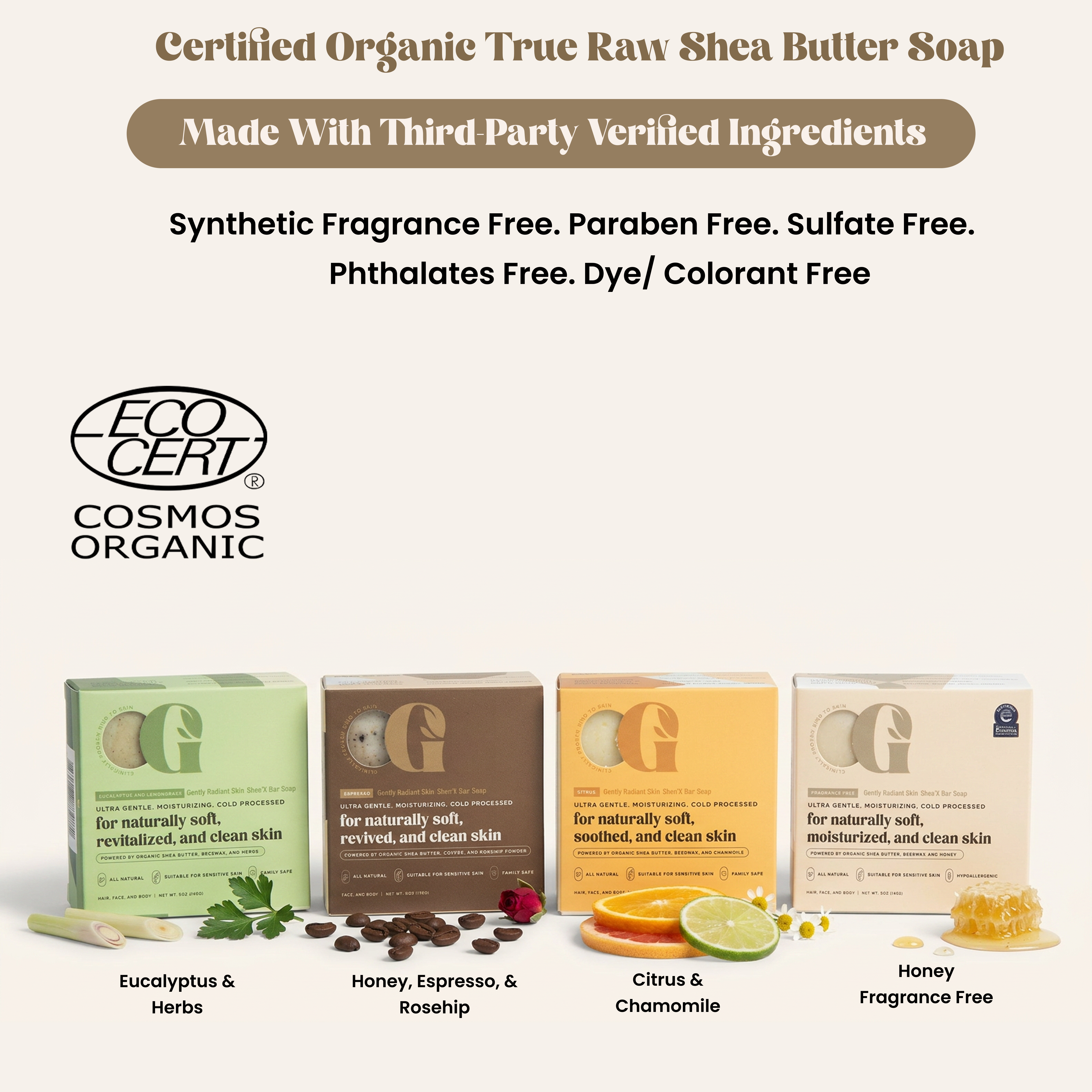
Start with a cleanser specifically formulated for sensitive skin. Look for products without sulfates, fragrance, or harsh surfactants. Cold-processed organic soaps like the SheaX™ Honey Fragrance Free Bar Soap ($20.00) are designed to cleanse without stripping the barrier. The unrefined shea butter base provides lipids while respecting the acid mantle.

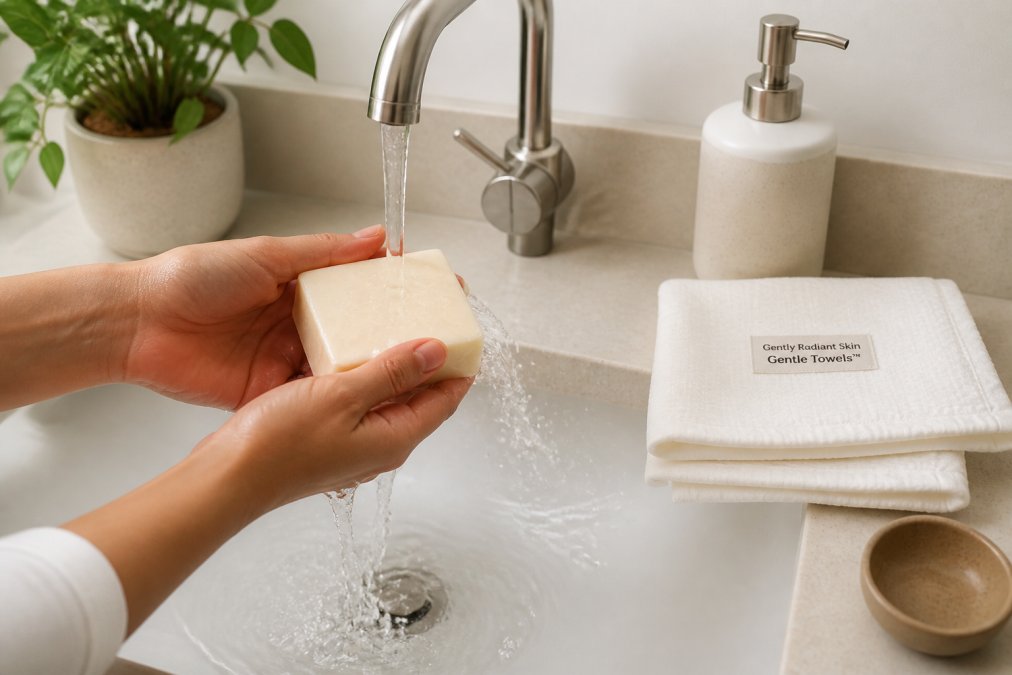
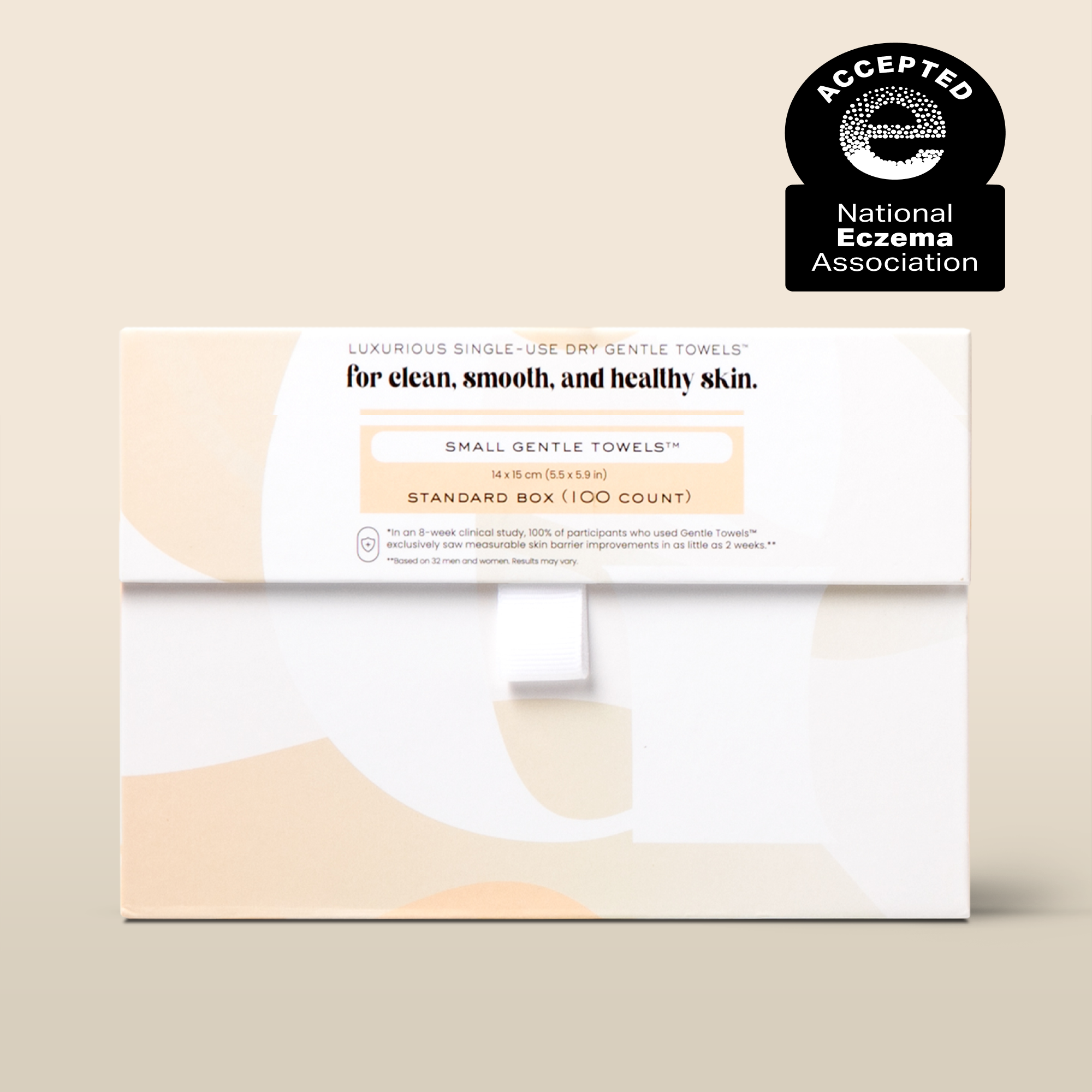
Use lukewarm water, not hot. Massage the cleanser gently onto damp skin for 30-60 seconds; don't scrub. Pat dry with a soft towel. The Gentle Towels™ ($17.50) are clinically tested for sensitive skin and fragrance-free, reducing the risk of irritation.

Step 2: Apply Hydrating and Occlusive Ingredients
This is where barrier recovery happens. After cleansing, apply a hydrating product containing humectants like hyaluronic acid, which draws water into the skin. Follow immediately with an occlusive layer, an emollient that seals moisture in. This two-step approach is critical: hydration alone evaporates without an occlusive barrier.
Look for products containing ceramides and fatty acids, the actual lipids your barrier needs to rebuild. Niacinamide is gentle and supports barrier function without irritation. Apply these products to damp skin, using your fingertips to gently press them in rather than rubbing.
Step 3: Protect Your Barrier With Sunscreen Daily
UV exposure damages the barrier and triggers inflammation. Use a mineral sunscreen (zinc oxide or titanium dioxide) during the day. Chemical sunscreens can irritate sensitive, recovering skin. Reapply every two hours if you're outdoors.
How Long to Heal Skin Barrier and What to Expect
With consistent, appropriate care, many people see noticeable improvement within two weeks. You'll notice your skin feels less tight after cleansing, redness begins to fade, and sensitivity decreases.
Full barrier recovery typically takes four to six weeks, depending on the severity of damage and how consistently you follow a repair routine. Severe damage from aggressive procedures or extreme environmental stress might take eight to twelve weeks.
During the first week, you might see a temporary increase in sensitivity as your skin adjusts to a simplified routine. This is normal. By week two, most people report noticeable improvement in comfort and appearance.
Don't rush back to your full skincare routine. Even after two weeks of improvement, your barrier is still rebuilding. Reintroduce actives slowly, one product at a time, starting with low concentrations, waiting at least two weeks between introductions.
Ingredients That Support Barrier Healing
Topical Ingredients for Barrier Repair
Ceramides are essential. They're lipids your barrier naturally contains, and supplementing them accelerates repair. Look for ceramide NP, ceramide AP, and ceramide EOP in product ingredient lists. These three ceramide types make up roughly 50% of your barrier's lipid composition.
Hyaluronic acid is a humectant that holds moisture in the skin. Layer it under an emollient. Niacinamide (vitamin B3) reduces inflammation, supports barrier function, and is gentle enough for sensitive skin during recovery. Research shows niacinamide increases ceramide and fatty acid production in the skin.
Fatty acids, linoleic acid, linolenic acid, and oleic acid, are structural lipids your barrier needs. Shea butter is rich in fatty acids and gentle enough for sensitive skin. Glycerin is both a humectant and occlusive, making it useful for barrier recovery. Centella asiatica (cica) reduces inflammation and supports the skin microbiome. Panthenol (provitamin B5) supports barrier repair and is well-tolerated even by severely compromised skin.
Avoid ingredients that sound beneficial but irritate sensitive skin during recovery: essential oils, fragrance, high-concentration acids, and retinoids.
Internal Support: Nutrition and Hydration for Barrier Repair
Barrier repair is a systemic process that depends on adequate hydration, essential fatty acids, amino acids, and micronutrients.
Hydration: Aim for at least 8-10 glasses of water daily. However, hydration isn't just about water intake, electrolytes (sodium, potassium, magnesium) help your cells retain water. If you're drinking water but still experiencing severe dryness, consider whether you're consuming adequate electrolytes.
Omega-3 and Omega-6 Fatty Acids: Your barrier's lipid layer is composed partly of polyunsaturated fatty acids. Omega-3 fatty acids (found in fatty fish, flaxseeds, and walnuts) and omega-6 fatty acids (found in seeds, nuts, and vegetable oils) are precursors to the ceramides your barrier needs. If you don't eat fatty fish 2-3 times per week, consider a fish oil supplement (1,000-2,000 mg EPA/DHA daily) or algae oil.
Amino Acids and Protein: Your skin barrier is made of proteins and lipids. Aim for 0.8-1.0 grams of protein per pound of body weight daily. If you're vegetarian or vegan, ensure you're consuming complete proteins through combinations of legumes, grains, nuts, and seeds.
Vitamin C and Antioxidants: While topical vitamin C serums can irritate recovering skin, consuming vitamin C through food (citrus fruits, berries, bell peppers, leafy greens) supports barrier repair. Aim for 75-90 mg daily for women, 90-120 mg for men. Other antioxidants like vitamin E, selenium, and polyphenols reduce inflammation and support barrier healing.
Zinc and B Vitamins: Zinc is essential for skin cell turnover and barrier function. Consume zinc-rich foods like oysters, beef, pumpkin seeds, and chickpeas, or supplement 8-11 mg daily. B vitamins, particularly B3 (niacinamide) and B5 (pantothenic acid), support barrier lipid synthesis.
Gut Health and the Microbiome: The health of your gut microbiome directly influences your skin barrier. Support it by consuming fermented foods (yogurt, kefir, sauerkraut, kimchi, miso) and prebiotic fiber (garlic, onions, asparagus, bananas, oats). If you've taken antibiotics recently or have digestive issues, a high-quality probiotic supplement may accelerate barrier healing.
Practical Implementation: During active barrier repair (weeks 1-6), prioritize hydration, adequate protein, omega fatty acids, and antioxidant-rich foods. A simple daily protocol: drink 8-10 glasses of water, eat 3-4 ounces of fatty fish or take a fish oil supplement, consume 2-3 servings of colorful vegetables, and include a protein source at each meal.
Conclusion: Restore Your Skin's Natural Resilience
Barrier damage doesn't require expensive treatments or complicated routines. It requires consistency, restraint, and products formulated specifically for sensitive skin recovery. The challenge most people face is resisting the urge to "do more", to add treatments and actives while their barrier is healing. Simplification accelerates recovery.
Gently Radiant Skin products are specifically engineered to support barrier healing. The SheaX™ Bar Soap ($20.00) cleanses with cold-processed organic shea butter and no fragrance, while the Gentle Towels™ ($17.50) provide clinically tested, hypoallergenic cleansing accepted by the National Eczema Association. Together, they form the foundation of a barrier-repair routine that works. Start today, and expect to see meaningful improvement in two weeks.

Frequently Asked Questions
What is the fastest way to heal a damaged skin barrier?
The fastest approach combines three actions: stop using irritating products immediately, simplify to only gentle cleansing and moisturizing, and use ingredients like ceramides and hyaluronic acid that restore the lipid barrier. Most people see improvement within 2 weeks with consistent care. Avoid all exfoliation, active ingredients like retinoids, and fragrance-containing products during recovery. Clinically tested products like SheaX bar soaps and Gentle Towels™ are designed specifically to support barrier repair without causing additional micro-tears.
How long does it take to repair a damaged skin barrier?
Timeline depends on damage severity. Mild barrier damage shows improvement in 2-3 weeks with proper care. Moderate damage typically requires 4-6 weeks of consistent barrier repair routine. Severe damage from over-exfoliation or chemical burns may take 8-12 weeks. The stratum corneum, your skin's outermost protective layer, naturally regenerates every 2-4 weeks, so patience is essential. Consistency matters more than speed, skipping even a few days can delay healing.
What ingredients should I avoid when my skin barrier is damaged?
During barrier recovery, avoid: active exfoliants (physical scrubs, chemical peels, AHAs, BHAs), retinoids and vitamin A derivatives, essential oils and fragrance, high concentrations of vitamin C, benzoyl peroxide, and alcohol-based products. These strip away the lipid barrier and increase transepidermal water loss. Also skip products with sulfates and harsh surfactants. Instead, choose fragrance-free, hypoallergenic cleansers and products with ceramides, fatty acids, and humectants that support the acid mantle and skin microbiome.
Can my damaged skin barrier be permanently damaged?
No, the skin barrier is not permanently damaged in most cases. The stratum corneum continuously regenerates, so with proper care, barrier function restores completely. However, repeated or severe damage can weaken the barrier's resilience over time, making skin more prone to future irritation. Chronic barrier damage from ongoing irritation or over-exfoliation may take longer to fully recover. The key is stopping the damaging behavior immediately and committing to a gentle repair routine to allow natural regeneration.
Will your products actually work for my sensitive skin, or is this just marketing?
Gently Radiant Skin products are dermatologist and pediatrician approved and accepted by the National Eczema Association, third-party validation that goes beyond marketing claims. SheaX™ bar soaps use cold-processed, unrefined shea butter with certified organic ingredients and no fragrance, specifically formulated to avoid irritation. Gentle Towels™ are clinically tested and proven to improve skin barrier in 2 weeks and reduce blemish appearance by week 8. These aren't generic 'gentle' claims; they're backed by clinical testing and professional endorsement from medical practitioners.
How do I know if my skin barrier is actually damaged?
Signs of a damaged skin barrier include persistent redness, unusual sensitivity to products that previously worked, tightness and dryness that moisturizer doesn't relieve, increased breakouts or irritation, stinging when applying any product, visible flaking or peeling, and a rough texture. These symptoms occur because the lipid barrier is compromised, allowing irritants in and moisture out. If you experience multiple symptoms simultaneously, especially after starting new products or over-exfoliating, your barrier likely needs repair. A dermatologist can confirm, but these signs are reliable indicators to pause active ingredients and simplify your routine.
Can stress and diet affect my skin barrier, or is it only about products?
Both matter significantly. Chronic stress triggers inflammation and increases cortisol, which weakens the skin barrier and disrupts the microbiome. Poor diet lacking omega-3 fatty acids, antioxidants, and hydration reduces your skin's ability to produce ceramides and maintain lipid integrity. Conversely, a diet rich in fatty fish, nuts, leafy greens, and water supports barrier repair from within. Sleep deprivation also impairs barrier function. While topical products are essential, addressing stress, nutrition, and hydration accelerates healing and prevents future damage.
Ready to repair your barrier? Shop our dermatologist-approved, fragrance-free collection designed for sensitive skin recovery. SHOP SHEAX
This article was written using GrandRanker