


Is Organic Soap Worth the Money? A Real Cost Analysis
Table of Contents
- The Real Cost: Organic Soap Worth the Price?
- Best Organic Soap for Sensitive Skin: What You're Actually Paying For
- Benefits of Cold-Processed Soap: Longevity and Skin Health
- Organic Soap vs Conventional Soap: Ingredient Impact on Skin
- Environmental Impact: What Biodegradability Actually Means
- Common Myths About Natural Soap Worth Debunking
- Storage and Preservation: Extending Your Soap's Value
- Frequently Asked Questions
Last Updated: September 1, 2026
The Real Cost: Organic Soap Worth the Price?
When you're standing in the aisle comparing a $3 conventional bar to a $20 organic option, the math feels wrong. But is organic soap worth the money? The answer isn't as simple as price per bar. It comes down to what you're actually buying: ingredient quality, skin health outcomes, and long-term value.
At Gently Radiant Skin, we offer a thoughtfully curated collection of cleansing essentials designed to transform your daily skincare ritual into a moment of comfort and restoration. Our products, including cold-processed organic shea butter soaps, are specifically engineered to be gentle on sensitive and reactive skin. Many consumers discover that organic soap worth the investment because the cost-per-wash calculation tells a completely different story than the sticker price.

This guide breaks down the real economics of organic soap, examining certified organic ingredients, cold-processed manufacturing, skin health benefits, and environmental impact. By the end, you'll understand exactly what you're paying for and whether it makes sense for your skin type and budget.
Best Organic Soap for Sensitive Skin: What You're Actually Paying For
The premium price of organic soap reflects three distinct cost drivers: certified organic ingredients, dermatological testing, and small-batch cold-processing. Understanding these factors reveals why organic soap worth the money for sensitive skin specifically.
Certified Organic Ingredients and Dermatological Testing
Certified organic ingredients cost significantly more than conventional alternatives. They're grown without synthetic pesticides, fertilizers, or GMO seeds. That certification requires third-party auditing, documentation, and compliance with USDA standards. When you buy certified organic soap, you're paying for verification, not just a brand's claim.
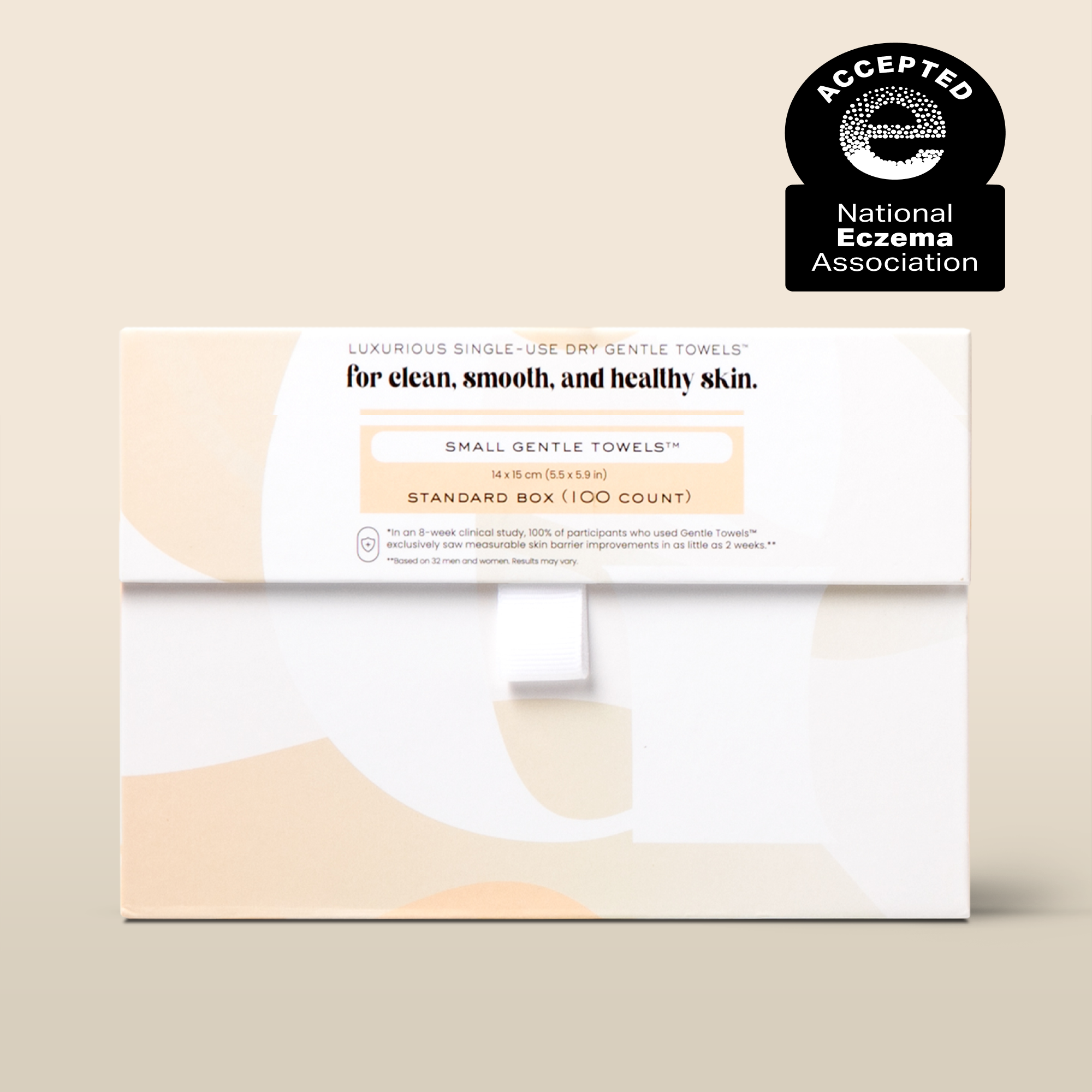
Dermatological testing adds another layer of cost. Reputable brands test their formulations on sensitive skin types to ensure they won't trigger reactions. This testing is expensive and time-consuming, but it's the difference between a product marketed as "gentle" and one proven to be gentle. Products accepted by the National Eczema Association, for example, have undergone rigorous evaluation.
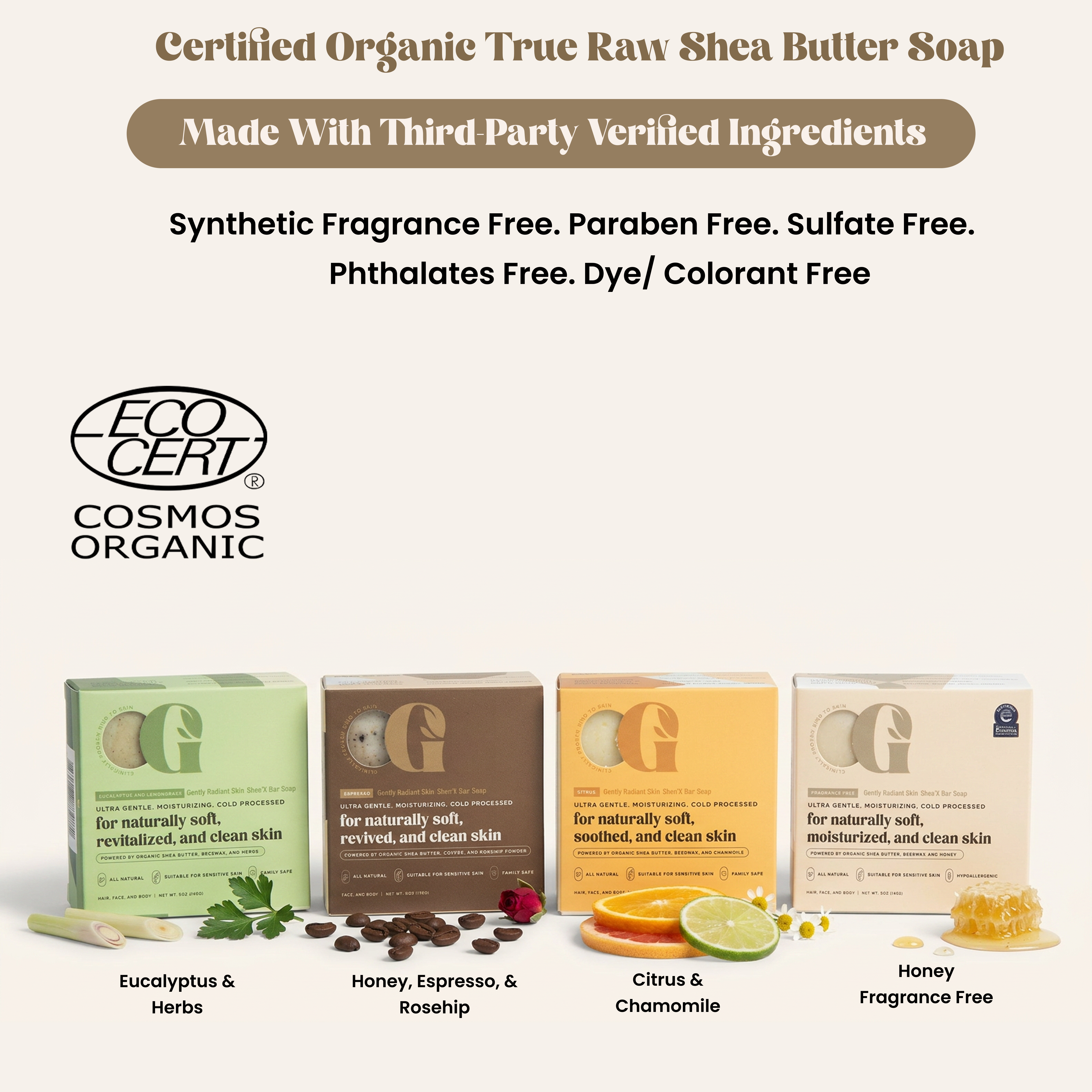
The SheaX line from Gently Radiant Skin demonstrates this commitment. Each bar is cold-processed with certified organic shea butter and purposeful botanicals, dermatologist-approved and pediatrician-approved for sensitive and reactive skin. This dual approval isn't cheap to obtain, it requires clinical testing and ongoing quality assurance.
Cold-Processed Manufacturing vs. Mass Production
Mass-produced soap uses heat to speed up saponification, the chemical process that converts oils and lye into soap (peer-reviewed research). Heat processing is fast and cheap. Cold-processed soap takes longer, typically 4-6 weeks, because the saponification happens at room temperature without external heat.
Why does this matter for your skin? Cold processing preserves glycerin, a natural humectant that draws moisture into the skin (peer-reviewed research). Mass-produced soaps strip out glycerin for use in other products, replacing it with cheaper synthetic moisturizers. Cold-processed soap retains this glycerin, which is why it feels less drying on sensitive skin.
Small-batch cold processing also allows for precise ingredient control. Manufacturers can add botanicals, essential oils, and specialty ingredients without them degrading from heat exposure. The result is soap with higher potency and better skin compatibility.
Benefits of Cold-Processed Soap: Longevity and Skin Health
Cold-processed organic soap delivers measurable benefits that justify the premium price. These benefits compound over time, making the cost-per-wash calculation significantly lower than it initially appears.
Glycerin Retention and Skin Barrier Protection
The skin barrier is a protective layer of lipids and proteins that keeps moisture in and irritants out. Synthetic surfactants found in conventional soap can damage this barrier, leaving skin feeling tight and requiring lotion immediately after washing. Cold-processed soap with retained glycerin strengthens the skin barrier instead.
Glycerin works by pulling water into the outer layer of skin, plumping it and improving elasticity. For people with eczema or chronic sensitivity, this effect is transformative. Many customers report that cold-processed organic soap eliminates the need for immediate post-shower lotion, a significant practical benefit that reduces overall skincare costs.
The skin barrier improvement happens gradually. Gently Radiant Skin's products are clinically tested to improve skin barrier in 2 weeks of consistent use. This isn't a marketing claim, it's a documented benefit of glycerin-rich formulations on sensitive skin types.
Cost-Per-Wash Calculation: The Real Comparison
Here's where organic soap worth the money becomes obvious. A $20 cold-processed bar lasts significantly longer than a $3 conventional bar.
A conventional bar typically yields 30-40 washes before it's too small to use. A cold-processed bar, which is denser and contains less water, yields 60-80 washes. That's a doubling of usable product.
The math:
- Conventional soap: $3 ÷ 35 washes = $0.09 per wash
- Organic cold-processed soap: $20 ÷ 70 washes = $0.29 per wash
At first glance, organic soap costs more per wash. But add the hidden costs of conventional soap: the lotion you need immediately after washing ($8-15 per bottle, lasting 2-3 months), the potential dermatologist visits for flare-ups, and the replacement bars you buy more frequently.
A realistic cost comparison over 6 months:
- Conventional soap ($3/bar, 35 washes): 5 bars = $15, plus lotion ($12) = $27 total
- Organic cold-processed soap ($20/bar, 70 washes): 3 bars = $60, no additional lotion needed = $60 total
The gap narrows considerably when you factor in skin health outcomes and eliminate the need for supplementary moisturizers.
Organic Soap vs Conventional Soap: Ingredient Impact on Skin
The ingredient differences between organic and conventional soap directly affect skin health, especially for sensitive or reactive skin types.
Synthetic Surfactants, Sulfates, and Parabens
Conventional mass-produced soap relies on synthetic surfactants to create lather and cleaning action. The most common are sulfates like sodium lauryl sulfate (SLS) and sodium laureth sulfate (SLES) (the FDA). These ingredients are effective cleaners but they strip natural oils from skin, leaving it dry and irritated.
Parabens are preservatives used in many conventional soaps to prevent bacterial growth. While regulatory agencies consider them safe in small amounts, they accumulate in the body over time and can disrupt hormone signaling. People with sensitive skin often react to parabens with redness, itching, or burning.
Organic soap avoids these ingredients entirely. Instead of synthetic surfactants, organic formulations rely on saponified oils, the natural result of combining oils and lye. Instead of parabens, they use natural preservation methods like salt, essential oils with antimicrobial properties, or simply formulate for stability without preservatives.
Natural Ingredients and Skin Sensitivity
Certified organic ingredients used in cold-processed soap include unrefined shea butter, coconut oil, olive oil, and botanical extracts. These aren't just marketing terms, they're functional ingredients with documented effects on skin.
Unrefined shea butter contains fatty acids and vitamins that nourish and protect skin. It's particularly effective for eczema-prone skin because it doesn't trigger the inflammatory response that conventional moisturizers sometimes do. Coconut oil has antimicrobial properties that help manage acne-prone skin without the harshness of salicylic acid.
Essential oils and botanical extracts like chamomile, licorice root, and sea buckthorn add therapeutic benefits. These ingredients are potent, they're why cold-processing matters. Heat would degrade their active compounds, making them less effective.
For people with chronic sensitivity, the difference between organic and conventional soap is often the difference between manageable and flare-prone skin.
Environmental Impact: What Biodegradability Actually Means
Organic soap worth the money also means making a choice that aligns with environmental values. Biodegradability is the key differentiator here.
Conventional soap contains synthetic surfactants and preservatives that don't fully biodegrade in wastewater treatment systems. They persist in aquatic environments, accumulating in fish and algae. Parabens and synthetic fragrances are particularly problematic, they don't break down naturally and can disrupt aquatic ecosystems.
Organic soap made from saponified natural oils biodegrades completely within weeks. The oils and botanicals are broken down by naturally occurring bacteria, returning harmlessly to the environment. This isn't a minor difference, it's the distinction between a product that leaves a trace and one that doesn't.
Sustainable sourcing of organic ingredients also matters. Certified organic farms use regenerative practices that improve soil health and sequester carbon. Small-batch manufacturers typically source locally or from fair-trade suppliers, reducing transportation emissions.
For eco-conscious families, organic soap worth the investment because it aligns purchasing decisions with environmental values, and actually delivers on those values, not just marketing claims.
Common Myths About Natural Soap Worth Debunking
Several misconceptions persist about organic and natural soap. Clarifying these myths helps explain why organic soap worth the money, and when it isn't.
Myth 1: "Natural soap doesn't clean as well as conventional soap." False. Saponified oils clean effectively through the same mechanism as synthetic surfactants, they break down oils and allow water to rinse them away. The perception of weaker cleaning often comes from the absence of harsh sulfates, which feel "squeaky clean" but are actually damaging skin. Cold-processed organic soap cleans thoroughly while preserving skin health.
Myth 2: "All 'natural' labels mean the same thing." False. "Natural" is unregulated marketing language. "Certified organic" is verified by third-party auditing. A soap labeled "natural" could contain synthetic fragrances, parabens, and conventional oils. Organic soap worth buying only if it carries USDA organic certification or equivalent third-party verification.
Myth 3: "Organic soap is just a luxury product for wealthy people." Partially true, but misleading. Organic soap costs more upfront, but the cost-per-wash and elimination of supplementary products make it accessible for many budgets. For people with eczema or chronic sensitivity, organic soap worth the money because it prevents expensive dermatology visits and reduces overall skincare spending.
Myth 4: "You need different soap for different body parts." Not necessarily. A single high-quality organic soap can work for face, body, and hands if it's formulated for sensitive skin. This simplicity is another hidden cost savings, you're buying one product instead of three.
Myth 5: "Handmade soap is always better than commercial organic soap." Not automatically. Handmade soap varies wildly in quality. Some artisans use excellent ingredients and proper cold-processing techniques. Others use cheap oils and minimal testing. Commercial organic brands like Gently Radiant Skin invest in dermatological testing and consistency that many small producers don't. The brand matters more than the production method.
Storage and Preservation: Extending Your Soap's Value
Proper storage is essential to maximizing the value of organic soap. Cold-processed soap contains more water than conventional soap, making it vulnerable to moisture and mold if stored incorrectly.
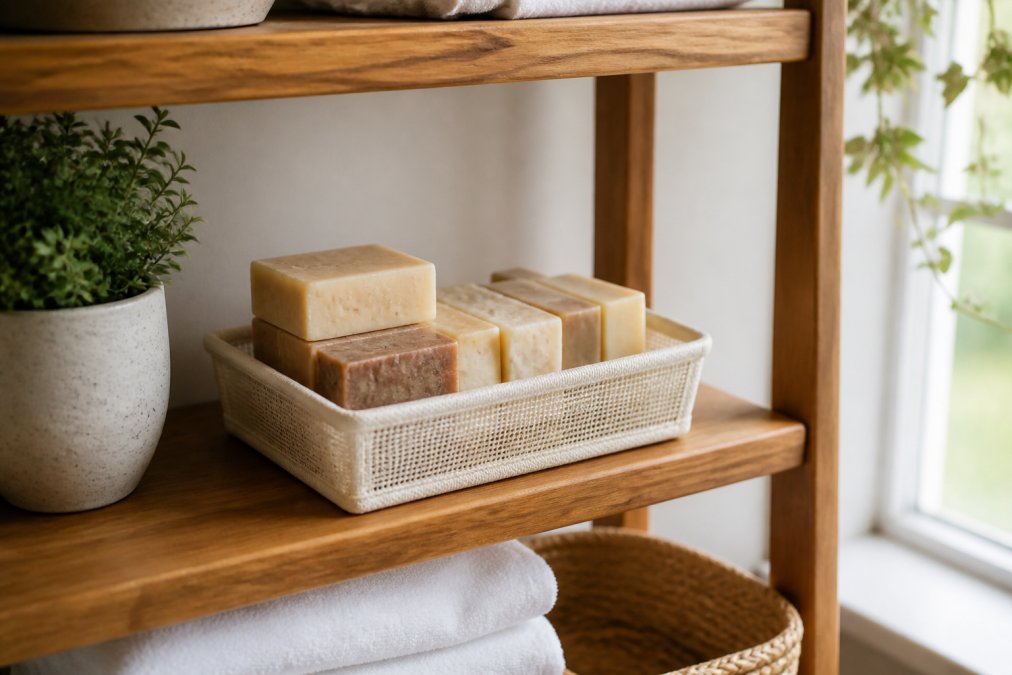
The ideal storage environment is cool, dry, and well-ventilated. A soap dish with drainage holes, not a sealed container, allows water to evaporate between uses. Bathroom shelves away from direct shower spray are better than shower caddies where soap sits in standing water.
Some people store unused bars in a cool closet or linen drawer to extend shelf life. Organic soap without synthetic preservatives has a natural shelf life of 1-2 years when stored properly. It won't spoil, but the beneficial botanicals and essential oils gradually oxidize, reducing potency.
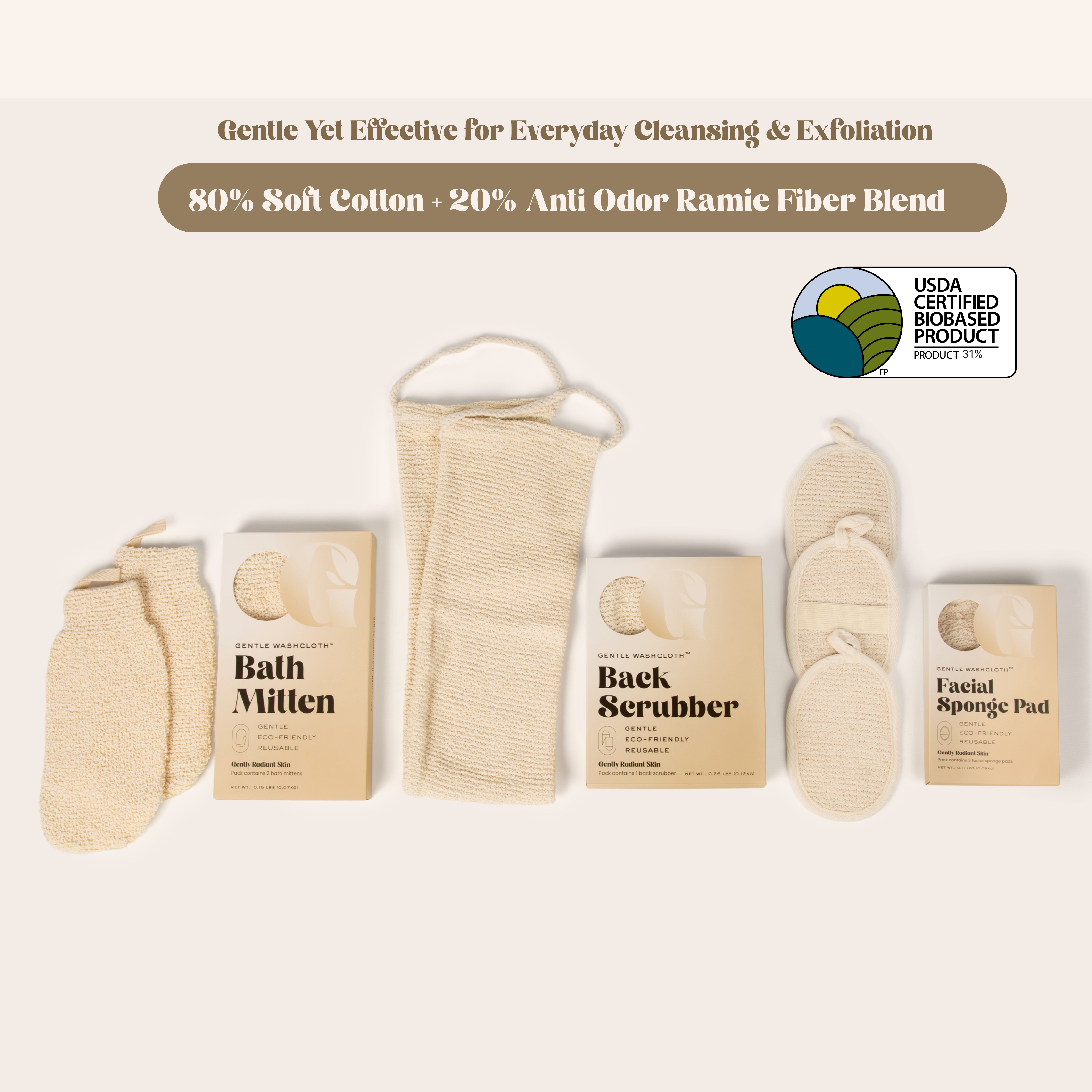
Using a washcloth or natural sponge instead of your hands also extends soap life. Washcloths create more lather, reducing the amount of soap needed per wash. This simple habit can add 10-15 additional washes to each bar.
For families with multiple people, individual soap bars prevent cross-contamination and allow each person to choose a formula suited to their skin type. The SheaX line includes options like SheaX™ Honey Fragrance Free Bar Soap for sensitive skin and SheaX™ Dead Sea Salt Bar Soap for exfoliation, making it easy to match soap to individual needs.


Choosing organic soap is ultimately a decision about what you value: ingredient transparency, skin health, environmental impact, or a combination of these. For families managing eczema or chronic sensitivity, organic soap worth the investment because it demonstrably improves skin barrier function and reduces flare-ups. For eco-conscious households, it aligns daily choices with environmental values. For anyone tired of the post-shower lotion routine, the elimination of that step saves time and money.
Gently Radiant Skin's SheaX line delivers on these promises through certified organic shea butter, cold-processed formulation, and dermatologist approval. Each bar is designed to soften and cleanse gently without compromising comfort, exactly what organic soap worth the money should do. SHOP SHEAX and experience the difference that thoughtful, intentional soap-making delivers to your daily ritual.
| Soap Type | Cost Per Wash | Skin Barrier Impact | Longevity | Best For |
|---|---|---|---|---|
| Conventional (mass-produced) | $0.09 | Strips natural oils | 30-40 washes | Budget-conscious, non-sensitive skin |
| Organic cold-processed | $0.29 | Strengthens with glycerin | 60-80 washes | Sensitive skin, eczema, eco-conscious users |
| Artisan handmade (variable) | $0.15-$0.40 | Varies widely | 40-70 washes | Specific skin needs, premium experience |
Frequently Asked Questions
Q: Is organic soap actually worth the extra cost compared to conventional soap?
A: Organic soap costs more per bar but delivers better value per wash. Cold-processed organic soaps like SheaX last longer than mass-produced bars because they retain glycerin and maintain skin barrier integrity. For sensitive skin, the dermatological benefits, reduced irritation, fewer flare-ups, less need for additional moisturizer, offset the upfront price. A $20 bar of SheaX™ Bar Soap provides a soft, comfortable feel without needing immediate lotion, making it a worthwhile investment.
Q: What are the main benefits of cold-processed soap for sensitive skin?
A: Cold-processed soap retains natural glycerin that conventional manufacturing removes, preserving the skin barrier and preventing irritation. The lower heat process prevents damage to beneficial plant compounds and essential oils, maintaining their therapeutic properties. For eczema-prone and reactive skin, this means fewer flare-ups, calmer sensitive skin, and reduced dependence on lotion. Clinical testing shows skin barrier improvement within 2 weeks of switching to cold-processed formulations.
Q: How do I know if an organic soap is truly organic and not just marketing?
A: Look for USDA certification labels and ingredient transparency. Genuine organic soaps list certified organic oils, butters, and botanicals, not 'natural fragrance' or vague ingredients. Avoid terms like 'chemical-free' (misleading marketing) and 'natural' alone (unregulated). Dermatologist and pediatrician approval signals clinical testing. Check if the brand is accepted by the National Eczema Association, indicating independent validation for sensitive skin claims.
Q: Will switching to organic soap actually make a difference for my family's different skin types?
A: Yes. Organic cold-processed soaps work across skin types because they're formulated around skin barrier health, not masking problems. Eczema-prone skin benefits from glycerin retention and absence of irritants. Acne-prone skin benefits from the absence of pore-clogging synthetics and can see reduced appearance of blemishes by week 8. Sensitive skin across the board responds to the absence of sulfates and parabens. One quality organic bar serves multiple skin needs better than separate conventional products.
This article was written using GrandRanker