


Dermatologist Tips for Reactive Skin Cleansing
Table of Contents
- Understanding Reactive Skin and Your Skin Barrier
- Signs of a Damaged Skin Barrier and Why It Matters
- The Science of pH-Balanced Cleansing for Reactive Skin
- How to Remove Makeup Without Scrubbing: A Gentle Approach
- Essential Cleansing Steps for Reactive Skin
- How to Patch Test Skincare Products Before Full Use
- Ingredients to Avoid and Why They Trigger Reactivity
- Building a Reactive Skin Cleansing Routine That Works
- Frequently Asked Questions
Last Updated: September 17, 2026
Understanding Reactive Skin and Your Skin Barrier
Reactive skin cleansing requires a fundamentally different approach than standard routines. Your skin barrier, the outermost layer that protects against environmental stressors, becomes compromised when exposed to harsh cleansing methods, stripping away natural oils and disrupting the delicate balance that keeps irritation at bay.
What Makes Skin Reactive
Reactive skin isn't a diagnosis; it's a condition where your skin responds with visible inflammation, redness, or sensitivity to products or environmental triggers that don't affect others. This reactivity stems from a weakened skin barrier that can't effectively filter out irritants or retain moisture. Common triggers include temperature extremes, fragrances, certain surfactants, and even mechanical friction from aggressive cleansing.
Understanding what triggers your specific reactivity is the first step. Some people react to fragrance compounds, others to foaming agents or alcohol-based formulations. Reactive skin often improves dramatically once the cleansing routine itself becomes gentler, before adding any treatment products.
The Role of the Acid Mantle
Your skin's acid mantle is a thin, slightly acidic layer that maintains pH balance and protects against bacterial overgrowth. This protective layer has a pH of around 4.5 to 5.5, which is naturally acidic. When you cleanse with products that are too alkaline (basic), you disrupt this delicate environment, leaving skin vulnerable to inflammation and irritation.
Most conventional soaps are highly alkaline, with pH levels around 9 to 10. This mismatch triggers the skin to overcompensate, often leading to increased oil production or heightened sensitivity. A pH-balanced cleanser respects the acid mantle and reduces the inflammatory cascade that reactive skin experiences.
Signs of a Damaged Skin Barrier and Why It Matters
A compromised skin barrier shows itself through persistent tightness, visible redness, increased sensitivity to products you previously tolerated, and a persistent need for heavy moisturizing despite regular application. You might notice that your skin feels uncomfortable immediately after cleansing, or that it becomes reactive to temperature changes, wind, or even light touch.
The consequences of ignoring barrier damage extend beyond discomfort. A weakened barrier allows transepidermal water loss, moisture escaping through the skin surface, which accelerates aging and deepens existing issues like eczema or rosacea-prone conditions. Reactive skin that isn't properly cleansed can spiral into a cycle where inflammation begets more reactivity, requiring increasingly aggressive treatments to manage.
The good news: barrier repair begins with cleansing technique and product selection. Most people see measurable improvement within two weeks of switching to a gentle, pH-balanced reactive skin cleansing routine.
The Science of pH-Balanced Cleansing for Reactive Skin
pH balance is non-negotiable for reactive skin. A cleanser with a pH between 4.5 and 7 (slightly acidic to neutral) maintains the acid mantle instead of disrupting it. This prevents the inflammatory response that alkaline cleansers trigger.
When you use a pH-balanced product, your skin doesn't need to work to restore its protective layer. This reduces the irritation cascade and gives your barrier time to heal.
How to Remove Makeup Without Scrubbing: A Gentle Approach
Makeup removal is where most people unknowingly damage reactive skin. Scrubbing, rubbing, or using friction-based methods tears at the already-compromised barrier and triggers inflammation.
Essential Cleansing Steps for Reactive Skin
Step 1: Choose Fragrance-Free, Lipid-Free Cleansers
Fragrance is one of the most common triggers for reactive skin. Even "natural" fragrances, essential oils and botanical extracts, can trigger inflammation in sensitive skin. Fragrance-free cleansers eliminate this variable entirely.
Step 2: Use Lukewarm Water and Avoid Hot Showers
Water temperature directly affects skin reactivity. Hot water opens pores and increases transepidermal water loss, leaving reactive skin more vulnerable to irritation. It also triggers temporary vasodilation (blood vessel expansion), which appears as flushing or redness.
Step 3: Apply with Gentle Pressure, Not Friction
This is where technique matters most. Apply your cleanser using only your fingertips, never a washcloth or brush. The pressure should be so light that if you were touching someone else's face, they would barely feel it. Move in upward and outward motions rather than aggressive circles.
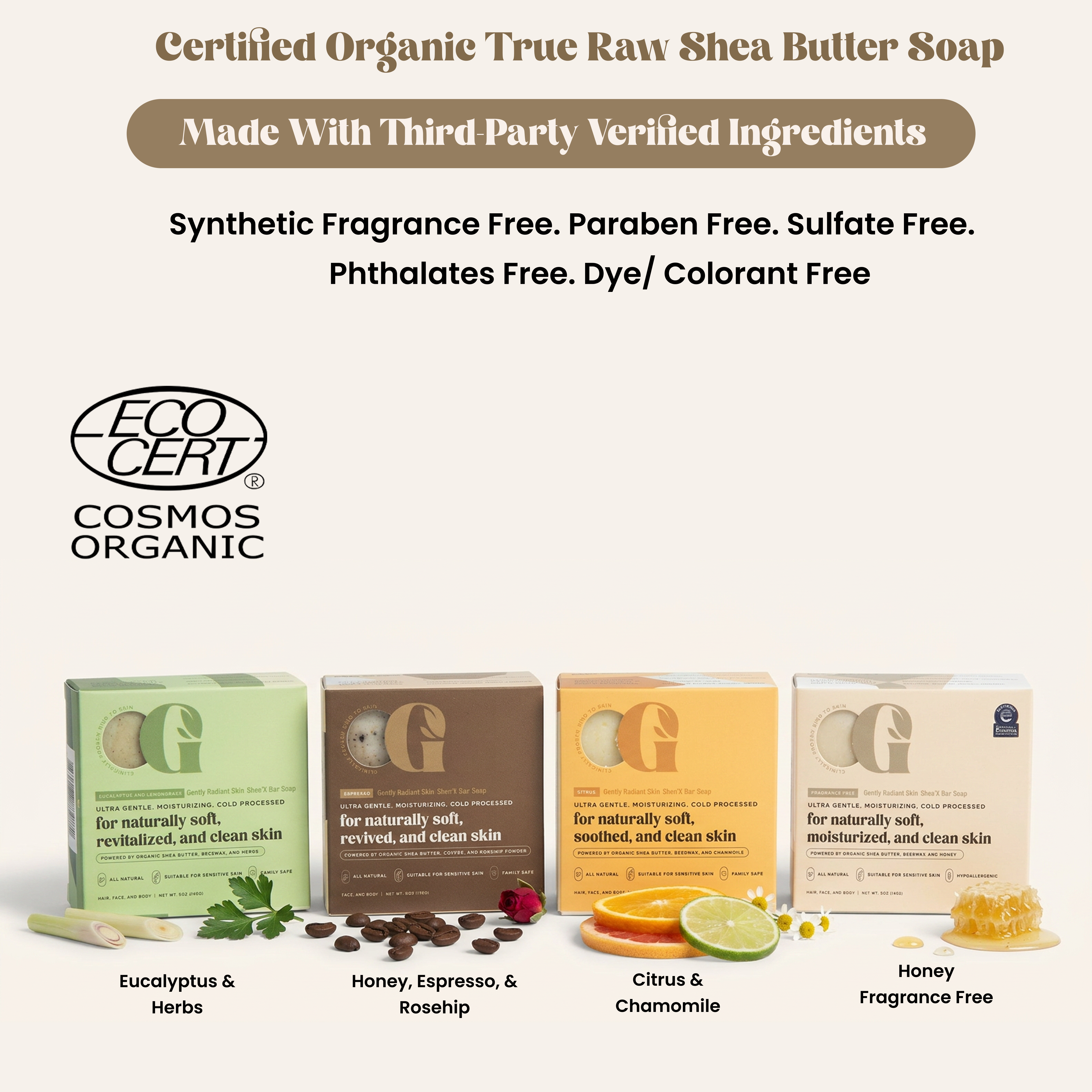
5oz SheaX™ Honey Fragrance Free Bar Soap →
Step 4: Pat Dry and Moisturize Immediately
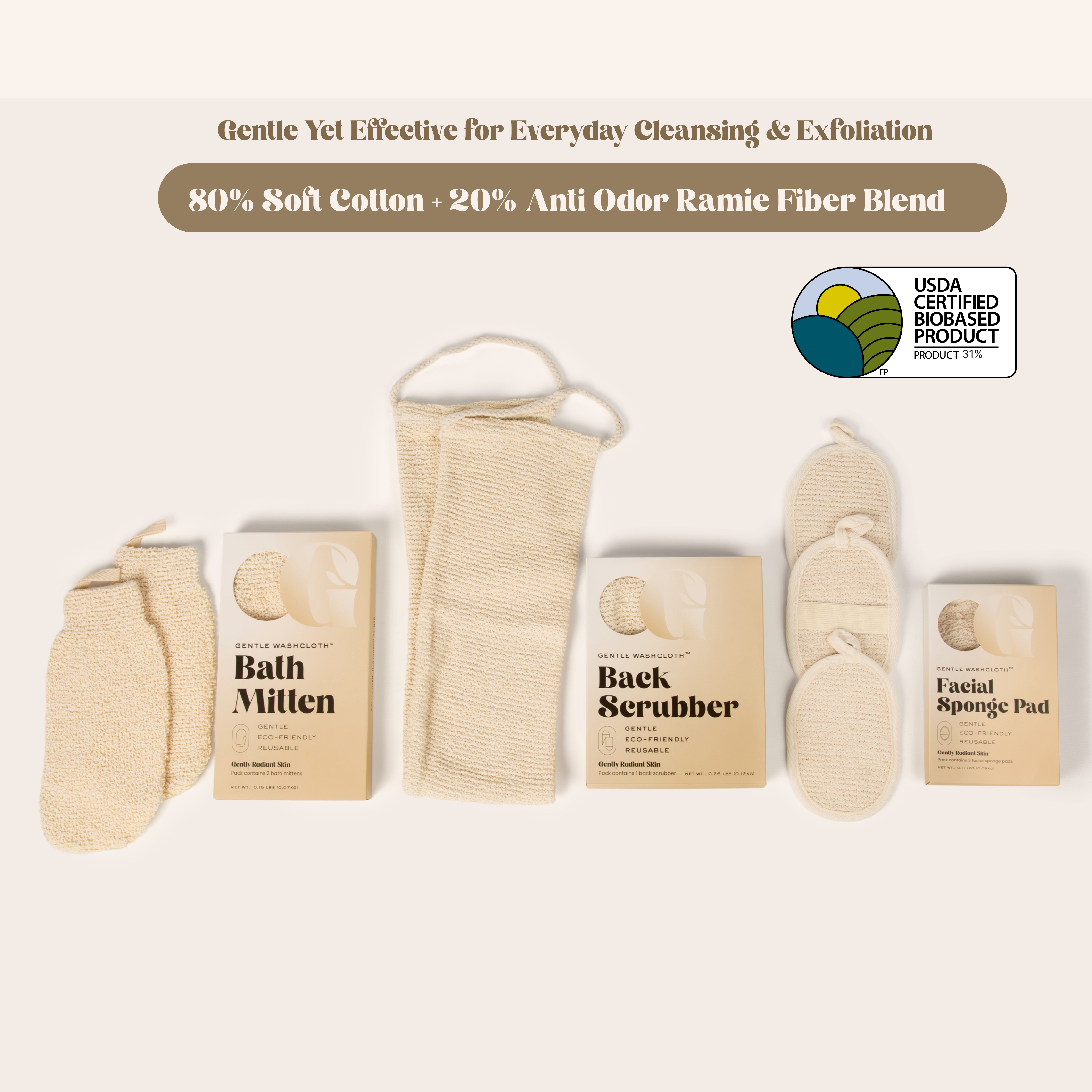
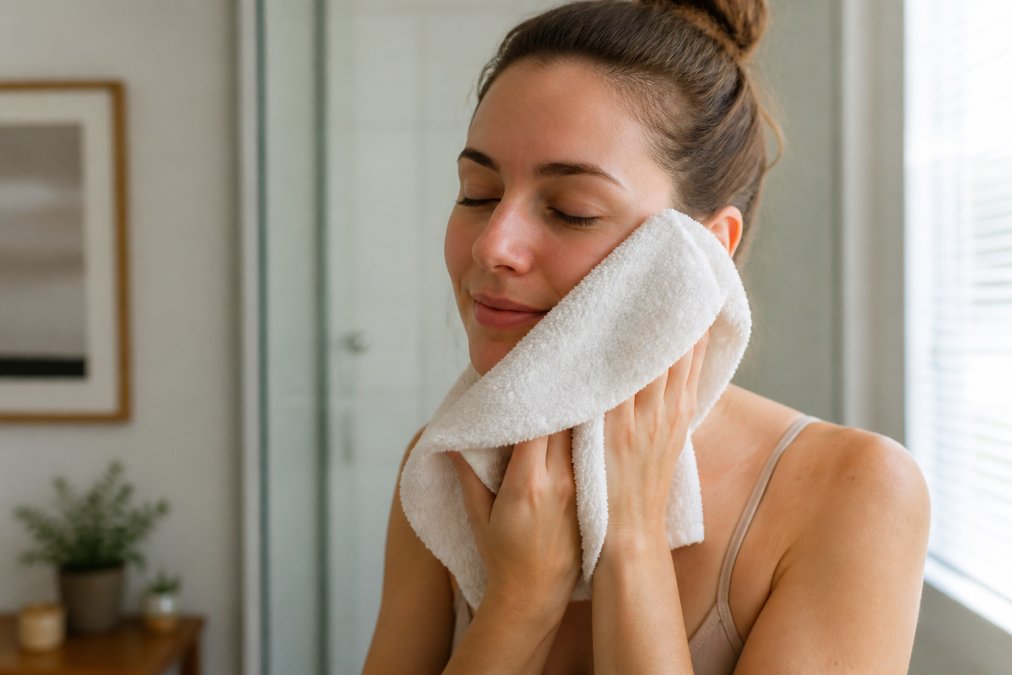
After rinsing, don't rub your face with a towel. Instead, gently pat skin dry with a clean, soft cloth. Rubbing, even with a soft towel, creates friction that irritates reactive skin.
How to Patch Test Skincare Products Before Full Use
Even gentle products can trigger reactivity in susceptible skin. Patch testing prevents full-face reactions and helps you identify which specific ingredients or formulations work for your skin.
Ingredients to Avoid and Why They Trigger Reactivity
Harsh Surfactants and Foaming Agents
Surfactants are the cleansing agents in any cleanser. Some surfactants are gentle; others are extremely harsh. Sodium lauryl sulfate (SLS) and sodium laureth sulfate (SLES) are common in drugstore cleansers because they create abundant foam and are inexpensive. However, they strip the skin barrier aggressively, leaving reactive skin inflamed and compromised.
Fragrance and Alcohol-Based Formulations
Fragrance, whether synthetic or natural, is a known irritant for reactive skin. Alcohol acts as a drying agent and penetration enhancer, meaning it can drive other irritating ingredients deeper into the skin. Even "alcohol denat" (denatured alcohol) used in small amounts can trigger sensitivity in reactive skin.
Building a Reactive Skin Cleansing Routine That Works
Morning Cleansing Ritual
Morning cleansing should be minimal. Your skin hasn't accumulated a full day of environmental debris, so a quick rinse with lukewarm water and a gentle cleanser is sufficient. Apply your cleanser for 20 to 30 seconds, focusing on the T-zone where oil naturally accumulates overnight.
Evening Cleansing Ritual
| Cleansing Step | Best Practice | Why It Matters |
|---|---|---|
| Water temperature | Lukewarm (80-90°F) | Prevents barrier disruption and inflammation |
| Product type | Fragrance-free, lipid-free | Eliminates common triggers |
| Application | Gentle fingertip pressure only | Avoids mechanical irritation |
| Drying | Pat gently with soft towel | Prevents friction damage |
| Timing | Moisturize within 60 seconds | Seals hydration while skin is damp |
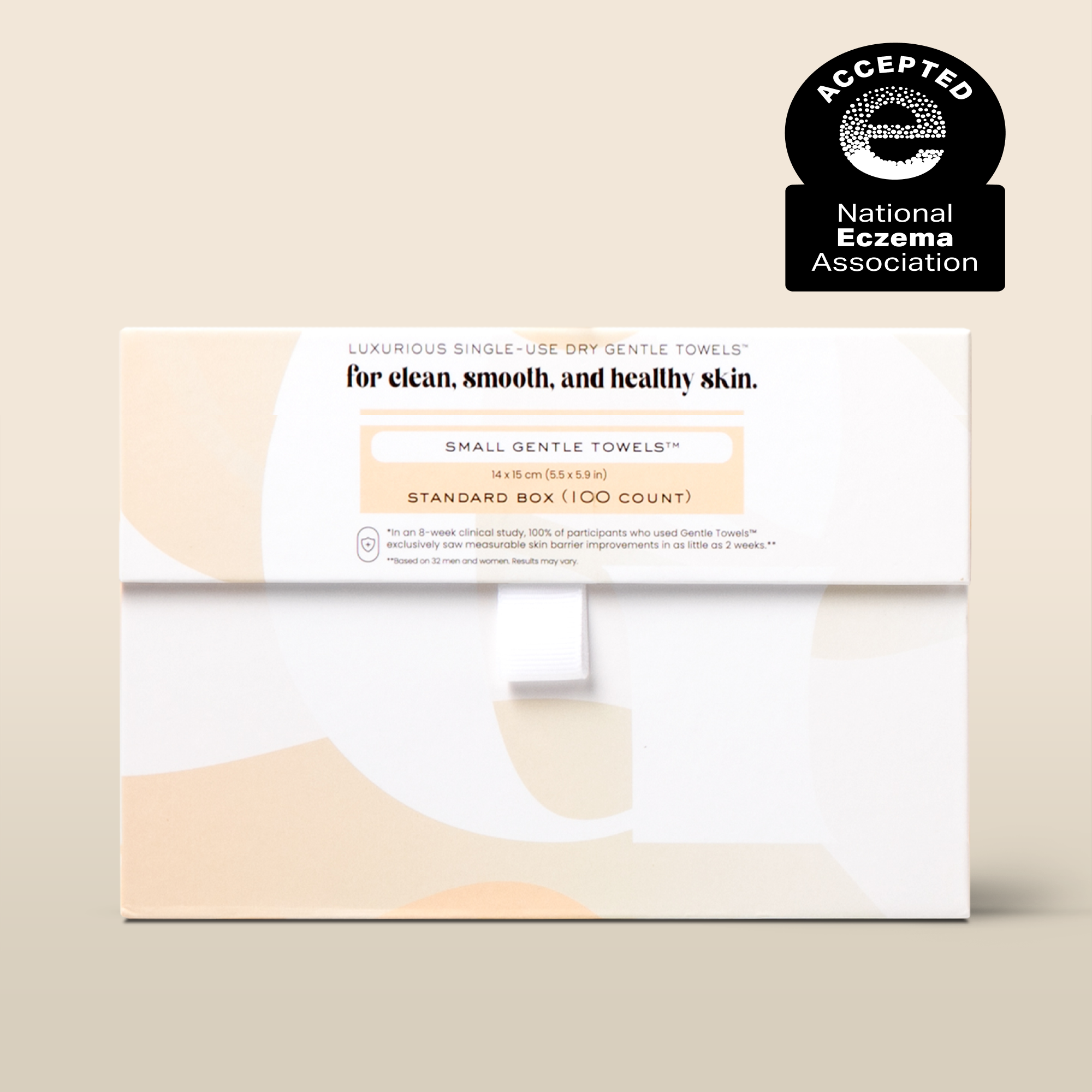
According to the National Eczema Association's skincare guidance, fragrance-free products are the foundation of any reactive skin routine. The organization specifically recognizes products that meet strict sensitivity standards, which is why dermatologist-approved formulations matter.
Frequently Asked Questions
What is the best dermatologist-recommended cleanser for reactive skin cleansing?
Dermatologists recommend fragrance-free, lipid-free cleansers that maintain the skin barrier's pH balance (around 4.5-5.5). Look for products labeled hypoallergenic and soap-free, as they avoid harsh surfactants that strip the acid mantle. Cold-processed organic formulations, like the SheaX Honey Fragrance Free Bar Soap, are clinically tested and dermatologist-approved for sensitive and reactive skin, providing gentle cleansing without irritation.
How often should you wash reactive skin to avoid further irritation?
Wash reactive skin twice daily: once in the morning and once in the evening. Over-cleansing strips the skin barrier and increases transepidermal water loss, worsening inflammation and erythema. Use gentle, lukewarm water and avoid hot showers, which further compromise the acid mantle. If your skin feels tight or irritated after cleansing, you may be over-washing or using water that is too hot.
What are signs of a damaged skin barrier, and how does cleansing affect it?
A damaged skin barrier shows redness (erythema), persistent dryness, increased sensitivity to products, itching, and a tight feeling. Harsh cleansing accelerates barrier damage by removing lipids and disrupting the acid mantle. Reactive skin cleansing should restore, not damage, the barrier. Using pH-balanced, fragrance-free products and proper technique helps repair the barrier within 2 weeks, reducing inflammation and improving hydration.
How do I know if a new product will trigger my reactive skin before using it on my face?
Patch test any new product on a small area behind your ear or on your inner arm for 24-48 hours before applying to your face. Watch for redness, itching, or burning. If no reaction occurs, apply a small amount to your jawline for 3-5 days. For reactive skin, this protocol is essential because even 'gentle' products can cause flare-ups. Always introduce one new product at a time so you can identify the trigger if a reaction occurs.
Can hard water affect reactive skin, and how should I adjust my cleansing routine?
Hard water contains minerals that deposit on the skin and interfere with the skin barrier, worsening reactivity and inflammation. If you have hard water, consider using a water softener or installing a shower filter. Alternatively, rinse your face with distilled or filtered water after cleansing. This simple adjustment removes mineral buildup and prevents additional barrier stress, especially important for eczema-prone and dermatitis-sensitive skin.
Is double cleansing safe for reactive skin, or will it cause more irritation?
Double cleansing can be safe for reactive skin if done correctly: first use a gentle oil-based cleanser or cleansing balm to remove makeup and sunscreen without scrubbing, then follow with a fragrance-free, pH-balanced cleanser. The key is using minimal pressure and avoiding harsh surfactants. This approach removes impurities without stripping the barrier. Ensure both products are hypoallergenic and clinically tested for sensitive skin to prevent inflammation.
What role do humectants and emollients play in cleansing reactive skin?
Humectants (like glycerin) draw moisture into the skin, while emollients (like shea butter) seal that moisture and repair the barrier. A good reactive skin cleanser contains both to prevent transepidermal water loss during and after cleansing. Cold-processed shea butter products naturally deliver these ingredients, improving skin hydration and reducing erythema. This combination supports barrier repair and calms reactive skin more effectively than stripping cleansers alone.