


How to Remove Makeup Without Scrubbing
Table of Contents
- Why Scrubbing Damages Your Skin Barrier
- Step-by-Step: How to Remove Makeup Without Scrubbing
- How to Remove Waterproof Mascara Without Rubbing
- Double Cleansing Method Benefits for Gentle Makeup Removal
- Best Makeup Remover for Sensitive Skin: What to Look For
- Skin-Type Protocols: Remove Makeup the Right Way for Your Skin
- Sustainable and Natural Alternatives to Makeup Wipes
- Conclusion
Last Updated: August 24, 2026
Most people scrub their face clean without thinking twice about it. But if you want to know how to remove makeup without scrubbing, the real answer is that the scrubbing itself is the problem. At Gently Radiant Skin, we work with families and individuals who've spent years unknowingly damaging their skin barrier in the name of getting clean. Below, we'll show you exactly how to dissolve, lift, and rinse away makeup using techniques that protect your skin instead of fighting it.
The skin barrier is not a surface you can scrub and rebuild overnight. Repeated friction thins it, disrupts its pH balance, and opens the door to irritation, redness, and pore congestion. The good news is that chemistry does the work scrubbing never could.
Why Scrubbing Damages Your Skin Barrier
Friction is the enemy of a healthy skin barrier. The outermost layer of skin, the stratum corneum, is a tightly organized structure of cells and lipids that keeps moisture in and irritants out. When you scrub to remove makeup, you physically disrupt that structure, stripping away the natural oils that hold it together.
The result is a compromised barrier that becomes reactive to almost everything: cleansers, environmental pollutants, even plain water. For people with eczema-prone or sensitive skin, this damage compounds quickly. A common mistake is mistaking the sensation of scrubbing for effectiveness. Makeup bonds chemically, not mechanically. The only thing that reliably breaks that bond is a cleanser formulated to emulsify oils and dissolve pigments. Friction adds irritation without adding cleaning power.
As documented in National Eczema Association guidance on skin barrier care, maintaining the integrity of the skin barrier is central to managing sensitive and eczema-prone skin. Your technique matters as much as your product. Gentle pressure, slow circular motions, and adequate soak time replace the need for any friction at all.
Step-by-Step: How to Remove Makeup Without Scrubbing
The core principle is simple: soften the makeup before you try to move it. Attempting to wipe away foundation or mascara on dry skin forces people to scrub. Introduce the right cleanser first, give it time to work, and the makeup lifts without resistance.
Step 1: Soak and Soften First
Apply a cleansing oil, cleansing balm, or oil-based cleanser directly to dry skin. Water repels oil, so applying a water-based product before an oil cleanser reduces its ability to penetrate and dissolve makeup.
Massage gently for 30 to 60 seconds using slow, circular motions. You're giving the oil time to emulsify the makeup and lift it away from the skin. The warmth of your hands helps. If you're using a cleansing balm, it will melt on contact and begin dissolving heavy makeup, including waterproof formulas, almost immediately.
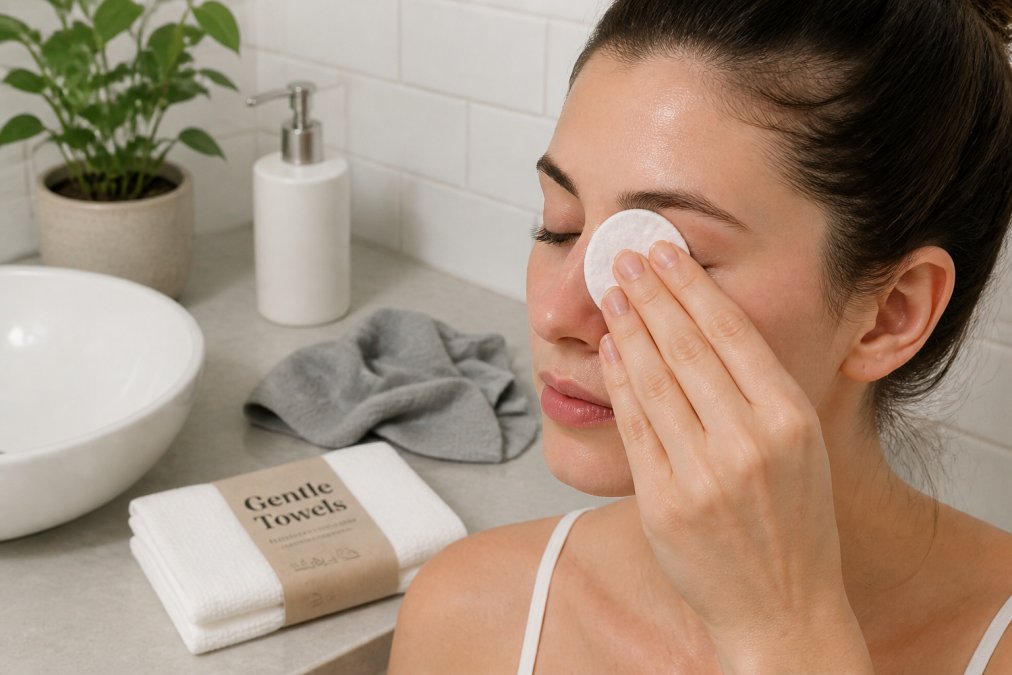
For eye makeup, press a cotton pad soaked in oil cleanser against the lids and lashes. Hold it in place for 10 seconds. The mascara and liner will slide off with almost no movement required.
Step 2: Let Your Cleanser Do the Work
After massaging the oil cleanser across your face, add a small amount of warm water. This triggers emulsification, the oil cleanser binds to water and turns milky, pulling the dissolved makeup residue away from the skin as it rinses.
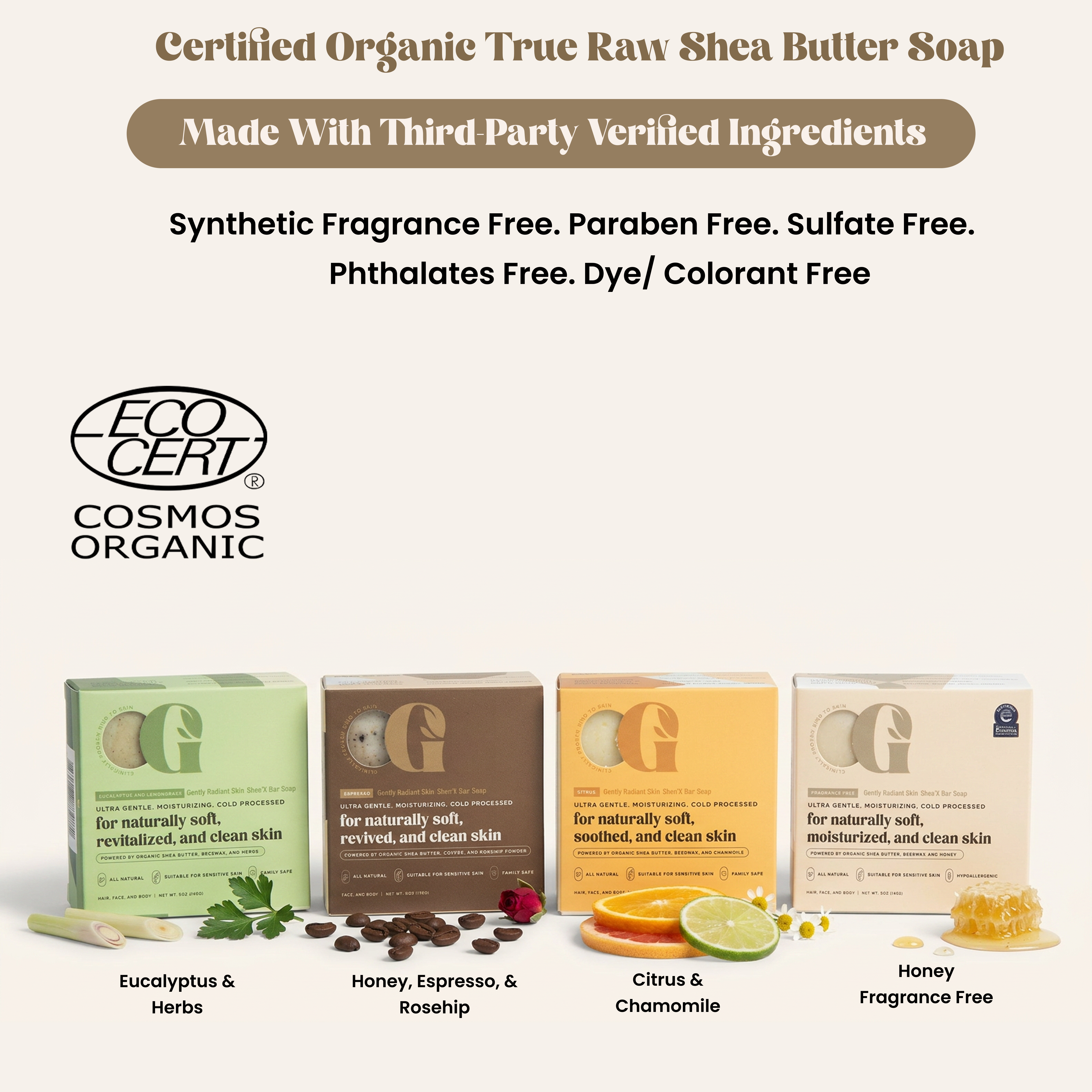
If you're double cleansing, apply your second cleanser now. A gentle, surfactant-based cleanser or mild soap removes any remaining oil and makeup residue without stripping the skin. The 5oz SheaX™ Bar Soap is designed exactly for this step: cold-processed with unrefined raw shea butter, it cleanses gently and effectively without compromising comfort. Work the second cleanser in with your fingertips using gentle circular motions, and give it 20 to 30 seconds of contact time.

Step 3: Rinse and Pat Dry
Rinse with lukewarm water. Hot water disrupts the skin's natural oil balance and can trigger redness in sensitive skin. Cold water doesn't open the pores enough to flush out residue effectively.
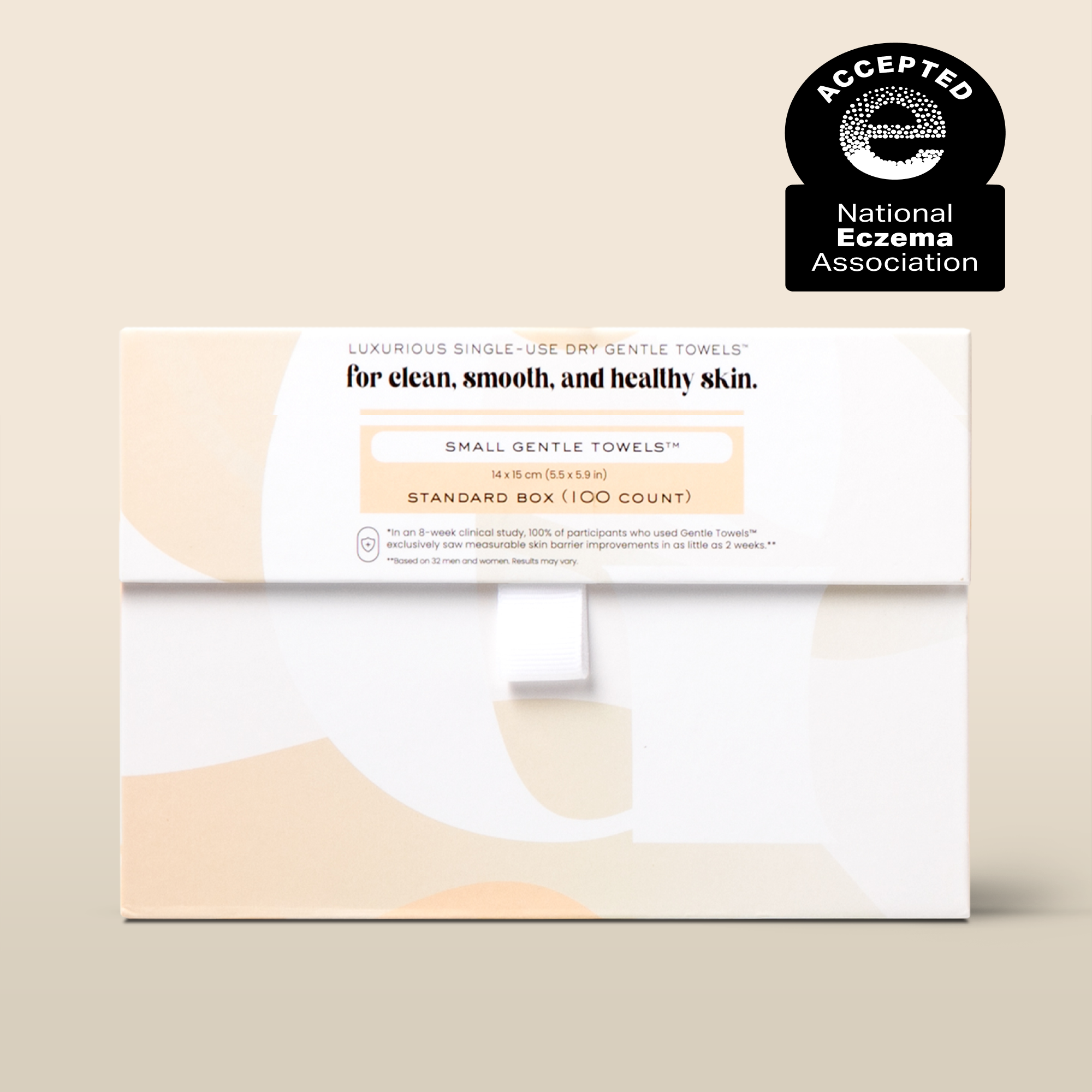
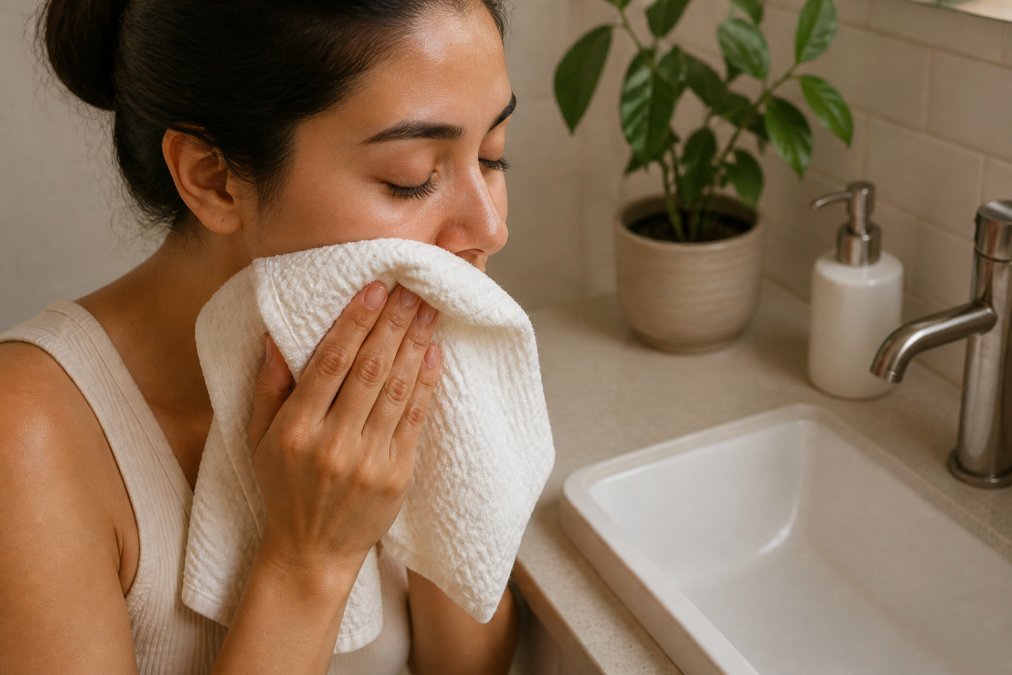
Pat dry with a clean, ultra-soft towel. Do not rub. The Gentle Towels from Gently Radiant Skin are clinically tested, fragrance-free, and accepted by the National Eczema Association. They're designed to absorb moisture without creating friction. Rubbing with a rough towel after a careful cleanse undoes some of the work you just did.

How to Remove Waterproof Mascara Without Rubbing
Waterproof mascara is formulated to resist water, sweat, and humidity. Most people tug and pull at the lash line until the mascara comes off, along with several lashes and skin integrity.
The right approach is oil. Waterproof mascara is oil-soluble, which means an oil cleanser or non-comedogenic jojoba oil will dissolve it completely without any rubbing required.
Here's the specific technique:
- Saturate a cotton pad with oil cleanser, micellar water with an oil base, or pure jojoba oil
- Press the pad gently against your closed eye, resting it on the lashes for 10 to 15 seconds
- Without rubbing, slide the pad downward once in a slow, controlled motion
- Repeat with a fresh pad if any residue remains
- Rinse the eye area with lukewarm water and pat dry
The soak time is what replaces the rubbing. Most waterproof formulas release completely after 10 to 15 seconds of contact with an oil-based remover.
Double Cleansing Method Benefits for Gentle Makeup Removal
The double cleansing method is the most effective technique for complete makeup removal without scrubbing. An oil-based first cleanse dissolves makeup and sunscreen, and a water-based second cleanse removes any remaining residue and cleanses the skin itself.
Each cleanser does a specific job. Oil cleansers dissolve makeup; water-based cleansers deep-clean skin. Combining them in sequence gives you complete removal with minimal friction and no need to compensate with pressure.
Many people find that their skin feels cleaner, less congested, and more receptive to serums and moisturizers after adopting this routine. Pore congestion from incomplete makeup removal is a common contributor to breakouts, particularly along the chin and forehead.
According to American Academy of Dermatology guidance on cleansing routines, using a gentle cleanser that doesn't strip the skin's natural oils is a core recommendation for maintaining skin health across all skin types.
The double cleanse is not necessary every day. If you're not wearing makeup or sunscreen, a single gentle cleanse is sufficient. Reserve the two-step method for days when you've worn full coverage foundation, heavy eye makeup, or long-wear products.
| Step | Cleanser Type | Purpose | Technique |
|---|---|---|---|
| First cleanse | Oil cleanser or cleansing balm | Dissolve makeup and sunscreen | Massage on dry skin, 30-60 seconds |
| Second cleanse | Gentle surfactant or bar soap | Remove residue, cleanse skin | Fingertips, lukewarm water rinse |
| Dry | Ultra-soft facial towel | Remove moisture without friction | Pat, never rub |
Best Makeup Remover for Sensitive Skin: What to Look For
The best makeup remover for sensitive skin dissolves makeup through chemistry rather than requiring friction to compensate for weak formulation.
Fragrance-free is non-negotiable. Fragrance is one of the most common triggers of contact dermatitis and skin sensitivity. Check the ingredient list, not just the marketing language.
Non-comedogenic formulas matter for anyone prone to clogged pores. Look for lightweight oils like jojoba oil, which closely mimics the skin's own sebum and is less likely to cause congestion.
Dermatologist-recommended or clinically tested claims carry more weight when backed by third-party testing. The National Eczema Association's Seal of Acceptance is one of the most reliable indicators that a product has been evaluated for sensitive skin safety.
pH-balanced formulas support the skin's natural acid mantle. The skin's surface sits at a mildly acidic pH, and cleansers that are too alkaline disrupt this balance, leaving skin feeling tight and prone to irritation.
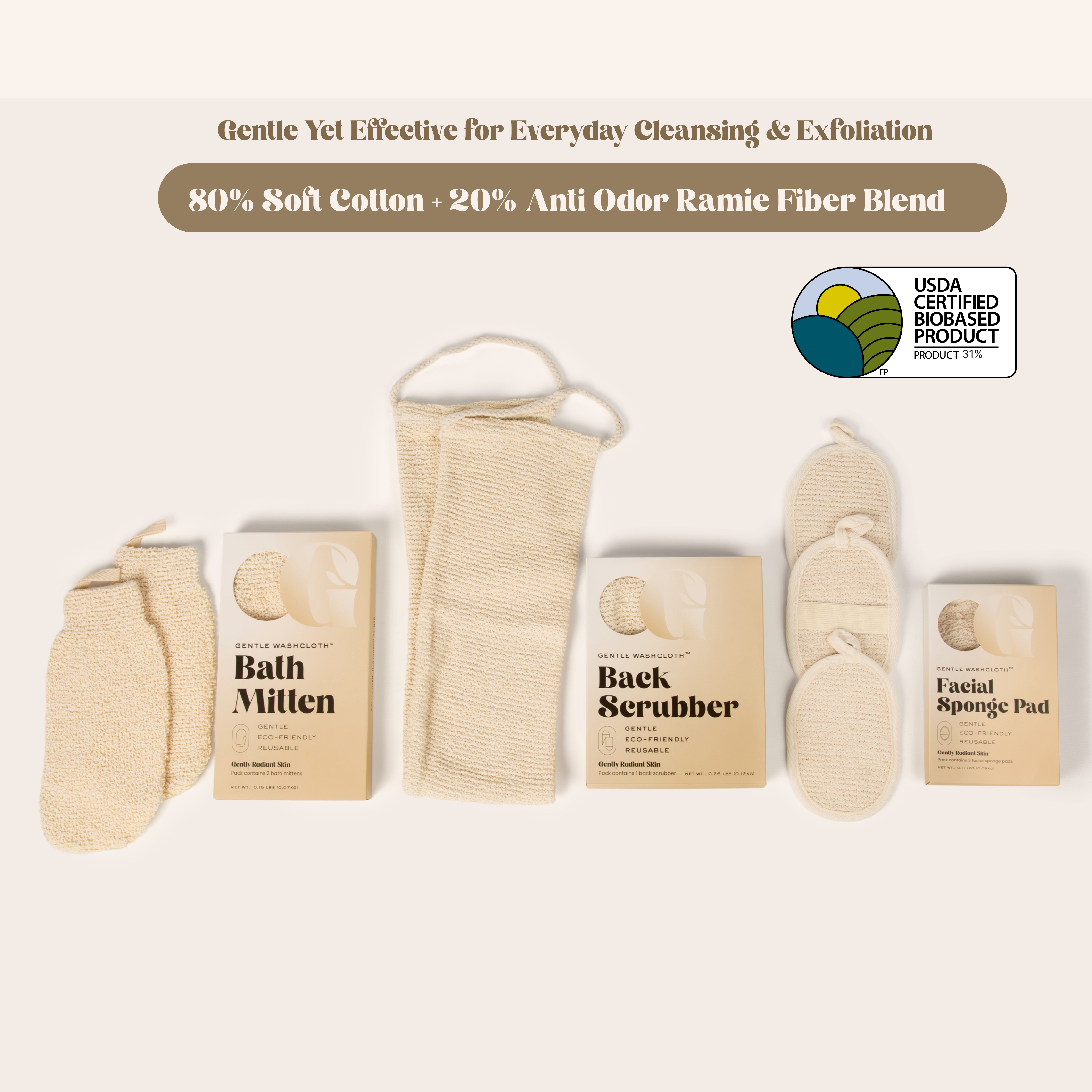
The application tool matters as much as the cleanser itself. A microfiber cloth or ultra-soft facial towel removes residue with far less friction than a standard cotton washcloth. The Gentle Washcloth Collection from Gently Radiant Skin is made from a USDA certified biobased cotton and ramie fiber blend, designed to provide smooth, controlled cleansing and light exfoliation.

Skin-Type Protocols: Remove Makeup the Right Way for Your Skin
A single technique doesn't serve every skin type equally. The right protocol depends on your skin's specific vulnerabilities and tendencies.
Eczema-Prone and Reactive Skin
Eczema-prone skin has a compromised barrier to begin with. The priority is minimizing any additional disruption. Use a fragrance-free, oil-based cleanser as a first step, applied with fingertips only. Avoid washcloths with any texture. Pat dry immediately after rinsing, and apply a fragrance-free moisturizer while the skin is still slightly damp to lock in hydration.
The 5oz SheaX™ Bar Soap is formulated specifically for this skin type. Avoid micellar water as a standalone remover for eczema-prone skin unless it's specifically formulated without alcohol or fragrance.
Acne-Prone Skin
Acne-prone skin needs thorough makeup removal to prevent pore congestion, but it's also easily irritated by over-cleansing. The double cleansing method works well here, with a lightweight, non-comedogenic oil cleanser in the first step and a gentle, non-stripping cleanser in the second.
Avoid heavy balms or cleansing oils that don't emulsify fully with water. Jojoba oil is a reliable choice for the first cleanse because it's non-comedogenic and rinses cleanly. Single-use facial towels are worth considering for this skin type, as reusing washcloths introduces bacteria back to the skin.
Dry and Mature Skin
Dry and mature skin benefits most from oil-rich cleansing because the oils support skin hydration during the cleansing process itself. A rich cleansing balm or shea butter-based bar soap cleanses without stripping, leaving the skin soft rather than tight.
Avoid foam cleansers or anything with a high surfactant concentration. These formulas strip oil, which is exactly what dry skin cannot afford to lose. Lukewarm water and a very gentle pat-dry are especially important for mature skin, which loses elasticity and moisture more readily than younger skin.
Sustainable and Natural Alternatives to Makeup Wipes
Makeup wipes are convenient, but they come with real costs. Most wipes are single-use synthetic materials that end up in landfills. Many also contain preservatives and fragrance that irritate sensitive skin. And from a technique standpoint, wiping is friction by design.
As noted by EPA guidance on sustainable consumer product choices, reducing single-use disposable products is one of the most accessible ways to lower household waste impact. Reusable cleansing tools are a direct alternative.
Reusable microfiber cloths remove makeup effectively when dampened with warm water or a gentle cleanser and generate significantly less waste over time.
Cleansing balms with reusable muslin cloths are a common pairing in sustainable skincare routines. The balm dissolves makeup, and the damp muslin cloth removes the emulsified residue with minimal friction.
Oil cleansing with natural oils like jojoba oil or olive oil is one of the most sustainable options available. These oils are biodegradable, widely available, and effective at dissolving both everyday and waterproof makeup.
Washcloth collections made from certified biobased fibers bridge the gap between sustainability and performance. The Gentle Washcloth Collection uses a USDA certified biobased cotton and ramie fiber blend, sourced from renewable plant-based origins rather than synthetic petroleum-based fibers.
Research into skin health increasingly points to the importance of the skin's microbial environment. Harsh cleansers, preservatives in wipes, and repeated friction all disrupt this environment. According to National Institutes of Health overview of skin microbiome research, the skin microbiome plays a meaningful role in barrier function and immune defense. Choosing sustainable alternatives to makeup wipes is often a better skincare decision too.
Removing makeup without scrubbing is not complicated once you understand that chemistry replaces friction. The challenge is finding products gentle enough to protect a sensitive or reactive skin barrier while still delivering real cleansing performance. Gently Radiant Skin's cleansing collection, including the clinically tested Gentle Towels, the Gentle Washcloth Collection, and the 5oz SheaX™ Bar Soap, is formulated specifically for this purpose. Every product is dermatologist and pediatrician approved, fragrance-free, and accepted by the National Eczema Association. SHOP SHEAX and discover what a genuinely gentle cleansing routine feels like.
Frequently Asked Questions
Q: What is the healthiest way to remove makeup without scrubbing?
A: The healthiest approach is to dissolve makeup before wiping it away. Apply an oil cleanser or cleansing balm, let it sit for 30 to 60 seconds so it can emulsify the product, then gently press a soft cloth or facial towel against the skin and wipe with minimal friction. Following up with a gentle water-based cleanser removes any residue. This two-step process protects the skin barrier and avoids the micro-tears that scrubbing causes.
Q: Can oil-based cleansers effectively remove waterproof makeup?
A: Yes. Oil-based cleansers and cleansing balms are among the most effective options for waterproof makeup because the oil bonds with pigment and wax-based formulas, lifting them off the skin without friction. Jojoba oil and olive oil work on the same principle. Apply the cleanser dry, massage gently, then rinse with warm water. The emulsification process does the heavy lifting so you never need to rub.
Q: Are facial towels or microfiber cloths better than makeup wipes for sensitive skin?
A: Reusable microfiber cloths and single-use facial towels are both gentler than traditional makeup wipes, which often contain alcohol, fragrance, and surfactants that disrupt pH balance and irritate reactive skin. Clinically tested, fragrance-free options like [Gentle Towels](https://gentlyradiantskin.com/products/gentle-towels) are dermatologist approved and accepted by the National Eczema Association, making them a strong choice for eczema-prone or sensitive skin. Single-use towels also reduce bacterial transfer, which matters for acne-prone skin.
Q: Is petroleum jelly safe to use for removing eye makeup?
A: Petroleum jelly is non-comedogenic around the eye area and has a long history of use as a gentle makeup remover for waterproof mascara and eyeliner. Apply a small amount to a cotton pad, press it against closed lashes for about 20 seconds, then wipe away gently. It is not recommended for the rest of the face if you are acne-prone, as it can trap debris in pores. Always follow with a rinse to clear any residue.
This article was written using GrandRanker