


Are Organic Soaps Better for Eczema? A 2026 Guide
Table of Contents
- Are Organic Soaps Better for Eczema? The Honest Answer
- What 'Organic' Does and Does Not Guarantee
- Soap vs. Syndet: The Distinction That Actually Decides Irritation
- Ingredients to Avoid in Soap for Eczema
- How to Soothe Eczema on Children Without Stripping the Skin Barrier
- Comparing Gentle Cleansing Options: What to Look For
- Water Hardness, pH, and Why Your Cleanser Choice Changes Everything
- Conclusion
- Frequently Asked Questions
Last Updated: September 27, 2026
Are Organic Soaps Better for Eczema? The Honest Answer
When asking are organic soaps better for eczema, note that organic soap is made with certified organic plant-based oils and botanicals, but it is not automatically gentler on eczema than a conventional bar. What matters is whether the formula respects your skin barrier.
What 'Organic' Does and Does Not Guarantee
Organic certification covers how ingredients are grown and processed, nothing about pH, surfactant strength, or whether a formula will strip your lipid barrier.
Soap vs. Syndet: The Distinction That Actually Decides Irritation
True soap is made through saponification, a reaction between fats and an alkali that produces an alkaline bar. Syndets, or synthetic detergents, use milder surfactants and can be formulated at a skin-friendly pH.
| Factor | True Soap (Organic Bar) | Syndet (Synthetic Detergent) |
|---|---|---|
| Typical pH | 9-10 | 5.5-7 |
| Cleansing agents | Saponified plant oils | Synthetic surfactants |
| Skin barrier impact | Higher risk if poorly formulated | Lower risk by design |
| Ingredient transparency | High in small-batch bars | Varies by brand |
| Best for | Superfatted, fragrance-free bars | Reactive, unpredictable skin |
Ingredients to Avoid in Soap for Eczema
Sulfates, parabens, synthetic fragrances, and synthetic dyes are the four ingredient groups most likely to aggravate eczema-prone skin, but several irritants hide behind gentle-sounding names. Here's what each does to a compromised barrier.
The Irritants That Hide Behind Gentle-Sounding Names
Beyond the big four, these ingredients show up in "natural" and "gentle" bars and still trigger flares:
- Cocamidopropyl betaine, a coconut-derived surfactant often listed as a gentle sulfate alternative. It is a recognized contact allergen and was named allergen of the year by the American Contact Dermatitis Society.
- Methylisothiazolinone (MI) and methylchloroisothiazolinone (CMI), preservatives common in liquid cleansers and some bar formulas. MI has driven a rise in contact allergy and is restricted in leave-on cosmetics in the EU for that reason.
- Propylene glycol, a humectant and solvent generally well tolerated but a known sensitizer in a minority of eczema patients.
- Lanolin, a wool-derived emollient that helps many people but causes reactions in those with wool sensitivity.
- Coconut oil and its derivatives, often fine, but a subset of eczema patients react to the lauric acid in high concentrations.
Fragrance, Essential Oils, and 'Natural' Irritants
Essential oils are not automatically safer than synthetic fragrance. Lavender, citrus, peppermint, eucalyptus, tea tree, and ylang-ylang contain compounds, linalool, limonene, citral, eugenol, that oxidize on the shelf and become more sensitizing over time. Linalool and limonene are on the EU's list of 26 fragrance allergens that must be declared on cosmetic labels precisely because they cause contact dermatitis at meaningful rates.
How to Soothe Eczema on Children Without Stripping the Skin Barrier
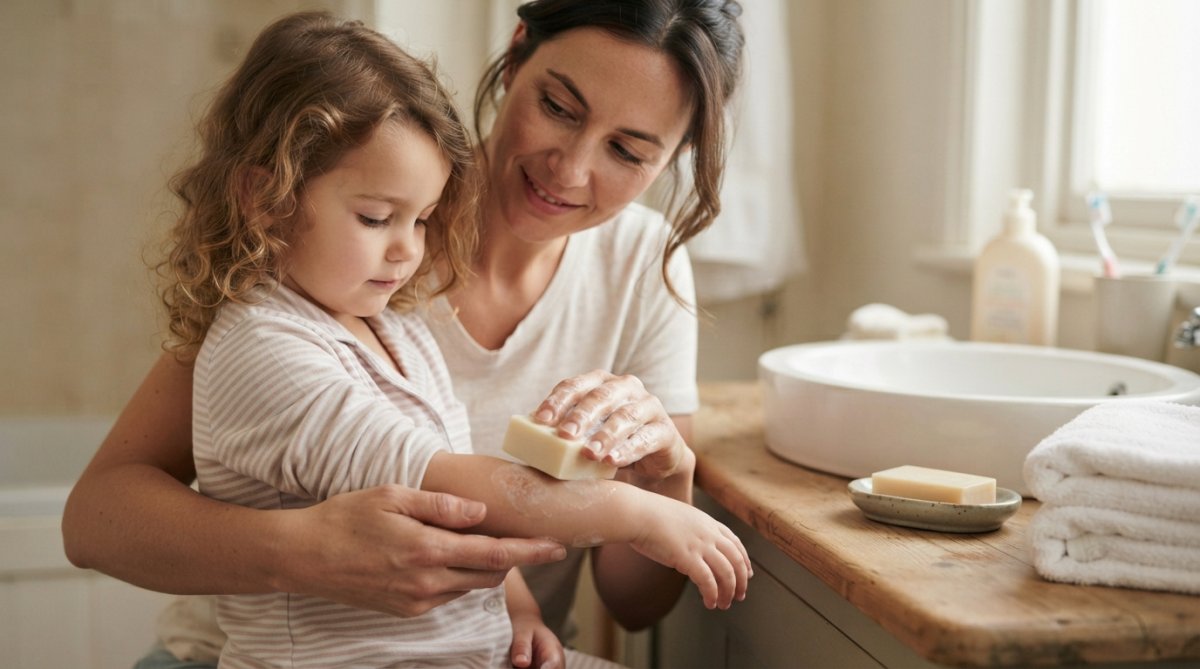
Children's skin is thinner and loses moisture faster than adult skin, so gentle cleansing matters even more. The goal is to remove irritants without disturbing the lipid barrier that keeps water in and triggers out.
Patch Testing Protocol Before You Switch
Patch testing takes 48 hours and can save weeks of misery. Here's the protocol:
- Wash a small patch of skin on your inner forearm with the new soap
- Rinse and pat dry
- Wait 24 hours and check for redness, itching, or bumps
- If clear, repeat the wash on the same patch
- Wait another 24 hours and check again
- If both checks are clear, introduce the soap to a larger area
Comparing Gentle Cleansing Options: What to Look For
The best cleanser for eczema-prone skin is fragrance-free, pH-conscious, and built with emollients that support the lipid barrier. But "pH-conscious" is a claim most labels make and few prove, so the practical question is how to compare two bars without trusting the marketing.
The Label Scan
Start with the ingredient list, not the front of the package. In priority order:
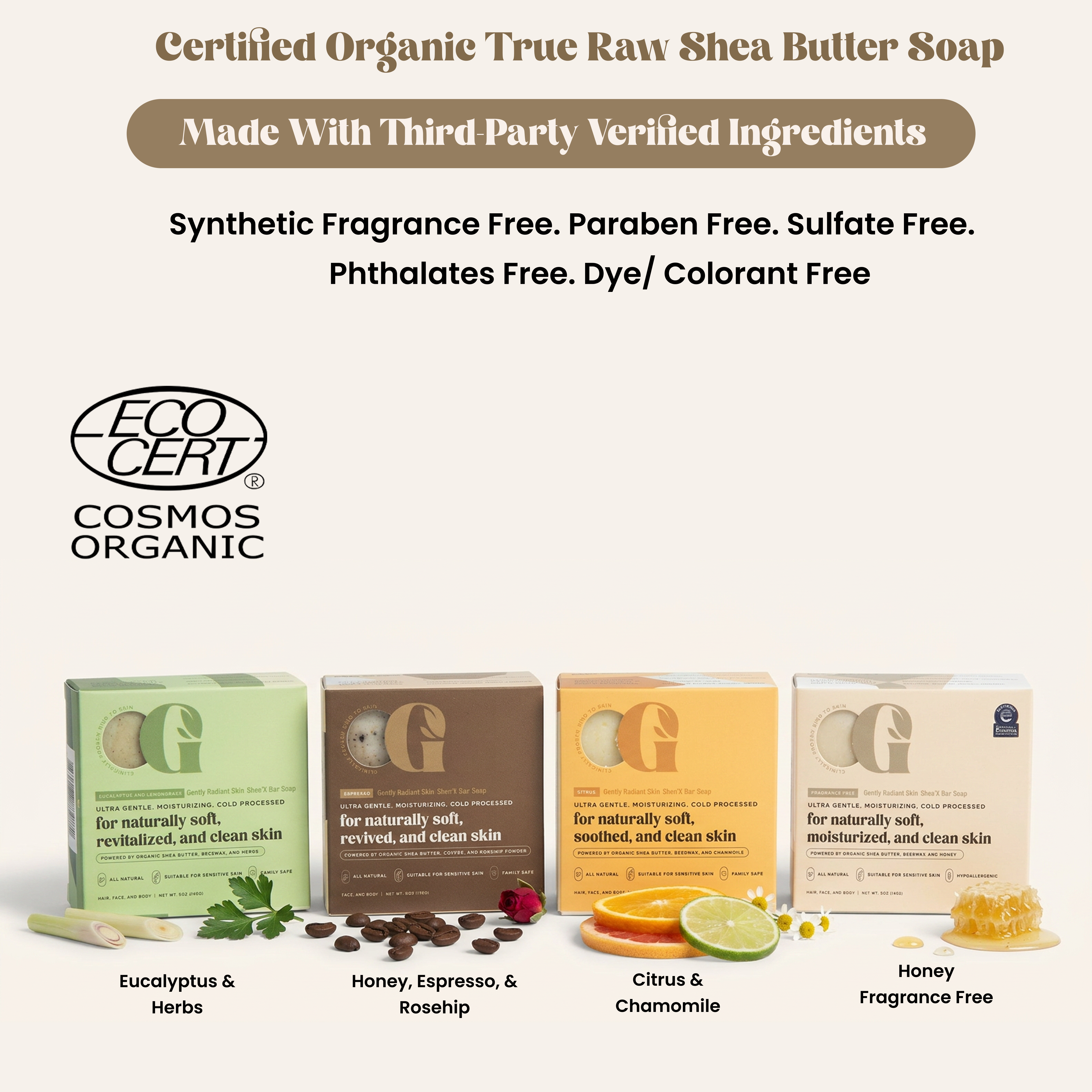
5oz SheaX™ Honey Fragrance Free Bar Soap →
- Fragrance-free, not "unscented." Unscented products can still contain masking fragrance.
- Short ingredient list. Fewer ingredients means fewer chances for a reaction.
- Plant-based oils like shea butter, which act as emollients and support moisture retention.
- Colloidal oatmeal, a humectant and soothing agent with a long track record for calming irritation. It is one of the few ingredients with enough evidence behind it that the FDA permits an eczema-related drug claim for colloidal oatmeal at 0.007% or higher in an OTC skin protectant.
- No sulfates, no parabens, no synthetic dyes, no essential oils.
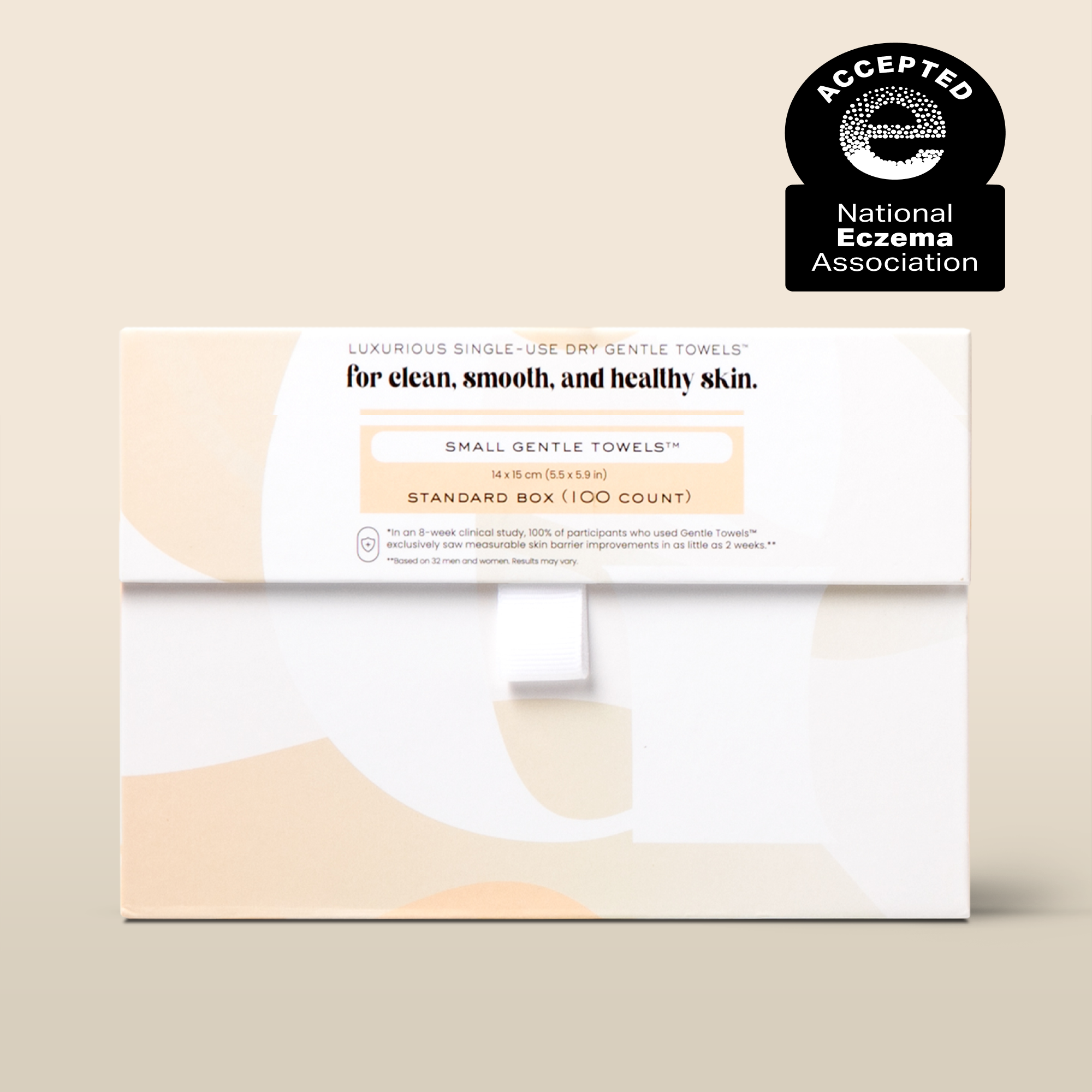
- Third-party validation. National Eczema Association acceptance or dermatologist approval carries more weight than a "natural" claim.
Test the pH Yourself
Most articles assert that true soap is alkaline and syndets are not, then move on. You can verify it in two minutes with a strip.
- Wet the bar and rub it between your hands until you have a small amount of lather.
- Touch a pH test strip (the 0-14 range, sold at aquarium and pool supply stores) to the lather, not the bar.
- Match the color against the chart within 15 seconds.
True Soap vs. Syndet: Which Wins for Eczema
This is the distinction most "natural is better" articles skip. True soap is made by saponification, a reaction between fats and an alkali (historically lye) that produces an alkaline bar. Syndets are built from milder surfactants like sodium cocoyl isethionate and can be formulated at a skin-friendly pH.
| Factor | True Soap (Organic Bar) | Syndet (Synthetic Detergent) |
|---|---|---|
| Typical pH | 9-10 | 5.5-7 |
| Cleansing agents | Saponified plant oils | Synthetic surfactants |
| Skin barrier impact | Higher risk if poorly formulated | Lower risk by design |
| Ingredient transparency | High in small-batch bars | Varies by brand |
| Best for | Superfatted, fragrance-free bars | Reactive, unpredictable skin |
What to Look For in a Bar You Actually Buy
Once you've filtered by fragrance and pH, the remaining variables are format and price. Gently Radiant Skin's SheaX line is formulated around cold-process unrefined raw shea butter, and every bar is dermatologist and pediatrician approved. The line includes the 5oz SheaX™ Bar Soap, the 5oz SheaX™ Dead Sea Salt Bar Soap, and the 5oz SheaX™ Sea buckthorn + Licorice Bar Soap, all at $20.00.

Water Hardness, pH, and Why Your Cleanser Choice Changes Everything
Hard water contains high levels of dissolved minerals and can leave a residue that interferes with how well your cleanser rinses away, trapping irritants against the skin and making even a good soap feel drying.
Conclusion
Managing eczema takes patience, and the right cleanser is only one piece of the puzzle. But it's a piece you touch every single day, which makes it worth getting right.
Frequently Asked Questions
Are organic soaps less irritating than conventional soaps for eczema?
Not automatically. Organic certification covers how ingredients are grown and processed, not how they behave on eczema-prone skin. A certified organic bar can still contain essential oils or citrus that trigger reactions. What matters more is whether the formula is fragrance-free, pH-balanced, and free of sulfates and synthetic dyes. Look for soaps accepted by the National Eczema Association and clinically tested for sensitive skin, such as cold-processed shea butter bars, rather than relying on the organic label alone.
What ingredients should I avoid in soap for eczema?
Skip sulfates (sodium lauryl sulfate, sodium laureth sulfate), parabens, synthetic fragrances, synthetic dyes, and harsh preservatives. Essential oils like citrus, peppermint, and eucalyptus can also irritate a compromised lipid barrier even though they are natural. Check labels for 'fragrance' or 'parfum' as catch-all terms. A fragrance-free, short ingredient list with plant-based oils, glycerin, and colloidal oatmeal is a safer starting point for reactive skin.
How do I soothe eczema on children without causing more flare-ups?
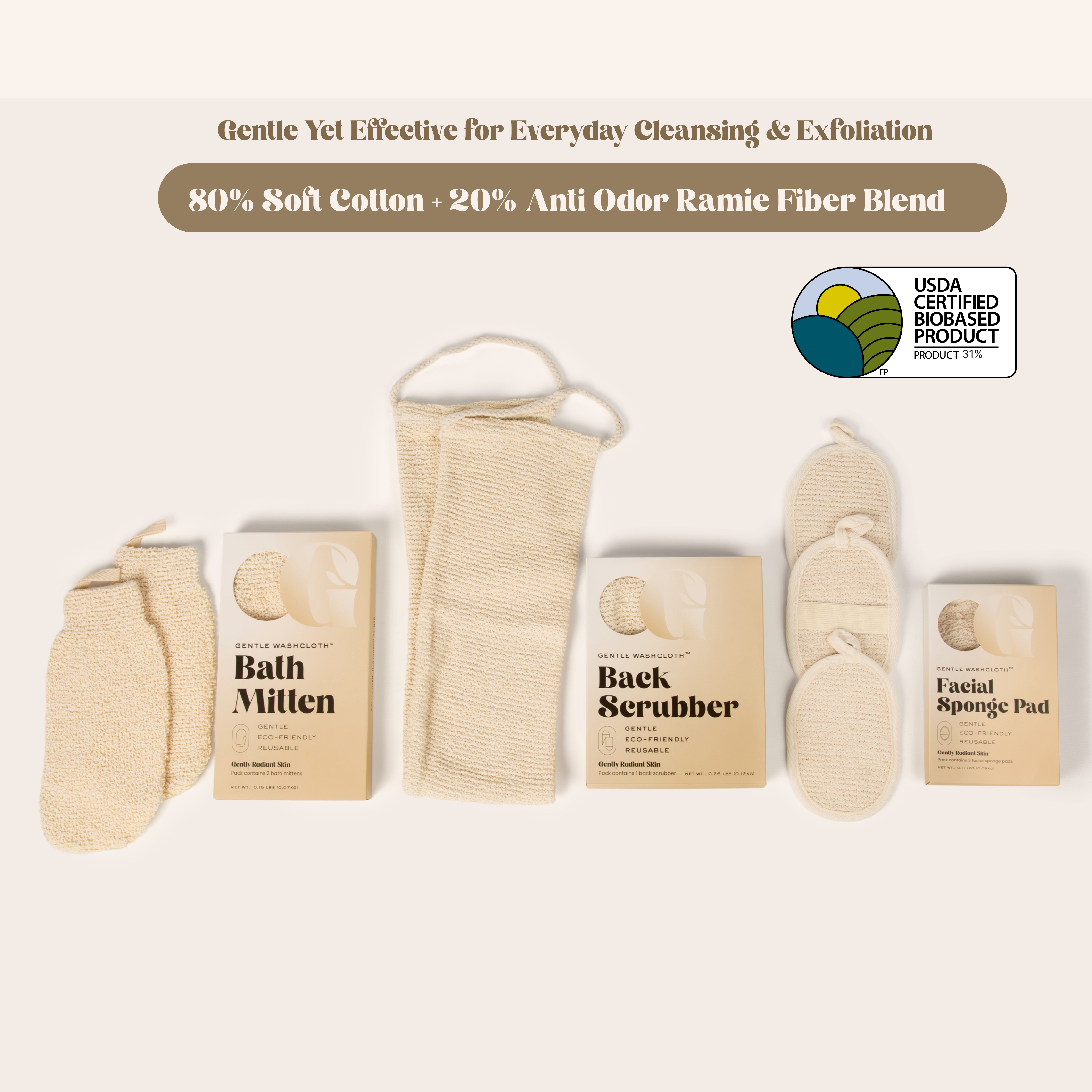
Bathe children in lukewarm water for 5 to 10 minutes, use a fragrance-free cleanser, and pat skin dry rather than rubbing. Apply a thick emollient within 3 minutes of leaving the bath to lock in moisture and reduce transepidermal water loss. Choose cleansers that are pediatrician approved and free of surfactants that strip natural oils. Avoid bubble baths and scrubbing tools. If flare-ups persist despite gentle cleansing, a pediatric dermatologist can rule out triggers like water hardness or contact irritants.
Does cold-processed soap work better for sensitive skin than commercial soap?
Cold-processed soap retains naturally occurring glycerin, a humectant that draws moisture to the skin, while many commercial bars remove it and add synthetic detergents instead. That retained glycerin supports moisture retention and reduces the tight, dry feeling after washing. Cold processing also allows superfatting, where extra oils remain unsaponified to act as emollients. For eczema-prone skin, a cold-processed bar with shea butter and no added fragrance is often gentler than a standard drugstore bar.
The challenge with eczema isn't finding a soap that claims to be gentle. It's finding one that actually is, batch after batch, without fragrance or fillers working against your barrier. Gently Radiant Skin formulates its SheaX line with certified organic, USDA bio-based ingredients and clinically tested formulas that improve the skin barrier in about two weeks. Get started with Gently Radiant Skin and give your skin a cleansing routine it can finally tolerate.