


Clinical Benefits of Natural Skincare: 2026 Guide
Table of Contents
- What 'Clinical' Actually Means in Natural Skincare
- Efficacy of Plant-Based Skincare Ingredients: What the Research Shows
- How Botanical Ingredients Interact With the Skin Barrier
- Clean Skincare for Reactive Skin 2026: What to Look For
- How to Identify High-Quality Natural Skincare
- Natural vs. Synthetic Ingredients: Safety, Side Effects, and Trade-Offs
- Transitioning From Clinical to Natural: A Step-by-Step Approach
- Frequently Asked Questions
Last Updated: September 16, 2026
What 'Clinical' Actually Means in Natural Skincare
"Clinical" in natural skincare means a formula has been tested under controlled, dermatologist-supervised conditions, not that it contains pharmaceutical drugs. That distinction matters because the word gets used loosely. A product can be plant-based and still earn clinical backing through patch testing, barrier-function studies, and irritancy panels.
Efficacy of Plant-Based Skincare Ingredients: What the Research Shows
The efficacy of plant-based skincare ingredients depends on three things: the concentration of active compounds, how well the formula delivers them, and whether the finished product was tested on real skin. A botanical extract listed near the bottom of an ingredient panel does almost nothing.
Bioactive Compounds That Drive Results
Bioactive compounds are the specific molecules within a plant that produce a measurable skin effect. The clinical literature most often groups bioactive compounds into functional families:
- Antioxidants, Vitamin C (L-ascorbic acid) from citrus and kakadu plum, vitamin E (tocopherol) from sunflower and jojoba, and ferulic acid from rice bran neutralize free radicals generated by UV exposure and pollution. Free radicals are unstable molecules that steal electrons from skin lipids, proteins, and DNA, accelerating collagen breakdown and uneven tone. Antioxidants donate an electron to stabilize them. Ferulic acid is notable because it also stabilizes vitamins C and E, which is why the three are frequently formulated together.
- Anti-inflammatory agents, Bisabolol from chamomile, glycyrrhizin from licorice root, and boswellic acids from frankincense interrupt the inflammatory signaling that shows up as redness, heat, and reactivity. This is a different mechanism from antioxidant activity: anti-inflammatories calm the response after it starts, while antioxidants reduce the trigger load.
- Barrier lipids, Shea butter's stearic and oleic fatty acids, plus the ceramide-like compounds in oat and jojoba, replenish the intercellular lipids that hold the barrier together. This is the mechanism behind reduced transepidermal water loss.
- Prebiotic sugars, Inulin from chicory root, alpha-glucan oligosaccharide from sugar beets, and certain oat beta-glucans feed beneficial skin bacteria rather than killing everything on the surface. Microbiome support is an emerging area; the evidence is promising but thinner than the antioxidant and barrier data.
Why Concentration and Delivery Decide Everything
A compound only works if it reaches the skin in an active form. Three practical variables matter:
- Concentration. Many botanical extracts are standardized to a marker compound, for example, licorice root standardized to a set percentage of glabrabridin. A product that lists "licorice extract" without a standardization figure gives you no way to judge dose.
- Processing. Heat, light, and oxygen degrade antioxidants and volatile oils. Cold-processed formulas preserve more of them than heat-intensive manufacturing. Cold processing is not automatically better for every ingredient, some actives need heat to release, but for certain ingredients, lower temperatures can retain more.
- Delivery format. A leave-on serum delivers more active to the skin than a rinse-off cleanser, because contact time is longer. This is why a "natural vitamin C cleanser" is a weaker proposition than a natural vitamin C serum, even when the ingredient list looks similar.
What the Research Actually Supports
The strongest human evidence for botanical skincare sits in areas such as niacinamide for barrier and tone, green tea polyphenols for antioxidant and anti-inflammatory effects, and colloidal oatmeal for barrier repair and itch reduction. The evidence for most single-plant extracts is smaller and often in-vitro. That does not make them useless, it means the honest framing is "supported by mechanistic and preliminary human data" rather than "clinically proven" for every botanical on the label.
How Botanical Ingredients Interact With the Skin Barrier
Botanical ingredients support the skin barrier by replenishing lipids and reducing water loss, rather than stripping the surface. The barrier is your skin's outermost layer, a lipid-and-protein wall that keeps moisture in and irritants out.
Clean Skincare for Reactive Skin 2026: What to Look For
Clean skincare for reactive skin 2026 comes down to a short, transparent ingredient list, no added fragrance, and third-party testing. Reactive skin reacts to triggers, not to "natural" or "synthetic" labels. The checklist below is the starting point, but the sections that follow explain the two things most guides leave out: what "natural" legally means (and does not mean), and how to read a label for ingredient synergy rather than a single hero botanical.
Look for:
- Fragrance-free formulas (not just "unscented")
- Dermatologist-tested and pediatrician-approved claims
- Non-comedogenic and hypoallergenic labeling
- Patch-test instructions on the package
Fragrance-Free vs. Unfragranced: A Critical Distinction
Fragrance-free means no fragrance has been added, including masking scents. Unfragranced often means a masking fragrance was added to cover the smell of raw ingredients. For reactive or eczema-prone skin, that difference is the whole ballgame. The same logic applies to "natural fragrance", a blend of essential oils is still a fragrance, and essential oils can be a cause of allergic contact dermatitis in botanical products.
The Regulatory Gap: What "Natural" Does Not Legally Mean
Here is the gap most competitor articles skip. In the United States, there is no single legal definition of "natural" for cosmetics. The FDA's guidance on cosmetic labeling claims explains that the agency regulates safety and labeling but does not certify the word "natural." That means a product can be labeled natural while containing synthetic preservatives, synthetic fragrance, or petroleum-derived emollients.
Reading for Ingredient Synergy, Not Just Ingredient Absence
A short list is necessary but not sufficient. The better question is whether the actives in the formula reinforce each other. Three patterns worth recognizing:
- Antioxidant pairing. Vitamin C is unstable on its own; pairing it with vitamin E and ferulic acid extends its shelf life and its activity on skin. A label that lists all three is doing more than a label that lists vitamin C alone.
- Barrier plus anti-inflammatory. A formula that combines a lipid (shea, jojoba, oat) with an anti-inflammatory (bisabolol, licorice, colloidal oatmeal) addresses both the cause and the symptom of reactivity. One without the other is a partial solution.
- Prebiotic plus postbiotic. Feeding beneficial bacteria (inulin, oat beta-glucan) while supplying their metabolic byproducts is a more complete microbiome approach than either alone. The evidence here is still developing, so treat it as a promising direction rather than a settled one.
A Practical Label-Reading Sequence
When you pick up a product, read in this order: (1) fragrance declaration, (2) active or standardized botanical near the top of the list, (3) preservative system, natural formulas still need preservation, and "preservative-free" water-based products are a microbial risk, not a virtue, (4) third-party seal, and (5) patch-test guidance.
How to Identify High-Quality Natural Skincare
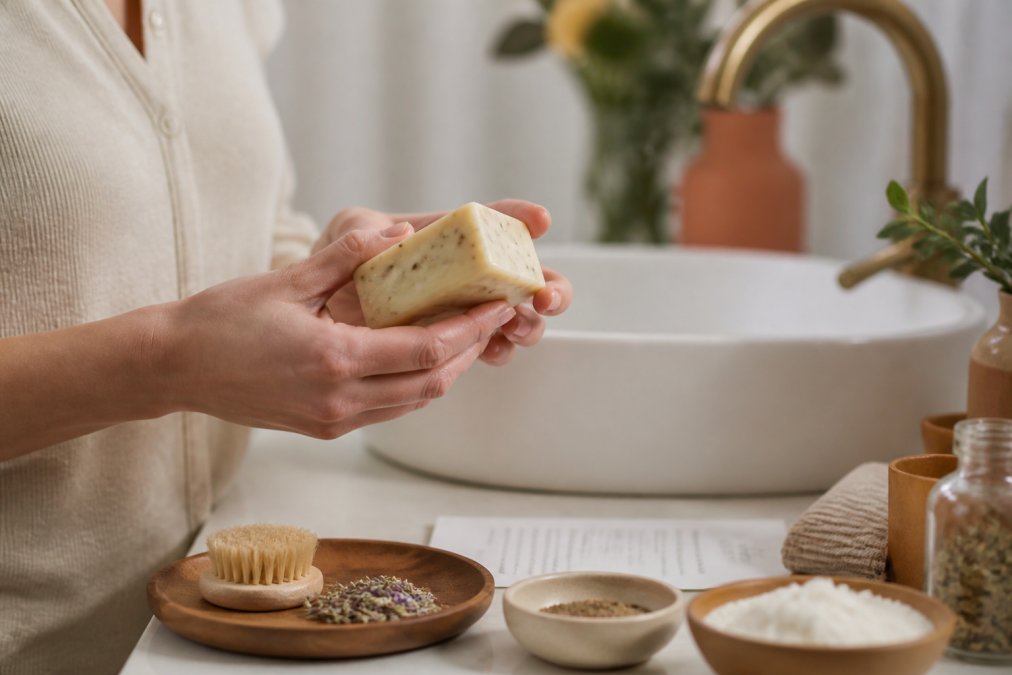
High-quality natural skincare is identifiable by its testing claims, certification, and ingredient sourcing, not by the word "natural" on the front of the box. Start with the back label.
A quick screening framework:
| What to Check | Red Flag | Green Flag |
|---|---|---|
| Testing claims | "Gentle" with no testing | Dermatologist-tested, clinically tested |
| Fragrance | "Unfragranced" | "Fragrance-free" |
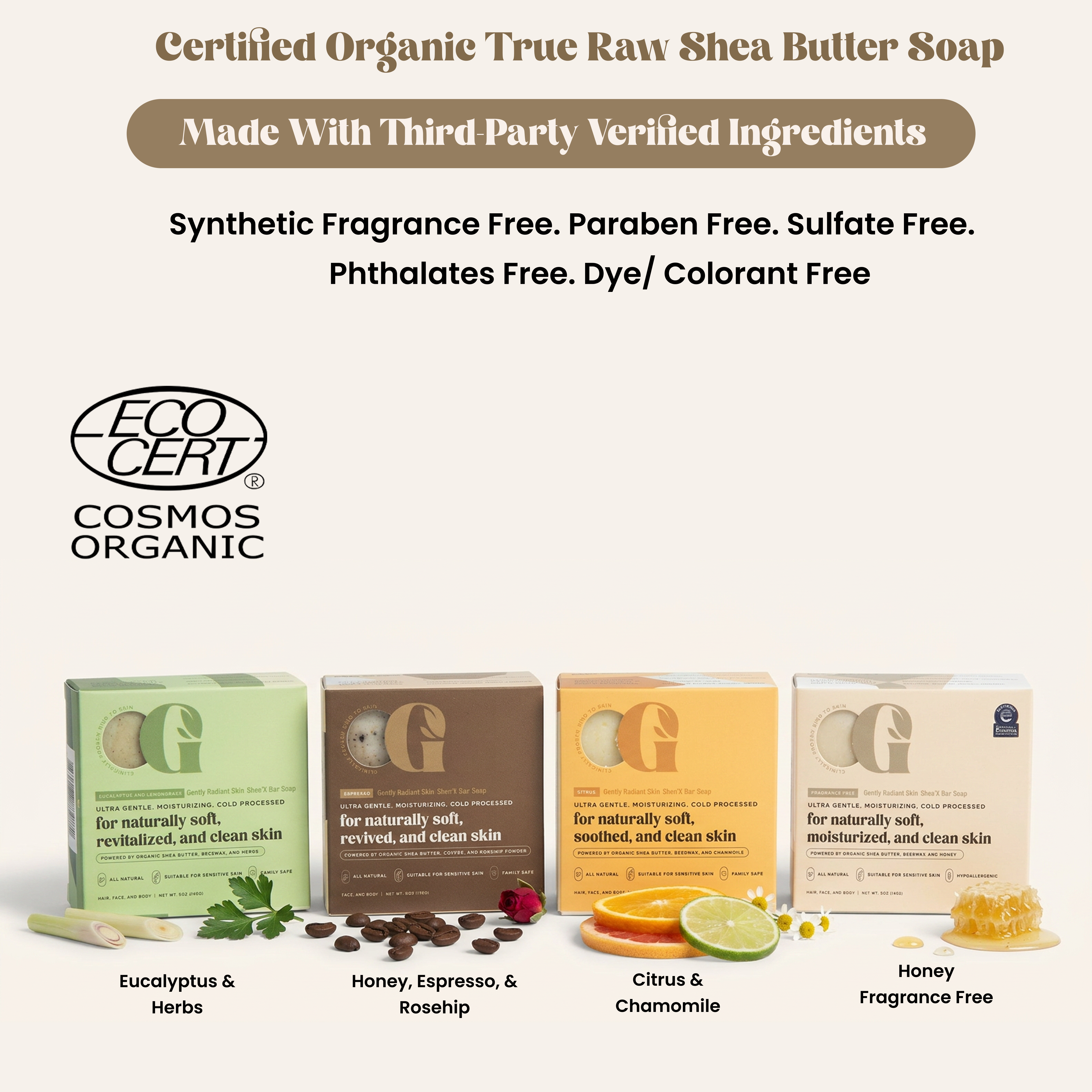
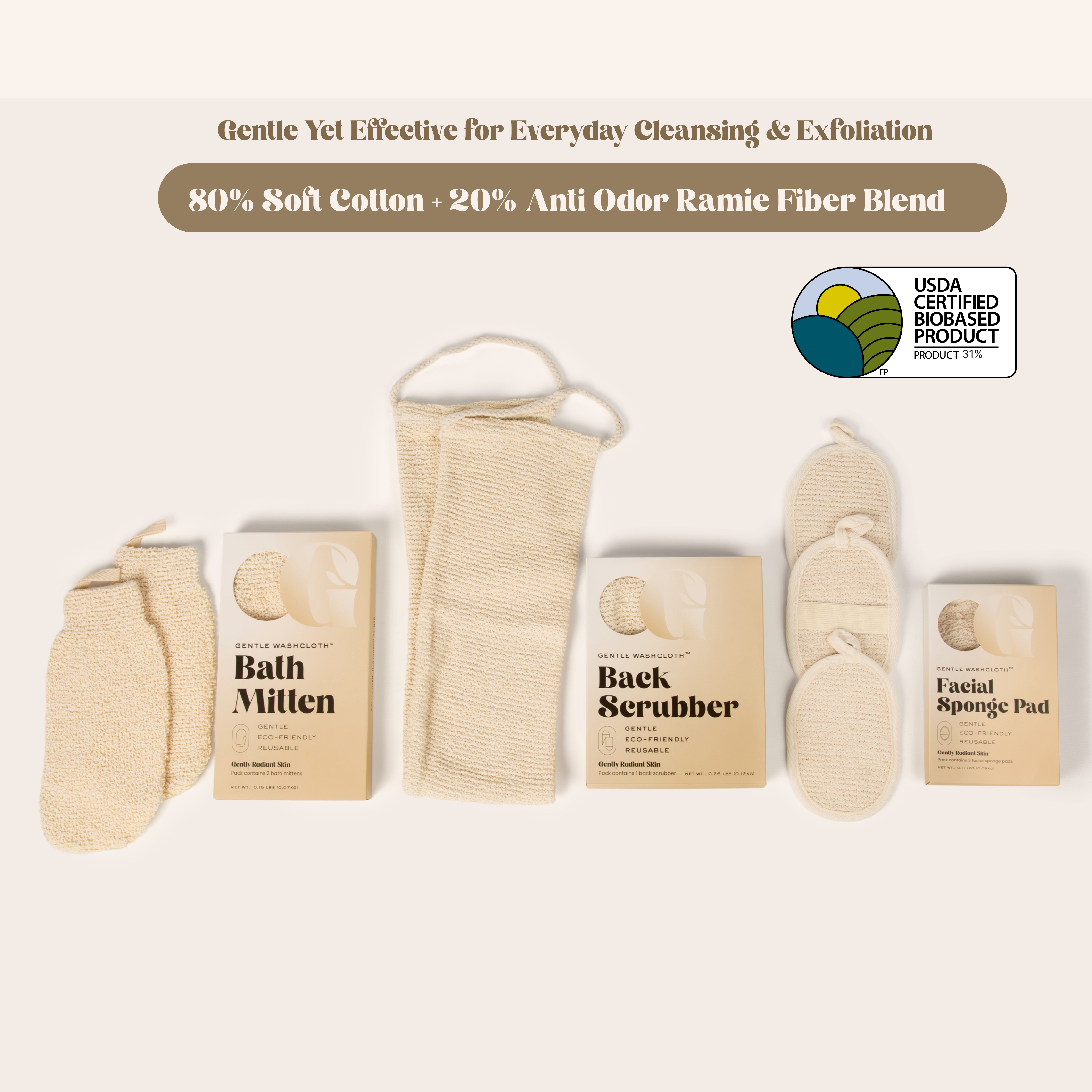
| Certifications | Self-declared "organic" | Certified Organic, USDA Bio-based |
| Ingredient sourcing | Vague "botanical blend" | Named, traceable extracts |
Regulatory Definitions of 'Natural' and What They Don't Cover
Here's the gap competitors skip: in the United States, there is no single legal definition of "natural" for cosmetics. The FDA's guidance on cosmetic labeling claims explains that the agency regulates safety and labeling but does not certify the word "natural." That means a product can be labeled natural while containing synthetic preservatives or fragrance. Certification bodies fill the void, which is why third-party seals matter more than the word itself.
Natural vs. Synthetic Ingredients: Safety, Side Effects, and Trade-Offs
Natural and synthetic ingredients each carry trade-offs in safety and performance. Neither is automatically better.
| Factor | Natural Ingredients | Synthetic Ingredients |
|---|---|---|
| Irritation risk | Varies by plant; some are allergens | Predictable |
| Preservation | Harder | Easier |
| Sustainability | Often biodegradable | Varies |
| Testing data | Growing | Extensive |
Transitioning From Clinical to Natural: A Step-by-Step Approach
Transitioning from clinical to natural works best as a slow swap, one product at a time. Going cold turkey across your whole routine makes it impossible to identify what helps and what irritates.
- Week 1-2: Replace only your cleanser. Keep everything else.
- Week 3-4: Assess barrier comfort and any new irritation.
- Week 5-6: Swap your moisturizer if the cleanser held up.
- Week 7-8: Introduce treatments last, one at a time.
Frequently Asked Questions
Are natural skincare products as effective as clinical-grade alternatives?
It depends on the ingredient and formulation. Plant-based extracts like shea butter and chamomile have demonstrated measurable benefits in clinical trials, including barrier repair and reduced irritation. For sensitive or reactive skin, a well-formulated natural skincare product can offer improvements in hydration and comfort.
How do I know if a natural skincare product is high quality or just greenwashed?
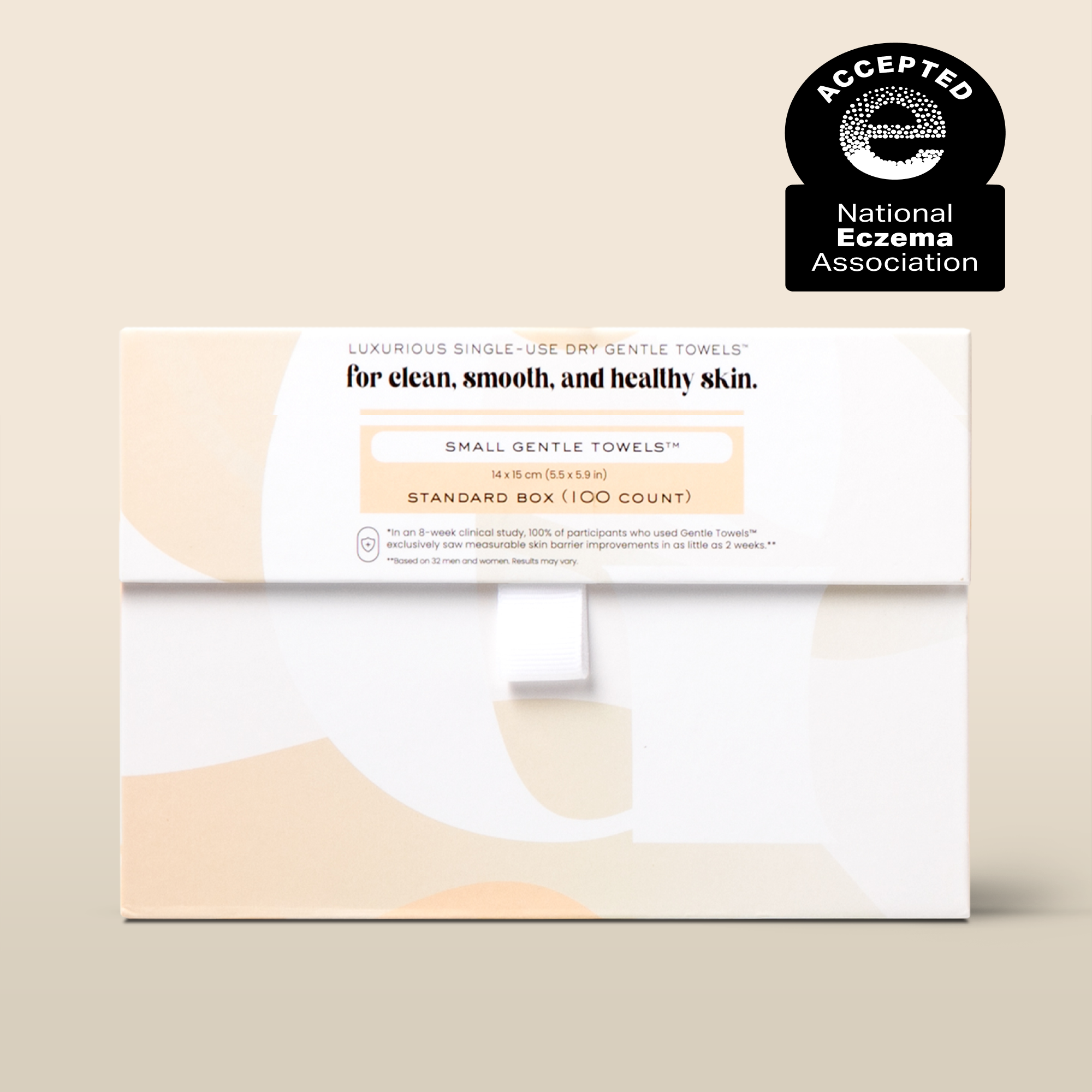
Look for third-party certifications such as Certified Organic, USDA Bio-based, or acceptance by the National Eczema Association. Check whether the brand discloses its full ingredient list and can provide dermatologist or pediatrician approval.
Can natural skincare help with reactive or sensitive skin conditions like eczema?
Yes, when formulated correctly. Fragrance-free, cold-processed soaps made with unrefined shea butter and botanicals like chamomile can calm reactive skin and support the lipid barrier. Products accepted by the National Eczema Association have undergone review for irritants. A 2-week improvement in skin barrier function has been shown in clinical testing of gentle facial towels. Always patch-test new products and introduce one at a time to identify triggers.
What scientific evidence supports the use of organic skincare ingredients?
Clinical trials on ingredients like shea butter, sea buckthorn, and licorice root show anti-inflammatory and antioxidant effects. These plant-based extracts contain bioactive compounds. However, evidence varies by ingredient and concentration. Look for products that cite dermatologist testing or clinical trials rather than relying solely on traditional use claims.
How do I transition from clinical skincare to natural products without triggering a reaction?
Switch one product at a time, starting with your cleanser. Use a gentle, fragrance-free option for two weeks before replacing your moisturizer or treatment. This lets you isolate any negative reactions. Keep a simple journal of how your skin responds. If you use prescription actives, introduce natural products around them rather than stopping suddenly.
What does 'clinical' mean in the context of natural skincare?
In natural skincare, 'clinical' refers to testing under dermatological control, often with measurable outcomes like barrier improvement or reduced blemish appearance. It does not mean the product contains synthetic drugs. Brands may conduct clinical trials on plant-based formulas to verify efficacy and safety. Look for phrases like 'dermatologist-tested' or 'clinically tested for sensitive skin' and check whether specific results, such as improvement in 2 weeks, are stated.