


Gentle Cleansing Routine for Acne: A 2026 Guide
Table of Contents
- Why Your Acne Cleanser Might Be Making Things Worse
- The Core of a Gentle Cleansing Routine for Acne
- Signs of Over-Exfoliated Skin and How to Pause
- How to Stop Skin Barrier Damage Before It Starts
- How to Repair Skin Barrier from Acne Treatments
- Cleansing Techniques for Different Acne Types
-
Common Cleansing Mistakes to Avoid
- Mistake 1: Over-Washing Your Face
- Mistake 2: Using the Wrong Water Temperature
- Mistake 3: Scrubbing with Rough Textures
- Mistake 4: Skipping Moisturizer on Oily Skin
- Mistake 5: Ignoring Ingredient Labels
- Mistake 6: Using Dirty Towels and Pillowcases
- Mistake 7: Picking or Squeezing Pimples
- Mistake 8: Not Adapting to Your Environment
- Final Thoughts on Your Gentle Routine
- Frequently Asked Questions
Last Updated: September 5, 2026
Why Your Acne Cleanser Might Be Making Things Worse
Most people believe aggressive scrubbing and strong active ingredients are the only way to clear breakouts. The opposite is often true: harsh cleansers strip the skin's natural lipid barrier, triggering the sebaceous glands to overproduce oil, which mixes with dead skin cells and leads to more clogged pores. A gentle cleansing routine prevents the inflammatory cycle that aggressive washing starts.
This guide from Gently Radiant Skin explains how to build a routine that clears blemishes without compromising your skin's moisture barrier. We will show you exactly how to wash, what to avoid, and how to recover if you have already damaged your skin.
The Core of a Gentle Cleansing Routine for Acne
A gentle cleansing routine for acne removes impurities and excess sebum without disrupting the skin's acid mantle, the thin, protective acidic film on the skin's surface. The goal is to cleanse effectively while keeping the moisture barrier intact, because a healthy barrier is your first defense against inflammation and future breakouts.

Step 1: Choose the Right Cleanser Texture and Ingredients
For acne-prone skin, the cleanser's formulation matters more than its texture. Gel and foaming cleansers often rely on sulfates like sodium lauryl sulfate (SLS) to create a foamy lather, which can strip the skin and cause that tight, 'squeaky-clean' feeling, a red flag for barrier disruption. Instead, look for:
- Low-pH formulas: Your skin's natural pH is around 4.5 to 5.5 (peer-reviewed research). A cleanser with a pH in this range helps maintain the acid mantle, which inhibits the growth of acne-causing bacteria like Cutibacterium acnes. Many standard bar soaps have a pH of 9-10, which is too alkaline. Look for 'pH-balanced' on the label or check the brand's published specifications.
- Gentle surfactants: Ingredients like cocamidopropyl betaine, decyl glucoside, or sodium cocoyl isethionate are much milder than SLS. They cleanse without over-degreasing.
- Targeted actives: For acne, look for cleansers containing 2% salicylic acid (a beta-hydroxy acid that exfoliates inside the pore) or 2.5% benzoyl peroxide (an antibacterial agent). These are the standard strengths found in over-the-counter (OTC) washes. However, if your skin is sensitive, you may prefer a cleanser without these actives and use them instead in a leave-on treatment.
- Soothing additions: Ingredients like aloe vera, allantoin, or panthenol (pro-vitamin B5) can help calm inflammation during the cleanse.
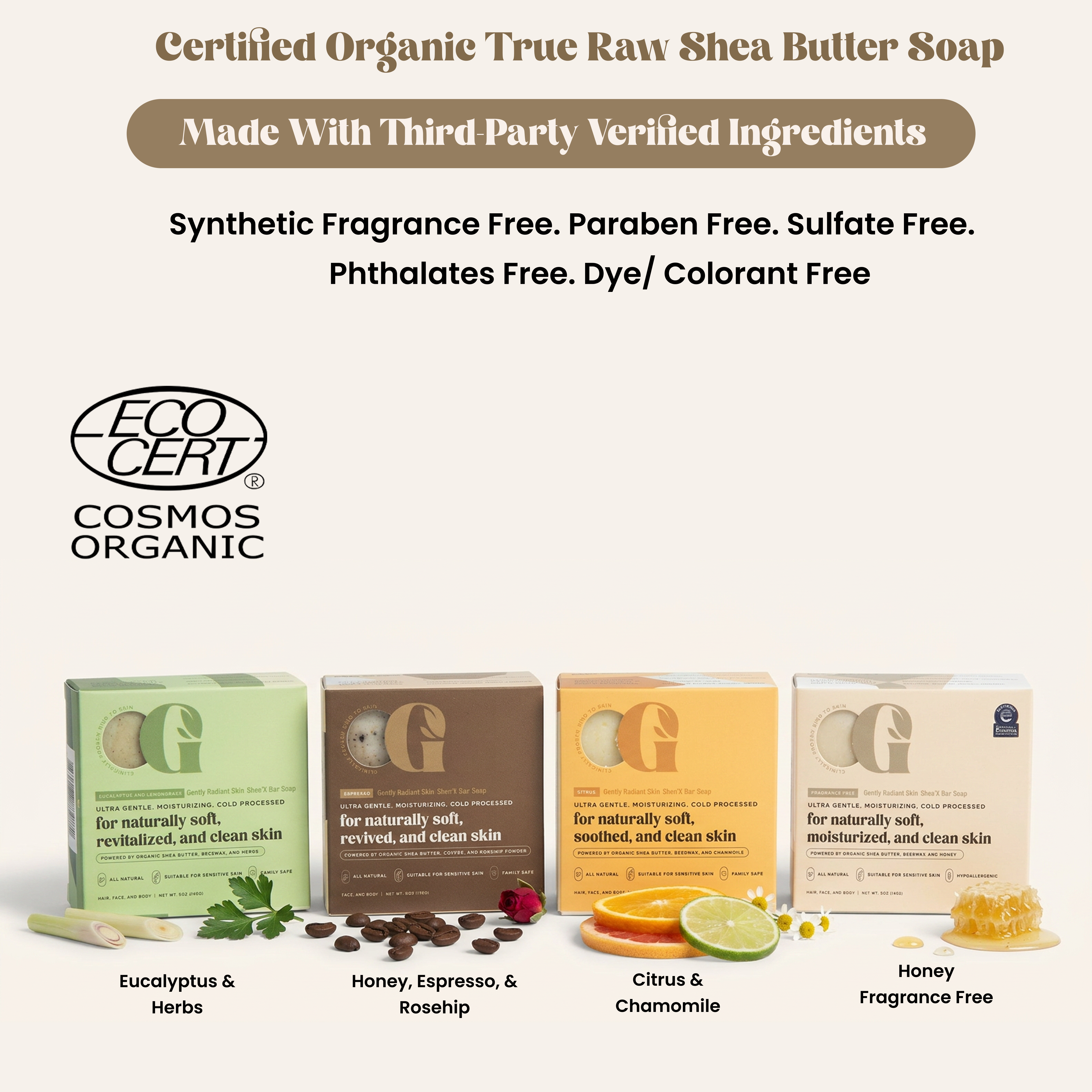
Bar soaps are not inherently bad, but traditional formulas are often too alkaline. Syndet bars (synthetic detergent bars) are a better option as they are pH-balanced. If you prefer a bar, ensure it is labeled 'syndet' or 'pH-balanced' to avoid disrupting your barrier.

Step 2: Master the 60-Second Rule
Washing longer than 60 seconds does not improve results; it increases irritation (the American Academy of Dermatology). Use a gentle massage motion with your fingertips, working the cleanser in small circles to lift dirt and oil without aggressive friction. Pay extra attention to the hairline and jawline, where buildup and sweat accumulate. This duration breaks down sunscreen and grime but prevents stripping natural moisture.
Step 3: Rinse Thoroughly with Lukewarm Water
Hot water opens pores temporarily, but it also dissolves the lipid barrier rapidly and causes dehydration (the NIH). Cold water does not effectively remove cleanser residue. Lukewarm water is the correct temperature because it allows for thorough rinsing without shocking the skin's surface or triggering inflammation. Ensure you rinse for at least 10-15 seconds to remove all traces of the cleanser, as leftover residue can be irritating.
Step 4: Pat Dry, Don't Rub
Rubbing your face with a towel creates friction, which can cause micro-tears and inflame acne lesions. Instead, pat your skin dry with a soft, clean cotton towel or disposable paper towel, ensuring it is freshly laundered, as damp towels harbor bacteria. Follow up with a moisturizer within 60 seconds to lock in hydration while your skin is still slightly damp.
Step 5: Double Cleanse in the Evening
If you wear sunscreen, makeup, or have been exposed to heavy pollution, a single cleanse may not be enough. The 'double cleanse' method is effective:
- Oil-based cleanse: Use a cleansing balm or oil to break down oil-based impurities like sunscreen, sebum, and makeup. Massage onto dry skin, then emulsify with water.
- Water-based cleanse: Follow with your gentle low-pH cleanser to remove water-based debris and any leftover residue from the first step.
This method ensures pores are thoroughly clean without harsh scrubbing. In the morning, a single gentle cleanse with water or a mild cleanser is sufficient, as your skin only needs to remove overnight sebum and product residue.
Signs of Over-Exfoliated Skin and How to Pause
If your skin feels tight, looks shiny yet dry, or stings when you apply moisturizer, you are likely over-exfoliated. Other signs include redness, flaking, and a sudden increase in breakouts as your barrier fails to hold moisture. When you notice these symptoms, stop all active ingredients including salicylic acid and any physical scrubs immediately.
The recovery approach is simple: switch to a basic, fragrance-free cleanser and a simple moisturizer for at least two weeks. Resist the urge to compensate with more products. The barrier needs time and minimal interference to rebuild its lipid structure.
How to Stop Skin Barrier Damage Before It Starts
Preventing damage is far easier than repairing it. The most effective way to stop skin barrier damage is to establish a daily regimen that respects your skin's acid mantle, choosing pH-balanced, non-comedogenic products every day, not just when your skin is already irritated.
A common mistake is using a different cleanser based on how your skin feels each morning. Consistency matters more than variety. Stick to one gentle cleanser and one moisturizer for at least four weeks to see what your skin tolerates. Introducing new active ingredients frequently prevents adaptation and increases inflammation risk.
How to Repair Skin Barrier from Acne Treatments
Acne treatments like benzoyl peroxide and retinoids are effective but notoriously harsh on the lipid barrier. To repair the skin barrier, cushion the impact of these actives rather than abandoning them. The buffer method works well: apply a light moisturizer, wait five minutes, then apply your acne treatment on top.
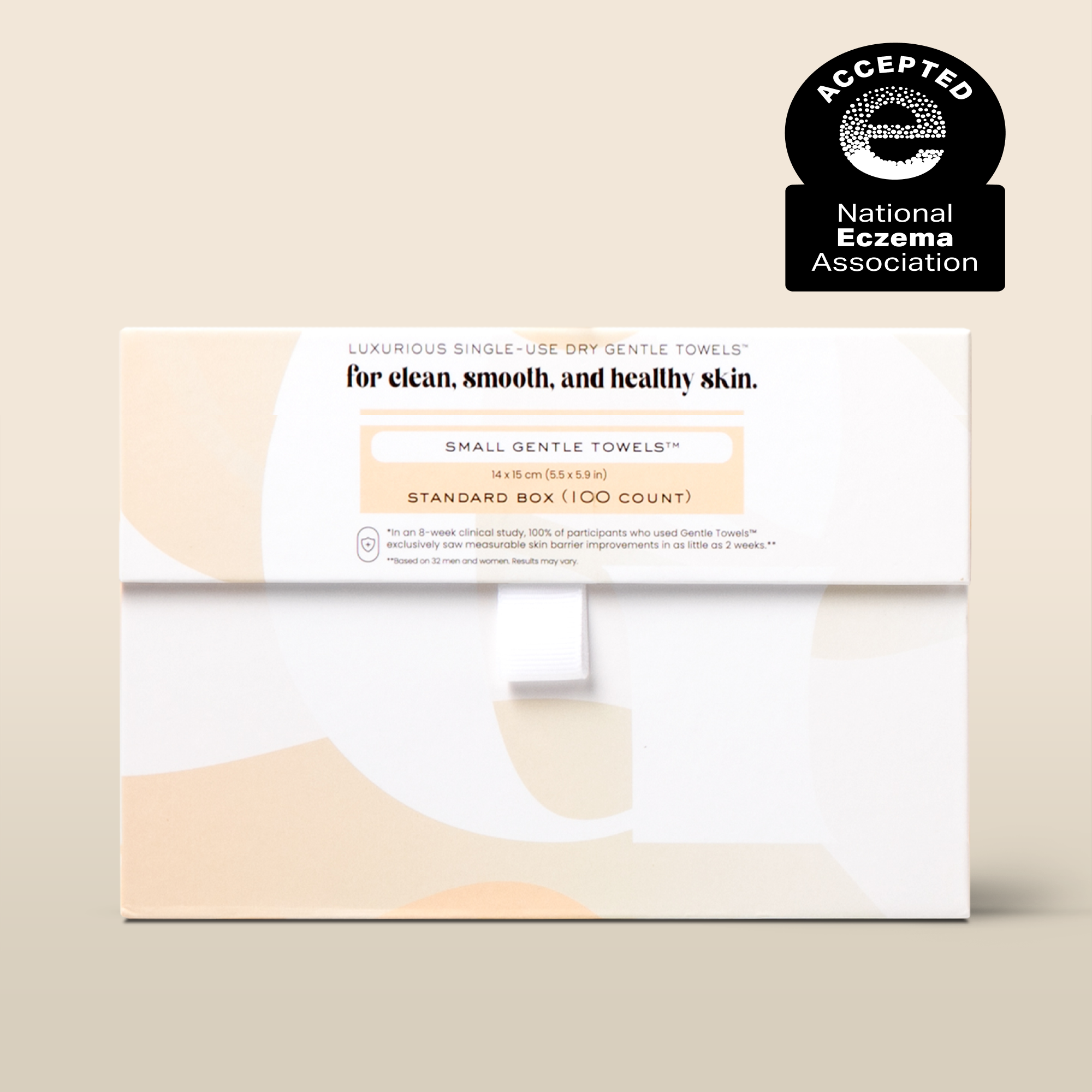
This layering technique dilutes the treatment's intensity slightly without making it ineffective. In the morning, use only a gentle cleanse and a moisturizer with soothing agents. Many people find that switching to a soft facial towel instead of a terry cloth washcloth reduces friction significantly. The Gentle Towels™ from Gently Radiant Skin are clinically tested for sensitive skin and designed to improve the skin barrier in two weeks while reducing the appearance of blemishes by week eight.

Cleansing Techniques for Different Acne Types
Not all acne responds to the same cleansing method. For comedonal acne (blackheads and whiteheads), focus on gentle massage to loosen surface blockages without squeezing. For inflammatory acne with papules and pustules, minimize touching entirely and let the cleanser do the work with a light, non-abrasive application.
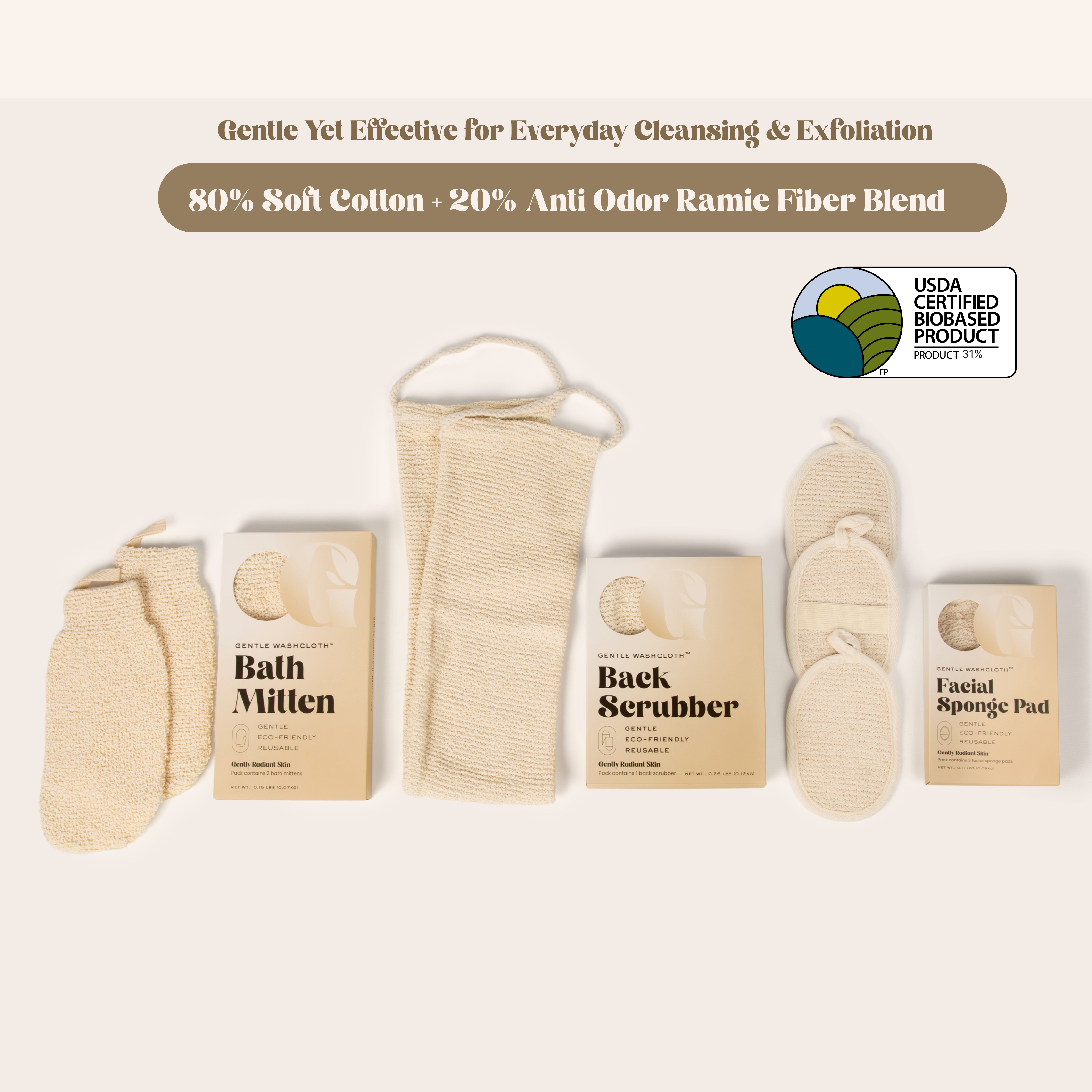
For acne that flares with hormonal cycles, pay extra attention to the jawline and chin area, as these zones accumulate more sebum. If you are prone to acne mechanica (triggered by friction from masks or helmets), wash immediately after removing the occlusive gear and use a washcloth that does not create drag. The Gentle Washcloth™ Collection uses a USDA certified biobased cotton and ramie fiber blend for controlled cleansing and light exfoliation without the roughness of standard towels.

Common Cleansing Mistakes to Avoid
The most common cleansing mistakes are easy to spot once you know what to look for. Avoiding these pitfalls is just as important as choosing the right cleanser.
Mistake 1: Over-Washing Your Face
Washing more than twice a day strips the skin of its natural oils, signaling the sebaceous glands to produce even more sebum. This creates a vicious cycle of oiliness and breakouts. Unless you have just sweated heavily, stick to cleansing in the morning and evening only. To freshen up midday, splash your face with lukewarm water and pat dry.
Mistake 2: Using the Wrong Water Temperature
Hot water feels soothing but rapidly dissolves the lipid barrier, leading to dehydration and increased sensitivity. Cold water fails to dissolve oil-based impurities effectively. Always use lukewarm water, the optimal temperature for dissolving dirt and oil without damaging the skin's protective layer.
Mistake 3: Scrubbing with Rough Textures
Physical exfoliants like crushed walnut shells, apricot pits, or rough washcloths create micro-tears that trigger inflammation, worsening acne and leading to post-inflammatory hyperpigmentation. Instead, use your fingertips or an ultra-soft microfiber cloth. If you need exfoliation, use a chemical exfoliant like salicylic acid or glycolic acid in low concentrations (1-2%) rather than physical scrubs.
Mistake 4: Skipping Moisturizer on Oily Skin
Many people with acne skip moisturizer because they believe their skin is already oily enough. This is a critical error. When you strip your skin of moisture, it overcompensates by producing more oil. A lightweight, oil-free, non-comedogenic moisturizer signals that your skin has enough hydration, which can reduce excess oil production over time.
Mistake 5: Ignoring Ingredient Labels
Not all cleansers are created equal. Some contain ingredients that are known irritants for acne-prone skin. Avoid cleansers that contain:
- Alcohol denat. (SD alcohol): A drying solvent that strips the barrier and increases irritation.
- Fragrance and essential oils: Common allergens that can trigger contact dermatitis and worsen inflammation.
- Sulfates (SLS/SLES): Harsh detergents that disrupt the acid mantle.
- Heavy oils and butters: Ingredients like coconut oil, cocoa butter, or mineral oil can be highly comedogenic (pore-clogging) for some individuals.
Instead, look for labels that say 'non-comedogenic,' 'fragrance-free,' and 'pH-balanced.'
Mistake 6: Using Dirty Towels and Pillowcases
Your face comes into contact with your towel and pillowcase every day. Dirty towels and pillowcases harbor bacteria, dead skin cells, and oil, which can transfer back onto your face and cause new breakouts. Change your pillowcase at least twice a week and use a fresh towel for your face every time you wash.
Mistake 7: Picking or Squeezing Pimples
Picking at acne lesions pushes bacteria deeper into the skin, increases inflammation, and raises the risk of scarring and hyperpigmentation. Resist the urge to pop pimples. Instead, use a spot treatment containing 2% salicylic acid or 2.5% benzoyl peroxide to dry out the blemish.
Mistake 8: Not Adapting to Your Environment
Your cleansing routine should change based on your environment. In high-humidity climates, you may need a lighter gel cleanser. In dry or cold climates, a creamier cleanser will help preserve moisture. If you wear a mask for extended periods (maskne), wash your face immediately after removing it to prevent sweat and friction from clogging pores.
The table below summarizes the most frequent mistakes and their practical fixes.
| Mistake | Consequence | Correct Approach |
|---|---|---|
| Hot water rinse | Strips lipid barrier | Use lukewarm water |
| Scrubbing with rough cloths | Causes micro-tears and inflammation | Use ultra-soft towels or fingertips |
| Washing longer than 60 seconds | Over-dries and triggers excess oil | Keep cleanse under 60 seconds |
| Skipping moisturizer on oily skin | Increases sebum production | Apply lightweight, non-comedogenic moisturizer |
| Using dirty towels | Transfers bacteria to face | Use a fresh towel each wash |
| Washing more than twice daily | Over-strips and triggers rebound oiliness | Limit cleansing to morning and evening |
Final Thoughts on Your Gentle Routine
Building a gentle cleansing routine for acne requires patience, because results take time. While aggressive products offer quick but temporary clearing followed by rebound breakouts, a consistent gentle approach supports the skin barrier and leads to sustainable improvement in skin texture and clarity.
At Gently Radiant Skin, we design our cleansing essentials to work with your skin's natural processes, not against them. Our dermatologist and pediatrician approved products, including the SheaX™ fragrance-free bar soaps and the Gentle Towels™, are formulated to calm sensitive skin and support barrier health. Shop the SheaX collection to start a routine that treats your acne gently and effectively.
The challenge with acne is resisting the urge to attack it aggressively. A thoughtful, consistent routine that protects your barrier will always outperform harsh treatments in the long run. Gently Radiant Skin offers the cleansing tools you need to make that shift, with cold-processed organic shea butter soaps and ultra-soft facial towels that are clinically tested and accepted by the National Eczema Association. Get started with Gently Radiant Skin and give your skin the gentle care it needs to heal.
Frequently Asked Questions
How can I cleanse my face for acne without drying it out?
Use a non-comedogenic, fragrance-free cleanser and limit washing to twice daily. Apply the cleanser to damp skin and massage gently for about 60 seconds. Rinse with lukewarm water, not hot. A gentle cleansing routine for acne should leave your skin feeling soft, never tight. If your face feels dry or stripped after rinsing, switch to a cream or milk cleanser and avoid foaming formulas that contain sulfates.
What are the signs of a damaged skin barrier from acne products?
Common signs of over-exfoliated skin include persistent redness, stinging or burning when applying moisturizer, flaking, and a shiny, tight feeling. You may also notice increased breakouts, as a compromised skin barrier allows bacteria to penetrate more easily. If you see these signs, stop all active ingredients like salicylic acid and retinoids for a week. Focus on how to repair skin barrier from acne treatments by using only a gentle cleanser and a barrier-repairing moisturizer with ceramides.
Should I use a washcloth or my hands to cleanse acne-prone skin?
Your hands are usually the safest tool because they are easy to keep clean and allow you to control pressure. Washcloths can harbor bacteria if not changed daily and often encourage scrubbing, which irritates acne. If you prefer a cloth, use a fresh, ultra-soft option like the Gentle Washcloth Collection, and use light, sweeping motions with no pressure to limit inflammation.
How often should you wash your face if you have acne?
Wash twice daily: once in the morning and once at night. Over-cleansing strips your skin of natural oils, prompting it to produce more sebum, which can worsen breakouts. If you sweat heavily during the day, rinse with lukewarm water and pat dry rather than doing a full cleanse. This gentle cleansing routine for acne gives your skin barrier time to recover between washes.
This article was written using GrandRanker