


Natural Ways to Treat Skin Redness: 7 Soothing Steps
Table of Contents
- What You'll Need Before You Start
- Step 1: Identify What's Triggering Your Skin Redness
- Step 2: Calm Flare-Ups With a Cold Compress and Anti-Inflammatory Botanicals
- Step 3: Build a Gentle Skincare Routine for Reactive Skin
- Step 4: Use Natural Remedies for Skin Barrier Repair
- Step 5: How to Soothe Eczema on Children Without Harsh Ingredients
- Step 6: Patch Test Natural Ingredients and Avoid Common Irritants
- Step 7: Adjust Your Routine for Seasonal Redness and Lifestyle Factors
- Frequently Asked Questions
Last Updated: September 11, 2026
What You'll Need Before You Start
Natural ways to treat skin redness work best when you build a toolkit before your skin flares. This guide covers seven steps, from identifying triggers to seasonal adjustments, using ingredients that calm rather than strip.
Skin redness, medically called erythema, results from increased blood flow and inflammation in the upper skin layers (peer-reviewed research). It shows up as flushing, blotchiness, or persistent pink patches, and usually signals that your barrier needs support rather than more scrubbing.
Here's what to gather first:
- A soft, clean cloth or single-use facial towel for cold compresses
- A fragrance-free, pH-balanced cleanser
- A barrier moisturizer with ceramides or shea butter
- Pure aloe vera gel, cooled green tea, and chamomile (for patch testing)
- A written log of foods, products, and weather that precede flare-ups
The American Academy of Dermatology's sensitive skin guidance recommends fragrance-free products and lukewarm water for anyone prone to irritation. Keep that principle in mind for every step below.
Step 1: Identify What's Triggering Your Skin Redness
Track your flare-ups for two weeks before changing products. Most people blame the wrong culprit because they change three things at once. A log of time, activity, food, and products narrows it down fast.
Common Triggers: Heat, Products, and Stress
Heat and sun cause vasodilation, the widening of blood vessels that produces flushing; spicy food, alcohol, and hot drinks do the same. Products trigger redness through contact irritation or a histamine response, especially with fragrance, alcohol, or exfoliating acids. Stress raises cortisol, weakening the barrier and worsening sensitivity.
A common mistake is treating all redness as one problem. Rosacea, eczema, and contact dermatitis look similar but respond differently. Redness with bumps, visible blood vessels, or stinging points toward rosacea, which needs a dermatologist rather than home remedies alone.
Step 2: Calm Flare-Ups With a Cold Compress and Anti-Inflammatory Botanicals
A cold compress is the fastest non-medicated way to reduce visible redness. Cool temperatures constrict blood vessels, reducing surface blood flow and calming flushing within minutes. Apply a soft cloth soaked in cool water for five to ten minutes, then pat dry.
Follow with a thin layer of anti-inflammatory botanical gel. Aloe vera and chamomile soothe irritation, and green tea brings antioxidants that calm reactive skin. Skip ice directly on the face; it can damage the barrier and trigger more redness.
For children, keep compresses brief and never force them. A cool, damp washcloth held gently for two or three minutes is usually enough to take the heat out of a flare.
Step 3: Build a Gentle Skincare Routine for Reactive Skin
A gentle skincare routine for reactive skin means fewer products, not more. Every extra step adds another potential irritant, so strip your routine to three essentials: a mild cleanser, a barrier moisturizer, and sunscreen.
Cleansers and Moisturizers That Respect the Skin Barrier
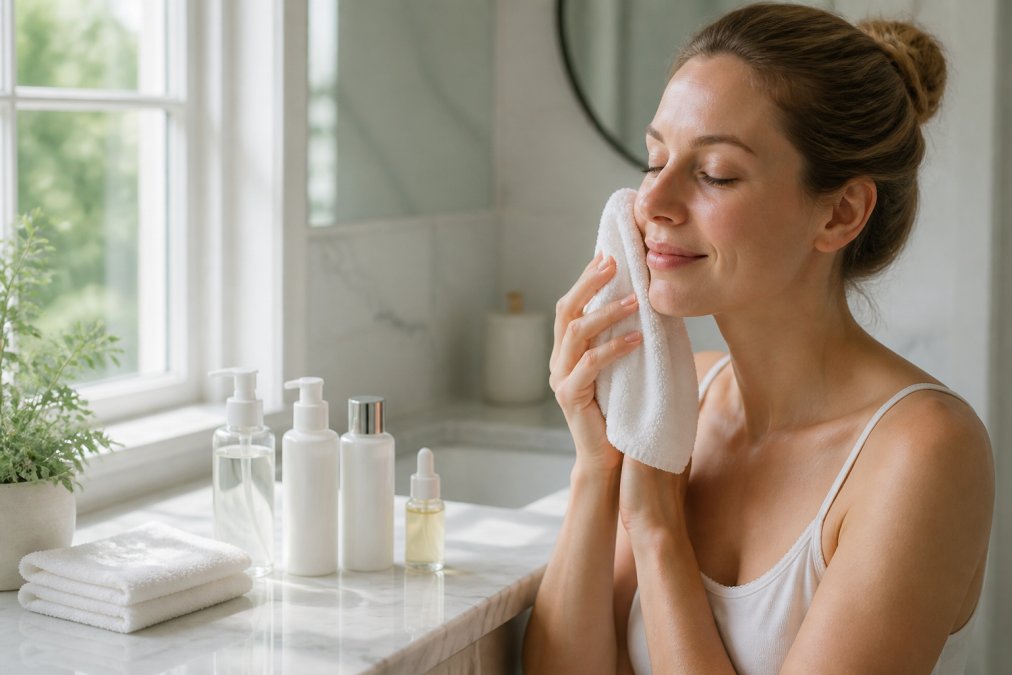
Wash with lukewarm water and a fragrance-free cleanser once or twice daily. Hot water strips barrier lipids and increases transepidermal water loss. Apply moisturizer within a minute of patting dry, while skin is still damp, to lock water in.
Look for short ingredient lists with ceramides, glycerin, or shea butter. Avoid anything labeled "cooling," "tingling," or "refreshing," since those sensations usually come from menthol or alcohol, which irritate reactive skin.
Step 4: Use Natural Remedies for Skin Barrier Repair
Natural remedies for skin barrier repair replace what cleansing removes: lipids, water, and calming compounds. The barrier is your skin's protective layer, a mix of oils, ceramides, and dead cells that keeps irritants out and moisture in. When compromised, redness, stinging, and dryness follow.
What the Barrier Actually Is, and Why the Microbiome Matters
The outermost layer, the stratum corneum, is a brick-and-mortar wall: the "bricks" are flattened skin cells called corneocytes, and the "mortar" is a lipid matrix of ceramides, cholesterol, and free fatty acids. When that mortar thins, water escapes and irritants slip in, so a stripped barrier shows up as redness first.
Living on top of that wall is the skin microbiome, a community of bacteria, fungi, and viruses that keeps harmful organisms in check and helps regulate inflammation. Two habits quietly damage it:
- Over-cleansing and antibacterial products. Repeatedly stripping the skin removes the lipids that beneficial organisms depend on and can favor the wrong microbes, which is one reason antibacterial soaps are not recommended for routine use on reactive skin.
- Loading up on essential oils. Concentrated oils can irritate the barrier and disrupt the microbiome, so "more botanicals" is not automatically better.
The practical takeaway: support the barrier and the microbiome tends to follow. That means gentle cleansing, immediate moisturizing, and a short ingredient list rather than a long one.
Aloe Vera, Green Tea, and Chamomile: What Works and How
Aloe vera gel is roughly 99% water, and its value is in the polysaccharides and glycoproteins that hold moisture against skin and calm irritation. Use it as a light, cooling layer after sun or a flare, not as a standalone moisturizer, since it lacks the lipids a damaged barrier needs.
Green tea contains polyphenols, most notably EGCG, that act as antioxidants and appear to calm inflammatory pathways. Cooled tea bags or a diluted rinse soothe flushed skin; the cool temperature does part of the work, the polyphenols the rest. Green tea is also well tolerated, making it a reasonable first choice for sensitive skin.
Chamomile brings calming compounds including bisabolol and chamazulene, which is why it appears in so many gentle formulas. One caveat: people allergic to ragweed, marigolds, or daisies can react to chamomile, since they share a plant family. If you have seasonal allergies, patch test it first.
How to Layer Them So They Actually Repair the Barrier
These remedies support the barrier but don't rebuild it alone. Pair them with a moisturizer containing lipids and ceramides so skin has the raw materials to repair itself. A simple order that works for most people:
- Cleanse with lukewarm water and a fragrance-free cleanser.
- While skin is still damp, apply a thin layer of aloe, cooled green tea, or a chamomile-based product.
- Seal it in with a barrier moisturizer containing ceramides, glycerin, or shea butter.
- Repeat morning and night, and after any activity that involved heat, sweat, or sun.
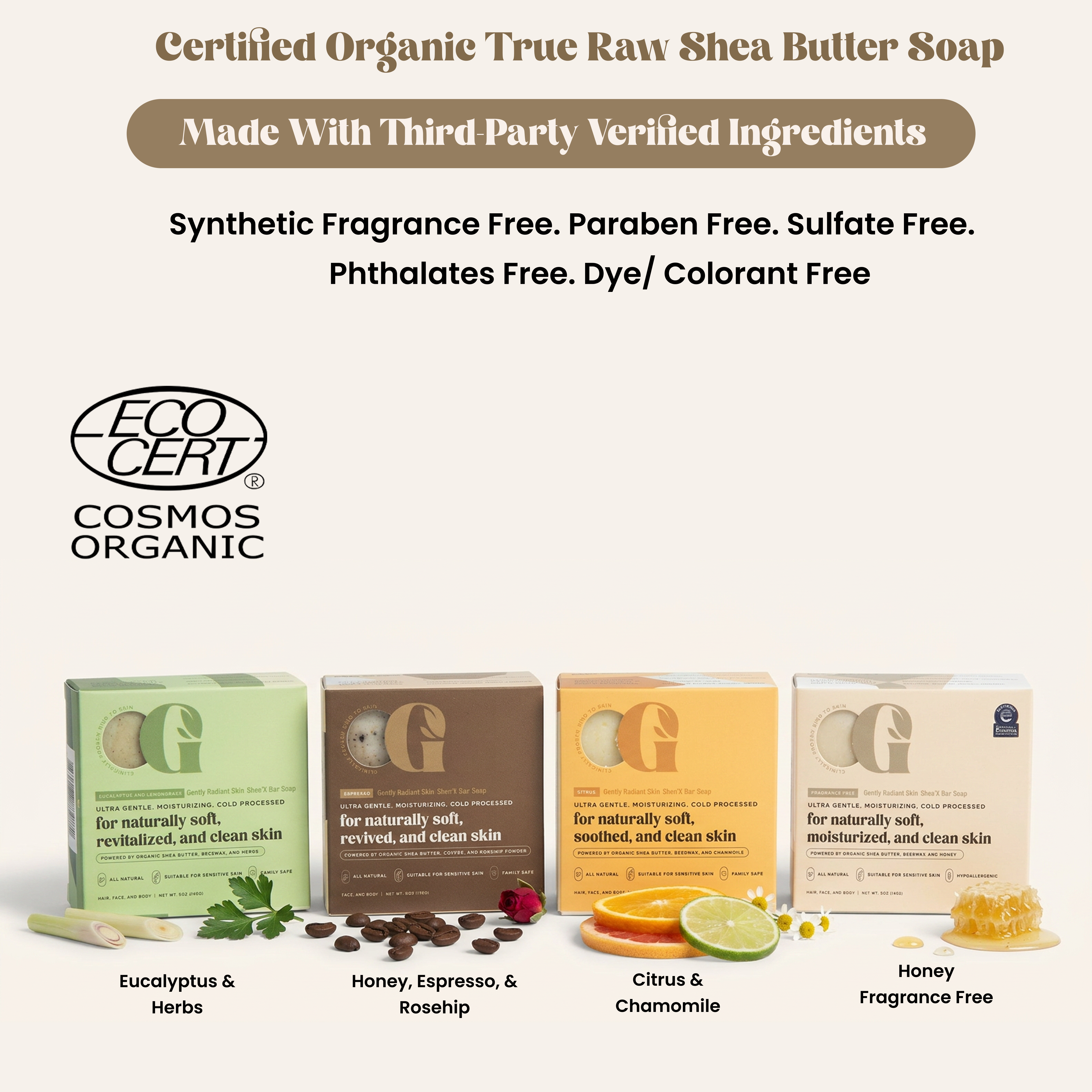
For cleansing, a cold-processed organic shea butter soap does double duty: it cleans without stripping and leaves behind a soft, comfortable feel rather than tightness. That's the logic behind our National Eczema Association's approach to gentle skin care, which emphasizes moisturizing immediately after bathing and choosing products accepted for sensitive skin. Gently Radiant Skin's SheaX bars carry that acceptance, and the 5oz SheaX™ Citrus & Chamomile Bar Soap combines chamomile's calming agents with cold-processed shea butter for exactly this purpose.

Step 5: How to Soothe Eczema on Children Without Harsh Ingredients
To soothe eczema on children, shorten baths, use lukewarm water, and moisturize within three minutes of patting dry. Children's skin is thinner and loses moisture faster, so the barrier needs more frequent support and fewer products.
Skip bubble baths, scented lotions, and antibacterial soaps unless a pediatrician recommends them; they strip the lipid barrier and trigger the itch-scratch cycle. Dress your child in soft cotton, keep nails short, and use a fragrance-free soap.
For cleansing, a fragrance-free bar like the 5oz SheaX™ Honey Fragrance Free Bar Soap avoids the added perfumes that set off most childhood eczema. One customer, Fey E., told us the SheaX Fragrance-Free bar helped her daughter's eczema, and that kind of feedback is why we keep pediatrician approval at the center of what we make.

Step 6: Patch Test Natural Ingredients and Avoid Common Irritants
Patch testing natural ingredients prevents reactions before they cover your face. "Natural" does not mean hypoallergenic; essential oils, botanical extracts, and even aloe can trigger contact dermatitis. This step keeps a mild flare from becoming a week-long one.
Why Natural Ingredients Cause Reactions
Contact dermatitis comes in two forms. Irritant contact dermatitis is direct chemical injury to the barrier, caused by a strong essential oil or exfoliating acid sitting on skin too long. Allergic contact dermatitis is an immune response that can develop after repeated exposure, so a product you used for months can suddenly cause a reaction. That's why retesting new batches matters.
Common offenders in "natural" products include:
- Fragrance and parfum, including many botanical scents
- Essential oils such as citrus, peppermint, lavender, and tea tree
- Alcohol denat, which strips lipids and stings compromised skin
- Sodium lauryl sulfate, a foaming agent that can irritate reactive skin
- Physical scrubs and anything labeled "cooling," "tingling," or "refreshing"
- Preservatives like methylisothiazolinone, found in some "gentle" formulas
How to Patch Test Properly
- Apply a small amount to the inner forearm or behind the ear.
- Leave it uncovered for 24 hours without washing the area.
- Check for redness, itching, or bumps at 24 and 48 hours.
- If the area stays calm, introduce the product to your face.
- Retest if you buy a new batch or formulation.
Test one new product at a time. If you introduce three at once and react, you won't know which caused it and will likely throw out the wrong product.
Drug-Herb Interactions: The Part Most Guides Miss
If you use prescription topicals or take medication, natural remedies are not automatically compatible. Botanical extracts can interact with prescriptions in ways that are easy to overlook:
- Prescription retinoids and exfoliating acids. Layering strong botanicals or scrubs on top increases irritation and can compromise the barrier further, which works against the treatment.
- Oral medications that cause photosensitivity. Some prescription drugs make skin more reactive to sun, so adding a citrus-based botanical or heading outside without mineral sunscreen can trigger a flush.
- Blood thinners and concentrated herbal supplements. Some botanicals can affect clotting or interact with other medications when taken internally, which is a different risk than a topical product.
A simple rule: before adding a concentrated herbal product, especially anything you take by mouth, check with a pharmacist or your prescriber. Bring the actual product label so they can see the full ingredient list, not just the headline botanical.
Step 7: Adjust Your Routine for Seasonal Redness and Lifestyle Factors
Seasonal redness management means matching your routine to the weather. Winter air is dry and indoor heat pulls moisture from skin, so switch to a richer moisturizer and run a humidifier. Summer heat, sweat, and UV dilate blood vessels and worsen flushing, so prioritize shade, mineral sunscreen, and lighter layers.
Lifestyle shifts matter as much as products. Alcohol, spicy food, and caffeine trigger flushing in many people. Poor sleep and chronic stress raise cortisol and weaken the barrier. Gentle exercise, consistent sleep, and stress management reduce flare frequency over time.
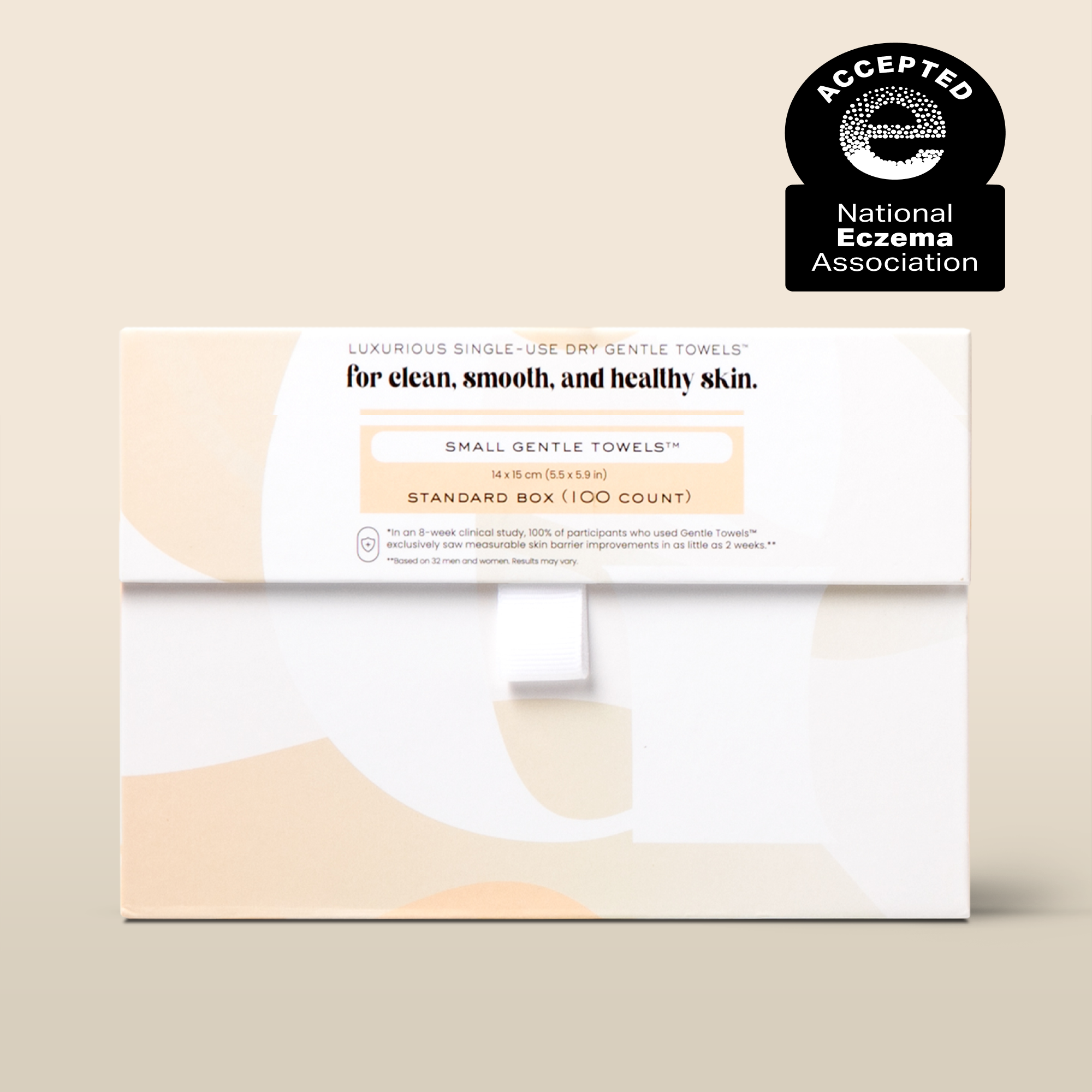
For cleansing in any season, single-use options like Gentle Towels™ help remove makeup and sunscreen without scrubbing, and they're clinically tested to improve the skin barrier in two weeks. Mary I., one of our customers, noted the towels come in so many sizes, which makes them easy to work into any routine.

| Season | Main Trigger | Routine Adjustment |
|---|---|---|
| Winter | Dry indoor heat | Richer moisturizer, humidifier |
| Spring | Pollen, allergens | Rinse after outdoor time, patch test new products |
| Summer | Heat, UV, sweat | Mineral sunscreen, shade, lighter moisturizer |
| Fall | Temperature swings | Reintroduce barrier cream, watch for windburn |
If redness persists despite these steps, or comes with swelling, pain, or pus, see a dermatologist. Natural methods manage mild, recurring redness well, but rosacea, eczema, and infections need medical treatment. A dermatologist can also rule out conditions that mimic simple irritation.
Managing skin redness is a long game, and the hardest part is patience: calming a flare takes days, while rebuilding a barrier takes weeks of consistent, gentle care. Gently Radiant Skin makes that consistency easier with dermatologist and pediatrician approved products, Certified Organic and USDA Bio-based ingredients, and formulas accepted by the National Eczema Association. Start with the SheaX bar that matches your skin's needs and a box of Gentle Towels, and give your barrier the two weeks it needs to recover. Get started with Gently Radiant Skin and shop SheaX today.
Frequently Asked Questions
What are the most effective natural ingredients for soothing red skin?
Cold compresses, aloe vera, green tea, chamomile, and colloidal oatmeal are among the most effective natural ingredients for soothing red skin. These ingredients work by reducing inflammation, calming histamine response, and supporting the skin barrier. Look for products that combine several of these, like a chamomile-infused soap or a green tea toner. Always patch test first, and give any remedy two to four weeks of consistent use before judging results.
How long does it typically take to see results from natural redness treatments?
Most people notice less irritation and flushing within one to two weeks of consistent use. Barrier repair, however, takes longer. Gently Radiant Skin's products are clinically tested to show measurable improvement in skin barrier function in about two weeks, with visible reduction in blemishes by week eight. If redness persists beyond four to six weeks despite natural care, see a dermatologist to rule out rosacea or eczema.
How do I know if my skin redness is caused by eczema or rosacea?
Eczema typically causes dry, itchy, scaly patches, often in skin folds, while rosacea brings persistent facial flushing, visible blood vessels, and sometimes acne-like bumps. Eczema is more common in children; rosacea usually appears in adults over 30. A dermatologist can distinguish them with a physical exam. Natural remedies can soothe both, but rosacea often needs prescription treatment to control flare-ups.
Can I use the same gentle skincare routine for reactive skin on my child with eczema?
Yes, many gentle routines work for both adults and children, but children's skin is thinner and more absorbent. Choose fragrance-free, hypoallergenic products accepted by the National Eczema Association, like cold-processed shea butter soaps. Avoid essential oils and harsh exfoliants. Always patch test on a small area first. If your child's eczema doesn't improve in two weeks or worsens, consult a pediatric dermatologist.