


Sustainable Cleansing: A Clean Skin Club Alternative
Table of Contents
- Why Shoppers Look for a Clean Skin Club Alternative
- What Makes a Cleansing Routine Truly Sustainable
- Biodegradable Face Towels for Sensitive Skin: What to Check
- Reusable vs Disposable Face Towels: An Honest Comparison
- Best Practices for Hygienic Facial Cleansing
- A Gentle, Sustainable Cleansing Routine for Reactive Skin
- Frequently Asked Questions
Last Updated: September 21, 2026
Why Shoppers Look for a Clean Skin Club Alternative
A growing number of skincare shoppers are hunting for a cleanskinclub alternative for sustainable cleansing, and the reasons tend to repeat: cost per use, packaging waste, and a nagging sense that the "sustainable" label on disposable facial towels deserves more scrutiny. At Gently Radiant Skin, we hear these questions constantly from families managing eczema, reactive skin, and acne-prone skin under one roof. This guide breaks down what makes a cleansing routine genuinely sustainable, how biodegradable face towels for sensitive skin actually compare, and which habits keep skin barrier health intact. The goal isn't to talk you out of disposables. It's to help you choose the right format for your skin, your budget, and your waste bin.
What Makes a Cleansing Routine Truly Sustainable
A sustainable cleansing routine balances three factors: what the towel or cloth is made from, how many times you can use it, and what happens to it after. Most marketing focuses only on the first. The honest answer is that no format is automatically greener, the environmental outcome depends on a lifecycle comparison, not a label.
Material matters more than the label. Bio-based fibers such as viscose, cotton, and eucalyptus-derived pulp break down faster than synthetic polyester blends, which can persist in landfills for decades and shed microplastics during laundering. But "bio-based" is not the same as "low impact." Viscose production, for example, typically requires significant chemical processing and water, so a viscose wipe and a conventionally grown cotton washcloth can land in a similar carbon range once production is counted.
Reusability matters just as much, but only if you actually reuse. A washcloth used hundreds of times usually carries a lower carbon footprint per use than a single-use wipe, even a compostable one.
Home Compostable vs. Industrial Compostable: What the Certifications Actually Mean
This is the single biggest point of confusion in sustainable cleansing, so it's worth slowing down.
- Home compostable means the material is certified to break down in a backyard compost pile at ambient temperatures. Look for certifications such as TÜV OK Compost HOME or a comparable third-party mark.
- Industrial compostable means the material needs the high heat, moisture, and microbial activity of a commercial facility. The familiar BPI Compostable logo and TÜV OK Compost INDUSTRIAL fall here. If your municipality doesn't collect food scraps and compostables, an industrially compostable towel will most likely end up in a landfill.
- Biodegradable is the loosest term of the three. It only means the material will eventually break down, it says nothing about how long, under what conditions, or whether the residue is safe. Treat an unqualified "biodegradable" claim as unverified unless the fiber is named.
Biodegradable Face Towels for Sensitive Skin: What to Check
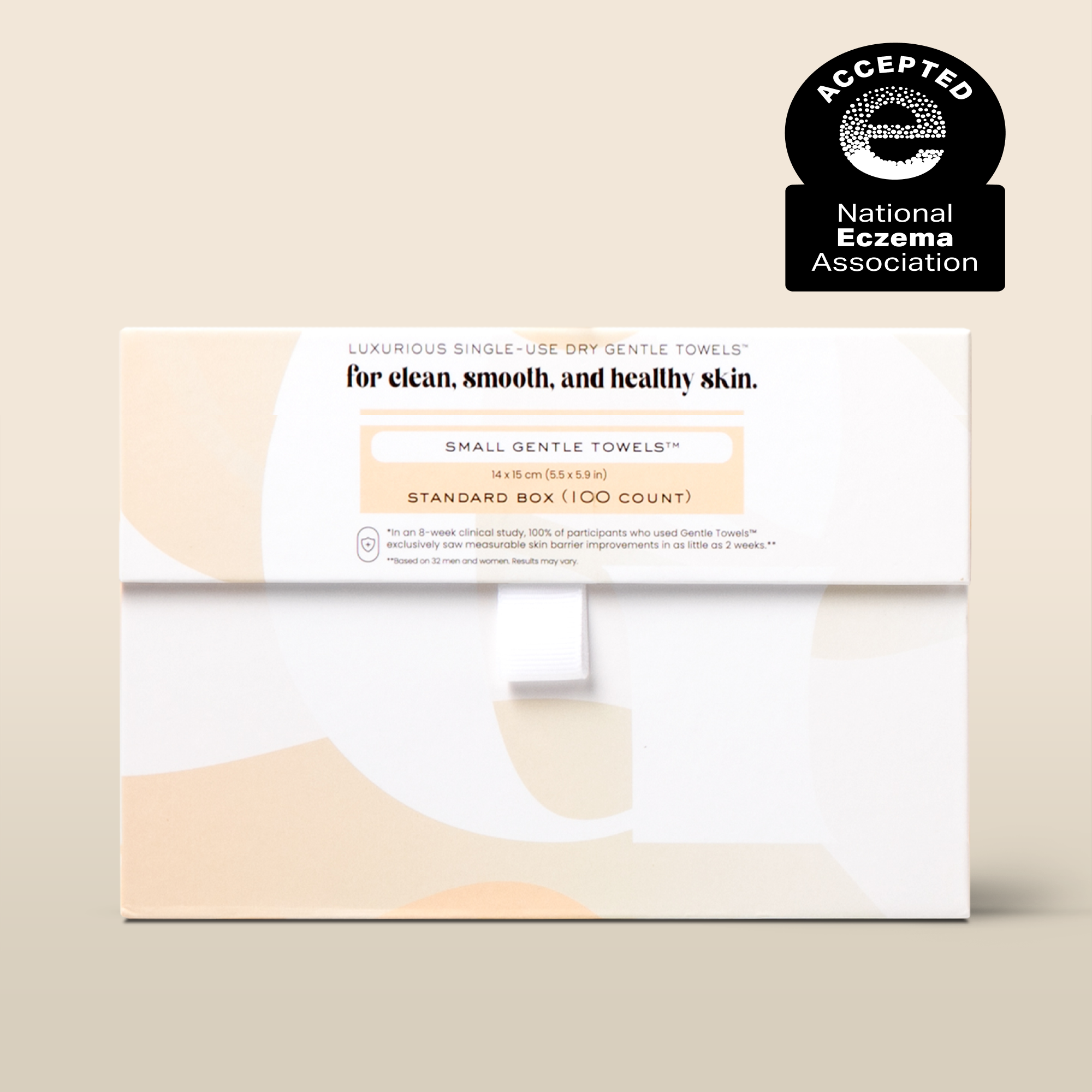
For sensitive skin, the checklist starts with what touches your face, not what happens after. Look for fragrance-free labeling, dermatologist testing, and recognition from groups like the National Eczema Association, which reviews products for irritant potential.
Materials That Break Down vs. Materials That Linger
Viscose, cotton, and eucalyptus-derived fibers typically biodegrade within weeks to months in the right conditions. Synthetic blends, including polyester and nylon, can take years and shed microplastics along the way. If a package says "biodegradable" without naming the fiber, treat that claim as unverified.
Reusable vs Disposable Face Towels: An Honest Comparison
Neither format wins outright. The right choice depends on your skin type, household size, and how much laundry you're realistically willing to do. Most comparisons stop at a generic table, but the decision changes meaningfully once you sort by skin concern.
| Factor | Disposable Facial Towels | Reusable Washcloths |
|---|---|---|
| Hygiene | Fresh, bacteria-free each use | Requires washing after 1-2 uses |
| Skin barrier risk | Low if soft and lint-free | Higher if texture is rough |
| Waste | Single-use, compostable options exist | Textile waste only at end of life |
| Cost per use | Higher per use, lower upfront | Lower per use, higher upfront |
| Laundry load | None | Adds water, energy, and detergent |
| Best for | Reactive skin, acne-prone, travel | Stable skin, low-waste households |
When Disposable Wins
Disposable towels win when hygiene is the priority. Acne-prone and reactive skin benefit from a fresh, bacteria-free surface every time, which reusable cloths can't guarantee unless washed after every use. They also win for travel, shared bathrooms, and anyone managing eczema flares who can't risk reintroducing irritants from a reused cloth. If you're cleansing a child's skin or recovering from a flare, the hygiene margin usually outweighs the waste concern.
When Reusable Wins
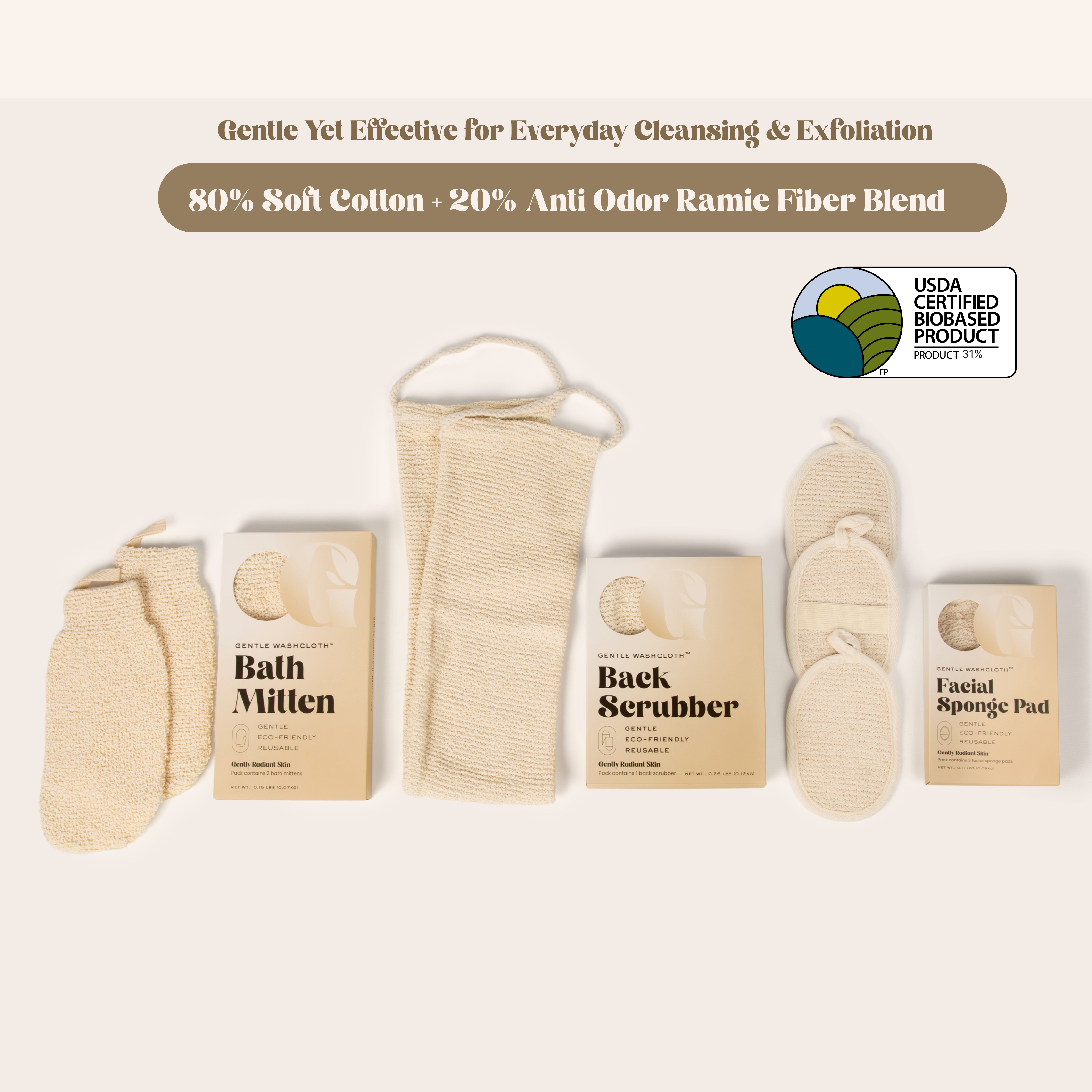
Reusable washcloths win on waste and long-term cost. A well-made cloth made from a USDA certified biobased cotton and ramie fiber blend can last months, and the EPA guidance on textile waste reduction notes that extending a textile's life is one of the most effective ways to cut its environmental impact. The trade-off is laundry: reusable cloths need a wash after one or two uses to stay hygienic, which adds water and energy to the equation.
The Middle Ground: Antimicrobial Reusable Cloths
If disposables feel too wasteful but you don't trust a standard washcloth to stay hygienic between washes, there's a third option most comparisons skip: antimicrobial reusable cloths. Bamboo-derived and silver-ion-treated fabrics are marketed to resist bacterial buildup between uses, which can stretch the wash interval and reduce laundry load.
A few caveats worth knowing:
- Antimicrobial finishes fade. Silver-ion and similar treatments lose efficacy over repeated washing, so the hygiene advantage is temporary.
- "Antimicrobial" is not "sterile." These cloths still need regular washing, they just buy you a little more time.
- Bamboo fiber processing varies. Mechanically processed bamboo (often labeled bamboo linen) retains more of the plant's natural structure than chemically processed bamboo viscose, though both biodegrade.
Sorting by Skin Type
The same format doesn't suit every face. A quick guide:
- Acne-prone skin: Disposable or fresh-per-use cloths reduce the chance of reintroducing bacteria. If you prefer reusable, wash after every single use.
- Rosacea and reactive skin: Prioritize softness and minimal friction. Pat dry, never scrub, and choose lint-free options to avoid fiber residue that can trigger flushing.
- Eczema-prone skin: Fragrance-free, dermatologist-tested disposables are often the safest bet during flares; reusable cloths work between flares if washed in fragrance-free detergent.
- Mature or dry skin: Gentler textures and immediate moisturizing matter more than format. Either option works if you pat rather than drag.
Best Practices for Hygienic Facial Cleansing
Hygienic facial cleansing comes down to four habits: clean hands, fresh tools, gentle pressure, and a fragrance-free cleanser matched to your skin. Skip any one and you undermine the others.
- Wash hands before touching your face
- Use a fresh towel or cloth for each cleanse
- Pat, never scrub, to protect the skin barrier
- Cleanse morning and night, but avoid over-washing reactive skin
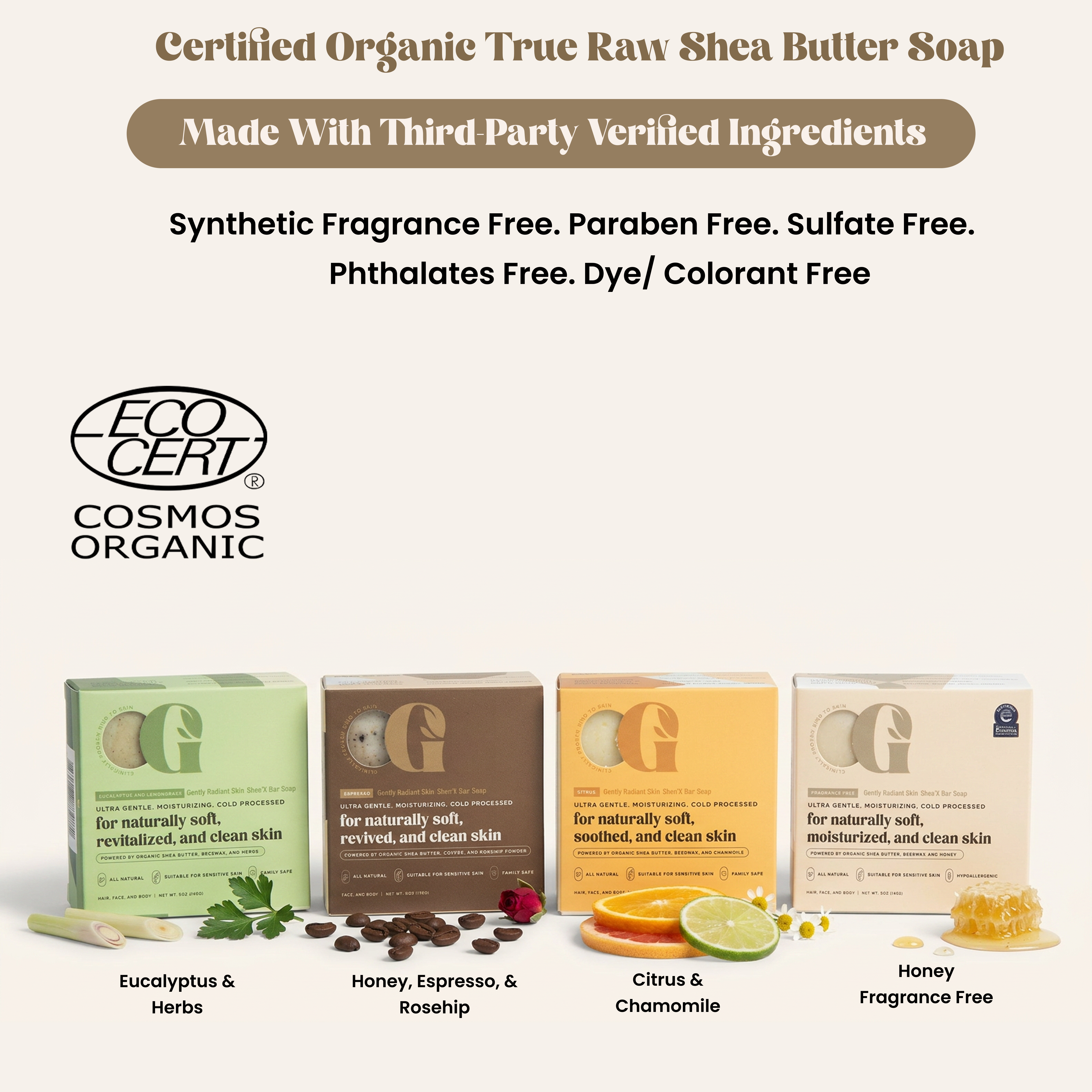
- Store bar soap on a self-draining dish so it dries between uses
- Replace disposable towels after one use, even if they look clean
A Gentle, Sustainable Cleansing Routine for Reactive Skin
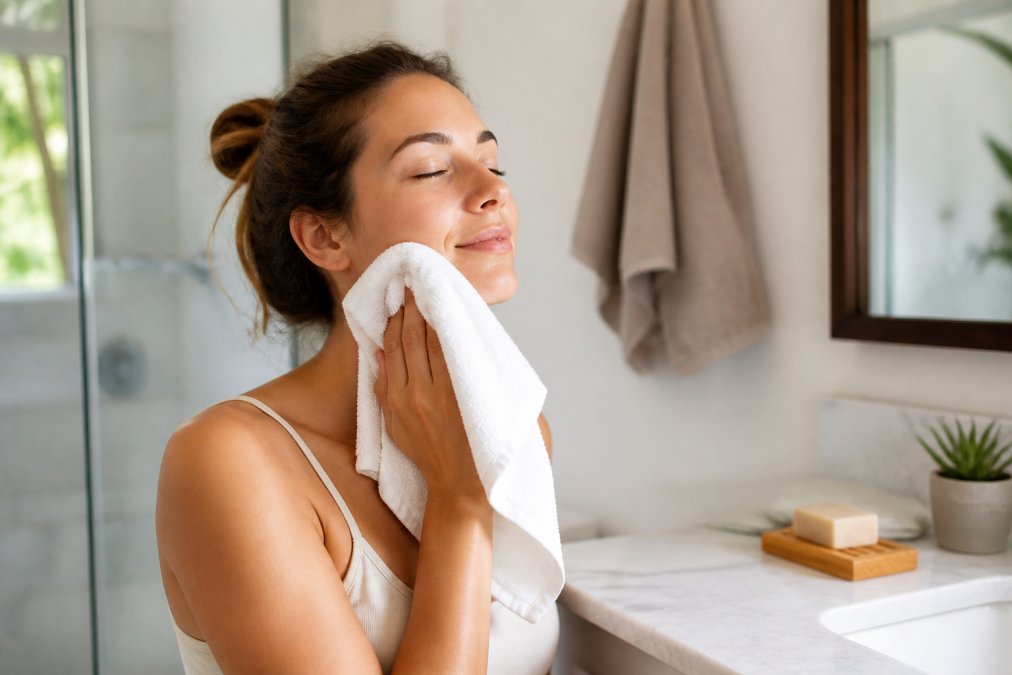
A gentle routine for reactive skin keeps steps minimal and tools clean. Start with lukewarm water, a fragrance-free cleanser, and a soft towel you pat rather than drag across your face.

- Wet face with lukewarm water
- Lather a fragrance-free bar soap in your hands
- Massage gently for 20-30 seconds, avoiding scrubbing
- Rinse thoroughly
- Pat dry with a soft, clean towel
- Follow with moisturizer within one minute
Frequently Asked Questions
Is Clean Skin Club worth it, or are there better sustainable cleansing options?
Clean Skin Club towels are convenient, but they are not the only choice. If sustainability matters to you, look for disposable towels made from USDA Bio-based materials and accepted by the National Eczema Association. Gentle Towels from Gently Radiant Skin are clinically tested, fragrance-free, and proven to improve skin barrier in 2 weeks. They cost $17.50 and come in magnetic flap boxes, so you can use them wet or dry without compromising your eco-conscious values.
What makes biodegradable face towels for sensitive skin different from regular disposable towels?
Biodegradable face towels for sensitive skin are made from materials like viscose or cotton-ramie blends that break down more readily than synthetic fibers. They are also free from harsh chemicals and fragrances that can trigger reactions. Gentle Towels are USDA Bio-based, dermatologist approved, and pediatrician approved, making them suitable for eczema-prone and reactive skin. Check for third-party certifications like the National Eczema Association seal before buying.
Can reusable facial towels be as hygienic as disposable ones?
Reusable towels can be hygienic if you wash them after every single use with fragrance-free detergent and hot water, then dry them fully. However, bacteria can linger in damp fabric, especially in humid bathrooms. Disposable towels eliminate that risk because each one is fresh. If you choose reusable, rotate at least seven cloths per week and never share them.
What should I look for in a sustainable cleansing cloth?
Look for USDA Bio-based or certified organic materials, fragrance-free formulas, and third-party approvals like the National Eczema Association seal. Check whether the cloth is lint-free and residue-free, which matters for makeup removal and sunscreen. Gentle Towels are clinically tested for sensitive skin and accepted by the National Eczema Association. They are also fragrance-free and pediatrician approved, so they work for both adults and children with reactive skin.
How do disposable face towels impact the environment compared to reusable cloths?
Disposable towels create textile waste, but their impact depends on material and disposal. USDA Bio-based towels like Gentle Towels break down more readily than synthetic wipes. Reusable cloths reduce waste but require water, detergent, and energy for laundering, which adds to their carbon footprint over time. A lifecycle view shows neither option is perfect. The most sustainable choice is the one you will actually use consistently and dispose of responsibly, whether that is a biodegradable disposable or a well-maintained reusable set.