


Avoiding Harsh Chemicals in Skincare: A 2026 Guide
Table of Contents
- Why Avoiding Harsh Chemicals in Skincare Matters for Reactive Skin
- The Top 10 Harsh Chemicals to Avoid in Skincare Products
- Common Skincare Allergens to Avoid and Why They Trigger Flare-Ups
- How to Read Skincare Ingredient Labels Like a Dermatologist
- Decoding Greenwashing: When 'Natural' Labels Hide Harsh Chemicals
- Simple Clean Skincare for Reactive Skin in 2026: Routine Swaps That Work
- Repairing Your Skin Barrier After Chemical Exposure
- Conclusion
- Frequently Asked Questions
Last Updated: September 4, 2026
Why Avoiding Harsh Chemicals in Skincare Matters for Reactive Skin
The average person applies more than 100 unique chemicals to their skin each morning, yet most of us have no idea what those ingredients do once absorbed. For anyone with reactive skin, eczema, or chronic sensitivity, the connection between ingredient lists and daily discomfort becomes impossible to ignore.
At Gently Radiant Skin, we have spent years formulating for the most sensitive members of the family. The skin barrier is semi-permeable: ingredients applied topically can enter the bloodstream, and certain compounds are known endocrine disruptors or contact irritants that trigger flare-ups. This guide gives you a framework for identifying those culprits, decoding labels, and building a routine that calms rather than aggravates.
Below, we walk through the specific ingredients to avoid, how to read labels like a professional, and the routine swaps that support skin barrier health. But first, here is what most guides get wrong: they focus on banning a handful of "bad words" without explaining why those chemicals behave the way they do on compromised skin.
The Top 10 Harsh Chemicals to Avoid in Skincare Products
Not all synthetic ingredients are harmful, but a specific group of compounds has a consistent track record of irritation and long-term health concerns. When you are avoiding harsh chemicals in skincare, these are the offenders to memorize. We have included what each chemical does and where it tends to hide.
-
Parabens (methylparaben, propylparaben, butylparaben): Used as preservatives to prevent microbial growth. They are absorbed through the skin and have been detected in human breast tissue. The FDA has not established a legal threshold for parabens in cosmetics, but the agency continues to review safety data. The European Union has banned several parabens, and the discrepancy in regulatory standards is worth noting when you see a product sold in both markets.
-
Phthalates (often hidden under "fragrance"): A group of plasticizers used to make scents last longer. They are known endocrine disruptors linked to reproductive toxicity. Because the term "fragrance" is protected as a trade secret under the Fair Packaging and Labeling Act, manufacturers are not required to disclose which phthalates are in a product. The only way to avoid them is to choose products labeled "fragrance-free" rather than "unscented," since the latter can still contain masking fragrances.
-
Sodium lauryl sulfate (SLS): A surfactant that creates foam and removes oil. It is a known skin irritant that disrupts the stratum corneum, the outermost layer of the skin. SLS is often confused with sodium laureth sulfate (SLES), which is less irritating but can be contaminated with 1,4-dioxane during the ethoxylation process. Look for the "-eth" suffix to identify ethoxylated ingredients.
-
Formaldehyde-releasing preservatives (DMDM hydantoin, diazolidinyl urea, imidazolidinyl urea, quaternium-15): These compounds slowly release formaldehyde over time to prevent bacterial growth. Formaldehyde is a known human carcinogen and a potent contact allergen. The FDA allows these in cosmetics, but the American Contact Dermatitis Society has named formaldehyde as its Allergen of the Year in the past. Products with these ingredients are best avoided entirely, especially for reactive skin.
-
Synthetic fragrances: A single "fragrance" listing can represent hundreds of undisclosed chemicals, many of which are known allergens. The International Fragrance Association publishes a list of restricted substances, but compliance is voluntary. For sensitive skin, fragrance is the most common cause of contact dermatitis, and the reaction can be delayed by hours or days, making it difficult to trace.
-
Triclosan: An antimicrobial agent found in some cleansers and toothpastes. It is classified as an endocrine disruptor and has been linked to thyroid dysfunction. The FDA banned triclosan from over-the-counter antiseptic washes in 2016, but it can still appear in other cosmetic categories, so check labels carefully.
-
Oxybenzone and octinoxate: Chemical UV filters that absorb ultraviolet radiation. Both are potential endocrine disruptors, and oxybenzone has been detected in human blood at levels above the FDA's threshold for waiving safety studies. Hawaii and Key West have banned sunscreens containing these ingredients due to coral reef damage, which highlights the environmental angle of chemical exposure.
-
Hydroquinone: A skin-lightening agent that inhibits melanin production. It is associated with ochronosis, a condition that causes blue-black skin discoloration with prolonged use. The FDA has proposed banning hydroquinone from over-the-counter products, but it remains available in some formulations. It is also a common ingredient in dark spot correctors, so read labels if you are treating hyperpigmentation.
-
PFAS (per- and polyfluoroalkyl substances): Used for water resistance and texture in some cosmetics, including foundations and mascaras. They are called "forever chemicals" because they do not break down in the environment or the body. A 2021 study by the Environmental Working Group found PFAS in over half of the cosmetics tested, yet they are rarely listed on labels because they can be present as byproducts or contaminants.
-
Toluene and lead (trace contaminants): Toluene is a solvent used in nail polish that can cause respiratory irritation and developmental issues. Lead is a neurotoxin that can appear as a contaminant in pigments, especially in lipsticks. The FDA sets limits for lead in candy, but there is no legal limit for lead in cosmetics, leaving consumers to rely on third-party testing.
A common mistake is assuming a product is safe simply because it lists "natural" extracts. Many natural ingredients are extracted using ethoxylation, a process that can create 1,4-dioxane, a known carcinogenic contaminant. The FDA does not require 1,4-dioxane to be listed on labels because it is a byproduct, not an intentional ingredient, so your only defense is knowing which processing methods to avoid.
Common Skincare Allergens to Avoid and Why They Trigger Flare-Ups
Fragrance is the single most common cause of contact dermatitis, yet it remains one of the least regulated categories in personal care products. The term "fragrance" on a label can legally represent dozens of undisclosed chemicals, many of which are known allergens and phthalates. For reactive skin, choosing fragrance-free products is non-negotiable, and this is one area where "unscented" is not the same thing. Unscented products often contain masking fragrances to neutralize the smell of other ingredients, so look for the specific term "fragrance-free."
Beyond fragrance, common skincare allergens to avoid include preservatives like methylisothiazolinone (MI), which is a potent sensitizer, and certain botanical extracts like lavender or citrus oils that can cause phototoxic reactions. The challenge is that allergens are cumulative. Your skin might tolerate a small amount of one irritant, but when combined with others, the skin barrier fails and you get a flare-up. American Academy of Dermatology guidance on contact dermatitis notes that identifying these triggers requires careful patch testing, but avoiding the most common culprits proactively is a reasonable first step for anyone with chronic sensitivity.
How to Read Skincare Ingredient Labels Like a Dermatologist
Reading a label correctly is the difference between a routine that works and one that keeps you in a cycle of irritation. Ingredients are listed in descending order of concentration, so the first five items make up the bulk of the product. Start there.
A practical approach is the "top five" rule. If water, a synthetic detergent, and fragrance dominate the top of the list, the product is likely to strip your barrier. Products that lead with emollients like shea butter or glycerin tend to be more supportive of compromised skin. Next, scan the middle of the list for preservatives and stabilizers, where parabens and formaldehyde-releasing agents typically appear.
The FDA regulates cosmetics under the Federal Food, Drug, and Cosmetic Act, but it does not require pre-market approval for most ingredients. This places the burden of safety monitoring on manufacturers, which is why FDA guidance on cosmetic ingredient labeling emphasizes the importance of consumer awareness. If a label is vague or uses broad terms like "fragrance" or "other ingredients," that is a red flag.
Decoding Greenwashing: When 'Natural' Labels Hide Harsh Chemicals
The term "clean beauty" has no legal definition, which makes it a prime target for greenwashing. A product can claim to be "natural," "plant-based," or "eco-friendly" while still containing synthetic fragrances, parabens, or ethoxylated ingredients. The ingredient list tells the real story.
One of the most deceptive practices is the use of "derived from" language. Cocamidopropyl betaine, for example, is derived from coconut but undergoes significant chemical processing and is a known allergen for some people. Similarly, "mineral-based" sunscreen can still contain nano-particles that penetrate the skin. The lesson is that source does not equal safety.
When you see claims like "dermatologist tested" or "clinically proven," ask what the testing actually measured. Many brands test for short-term irritation on intact skin, which does not predict how a product will behave on a compromised barrier. Environmental Working Group's Skin Deep database methodology provides a useful cross-reference for checking ingredient safety ratings, though it should be used as a screening tool rather than a definitive verdict.
Simple Clean Skincare for Reactive Skin in 2026: Routine Swaps That Work
Building a clean skincare routine for reactive skin in 2026 does not require a 12-step regimen or a second mortgage. It requires fewer, better-chosen products. The most impactful swap is your cleanser, because it has the greatest potential to disrupt your barrier.
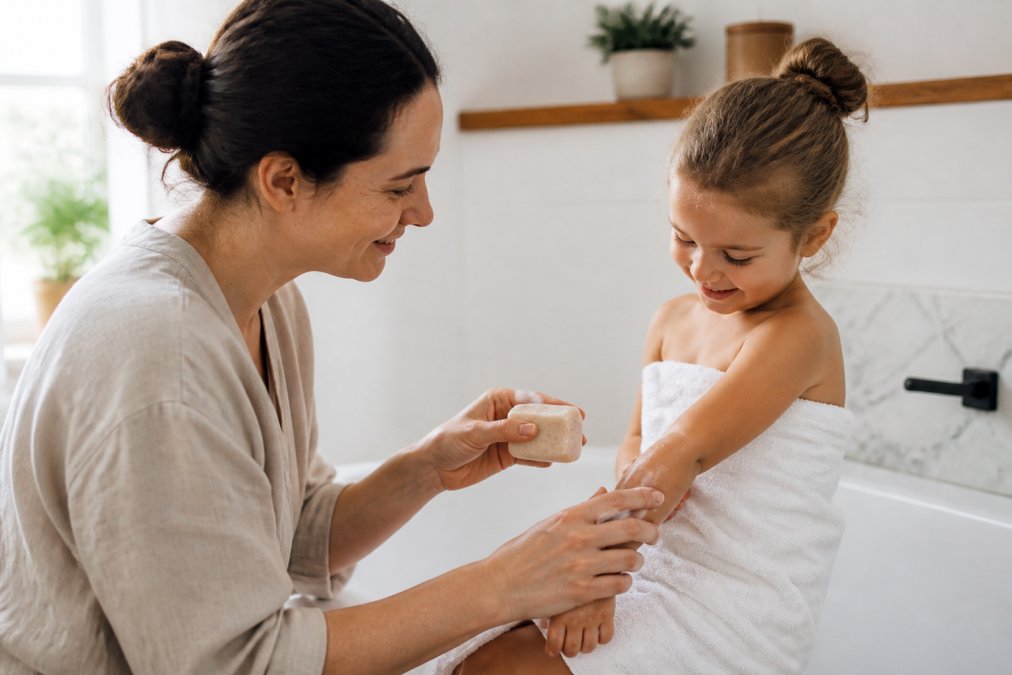
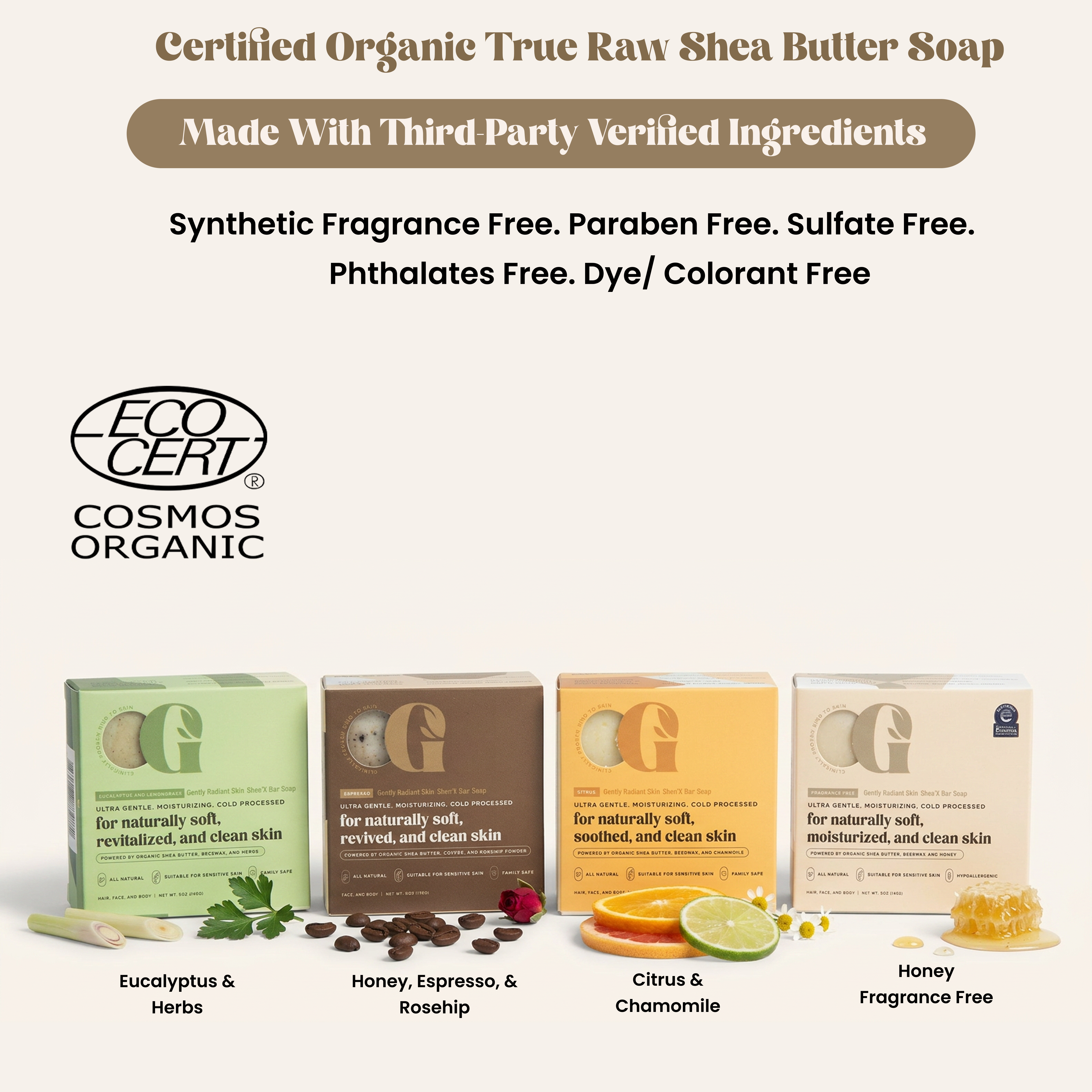
Traditional liquid body washes often rely on sodium lauryl sulphate for their lather, which is why they leave skin feeling tight and "squeaky clean." That feeling is actually a sign of barrier damage. A cold-processed bar soap made with unrefined shea butter, like the SheaX™ Fragrance Free Bar Soap from Gently Radiant Skin, cleanses without stripping the natural lipid layer.

| Swap | Typical Product | Clean Alternative | Why It Works |
|---|---|---|---|
| Body wash | Liquid with SLS and fragrance | Cold-processed shea butter bar | Preserves barrier lipids |
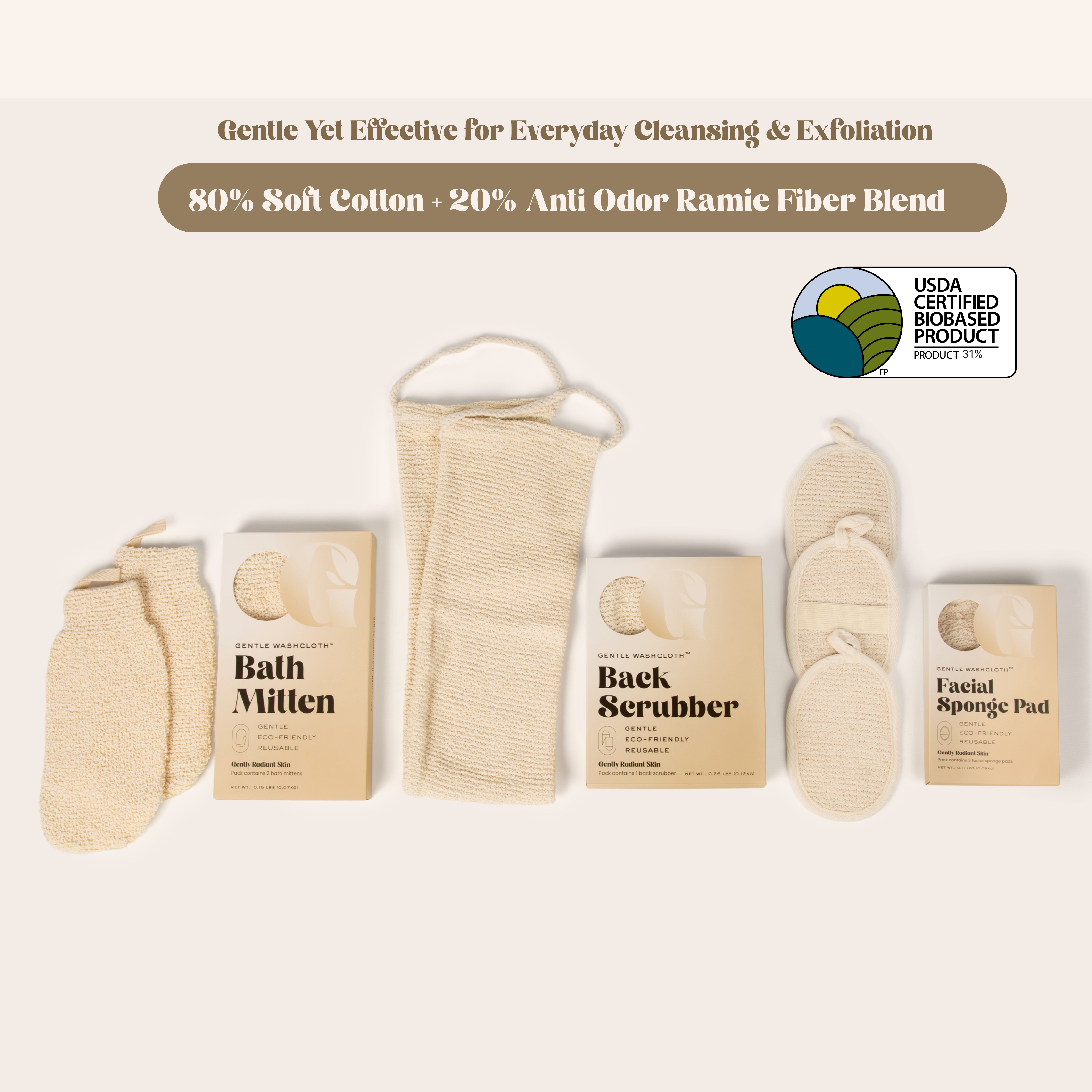
| Facial towel | Reusable cotton (bacteria buildup) | Single-use ultra-soft facial towel | Prevents bacterial transfer |
| Moisturizer | Water-first with synthetic emulsifiers | Shea butter-based balm | Supports barrier repair |
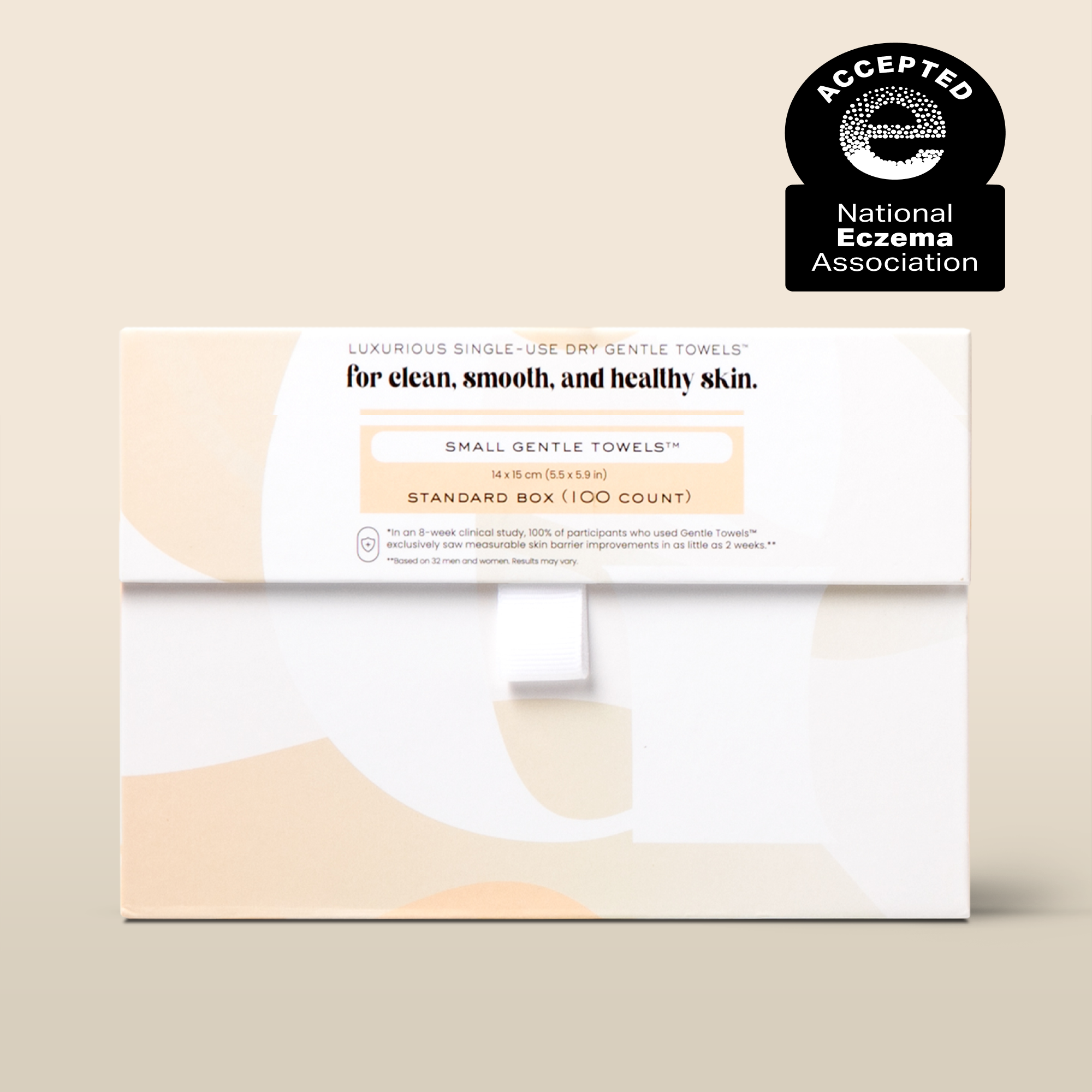
The second swap is your drying method. Reusable washcloths harbor bacteria even when washed, which is problematic for acne-prone and reactive skin. The Gentle Towels™ Daily Facial Towels are single-use, fragrance-free, and clinically tested to improve the skin barrier within two weeks.
Repairing Your Skin Barrier After Chemical Exposure
If you have been using products with harsh chemicals for years, your skin barrier is likely compromised. The signs are familiar: persistent redness, a tight feeling after cleansing, increased sensitivity to products that never bothered you before, and a tendency toward breakouts or eczema patches. The barrier can repair itself, but it needs the right conditions.
The first step in barrier repair is removing the offending agents. This means switching to a fragrance-free, SLS-free cleanser and giving your skin a break from active ingredients like retinoids and chemical exfoliants. The second step is providing the building blocks for repair: ceramides, fatty acids, and cholesterol. Unrefined shea butter is rich in these lipids.
The final step is patience. Skin cell turnover takes roughly 28 days, and repairing a damaged barrier typically takes two to four weeks of consistent care. National Eczema Association resources on skin barrier function emphasizes that moisture retention is the core of managing reactive skin. Products accepted by the National Eczema Association, like the SheaX line, have been reviewed for ingredients that are known to be safe for compromised skin.
Conclusion
Avoiding harsh chemicals in skincare is a commitment to reading labels, questioning marketing claims, and understanding that your skin barrier is a living organ that responds to what you put on it. The path forward is not about perfection; it is about making informed swaps that reduce your cumulative exposure to known irritants and endocrine disruptors.
Gently Radiant Skin was built around this philosophy. Our cold-processed shea butter soaps and single-use facial towels are dermatologist and pediatrician approved, accepted by the National Eczema Association, and formulated with certified organic ingredients that support barrier health rather than compromise it. When you are ready to make the switch, explore the SheaX™ Bar Soap collection and feel the difference of cleansing that restores.

Frequently Asked Questions
What are the top 5 ingredients to avoid in skincare products?
The top ingredients to avoid are phthalates, parabens, sodium lauryl sulphate (SLS), formaldehyde-releasing preservatives, and synthetic fragrances. These are common triggers for irritation and are linked to endocrine disruption. For truly reactive skin, also watch for triclosan and certain PFAS chemicals often found in long-wearing or waterproof products. Choosing fragrance-free, certified organic options like the SheaX bar soap helps you sidestep these harsh chemicals entirely.
How can I tell if a skincare product contains harsh chemicals?
The most reliable method is to read the ingredient label, not the front of the package. Look for the specific names of allergens and irritants, such as 'fragrance (parfum)' or 'methylisothiazolinone'. Be wary of terms like 'unscented' which can still contain masking fragrances. For a simpler approach, choose products with short, recognizable ingredient lists that are certified organic and accepted by the National Eczema Association, which verifies products are free from known harsh chemicals.
Are natural skincare products always safer for reactive skin?
No, natural does not automatically mean safe or gentle. Essential oils, citrus extracts, and even certain botanical oils can be potent allergens and irritants for sensitive or eczema-prone skin. The term 'natural' is also unregulated, which leads to greenwashing. The safest choice for reactive skin is a product that is both clinically tested and fragrance-free, like Gently Radiant Skin's Gentle Towels, which are proven to improve the skin barrier, regardless of whether every single ingredient is plant-derived.
Get started with Gently Radiant Skin and give your reactive skin the gentle, effective care it deserves.
This article was written using GrandRanker