


How to Clean Sensitive Skin Properly
Table of Contents
- Why Your Current Cleansing Routine May Be Causing Redness and Irritation
- Step-by-Step Guide: How to Clean Sensitive Skin Properly
- How to Remove Makeup Without Scrubbing
- How to Dry Sensitive Skin Properly
- Best Gentle Cleansers for Sensitive Skin: What to Look For
- Common Cleansing Mistakes That Damage Your Skin Barrier
- Signs Your Cleanser Is Causing Irritation and What to Do
- Final Thoughts on Your Sensitive Skin Cleansing Ritual
- Frequently Asked Questions
Last Updated: September 8, 2026
If your skin feels tight, looks red, or stings after washing, the problem is rarely your skin itself, it's how you're cleansing. Properly cleaning sensitive skin is a specific technique, not just a matter of buying the right bottle.
Why Your Current Cleansing Routine May Be Causing Redness and Irritation
Most people treat cleansing like a scrubbing job. The instinct to use hot water, a rough washcloth, and a foaming cleanser to "really get clean" is understandable, but it is the single fastest route to damaged, reactive skin. Hot water and harsh surfactants dissolve the natural oils that hold moisture in, leading to transepidermal water loss.
The skin barrier is a delicate structure of lipids and ceramides. Frequent exposure to astringent ingredients or overly hot water disrupts this structure faster than it can repair itself, creating a painful cycle: the more you strip your skin, the more sensitive it becomes. Breaking that cycle starts with unlearning the "squeaky clean" feeling as a sign of success.
Step-by-Step Guide: How to Clean Sensitive Skin Properly
The goal of cleansing sensitive skin is to remove impurities without compromising the skin's moisture barrier. This requires attention to three variables: water temperature, product formulation, and physical technique.
Step 1: Choose the Right Water Temperature
Hot water feels relaxing, but it is terrible for sensitive skin. Heat opens pores too aggressively and strips essential lipids. The correct temperature is lukewarm water, which feels neutral against your wrist, sufficient to soften debris and activate your cleanser without triggering inflammation.
Step 2: Pick a Gentle, pH-Balanced Cleanser
Your skin's natural pH sits around 4.5 to 5.5, slightly acidic (peer-reviewed research). Many conventional soaps are alkaline, which disrupts this balance. Look for a cleanser labeled soap-free, fragrance-free, and pH-balanced. For most sensitive skin types, a cleansing lotion or a cold-processed bar made with emollients like shea butter is safer than a foaming cleanser, which often relies on harsh surfactants.
Step 3: Use the Correct Cleansing Technique
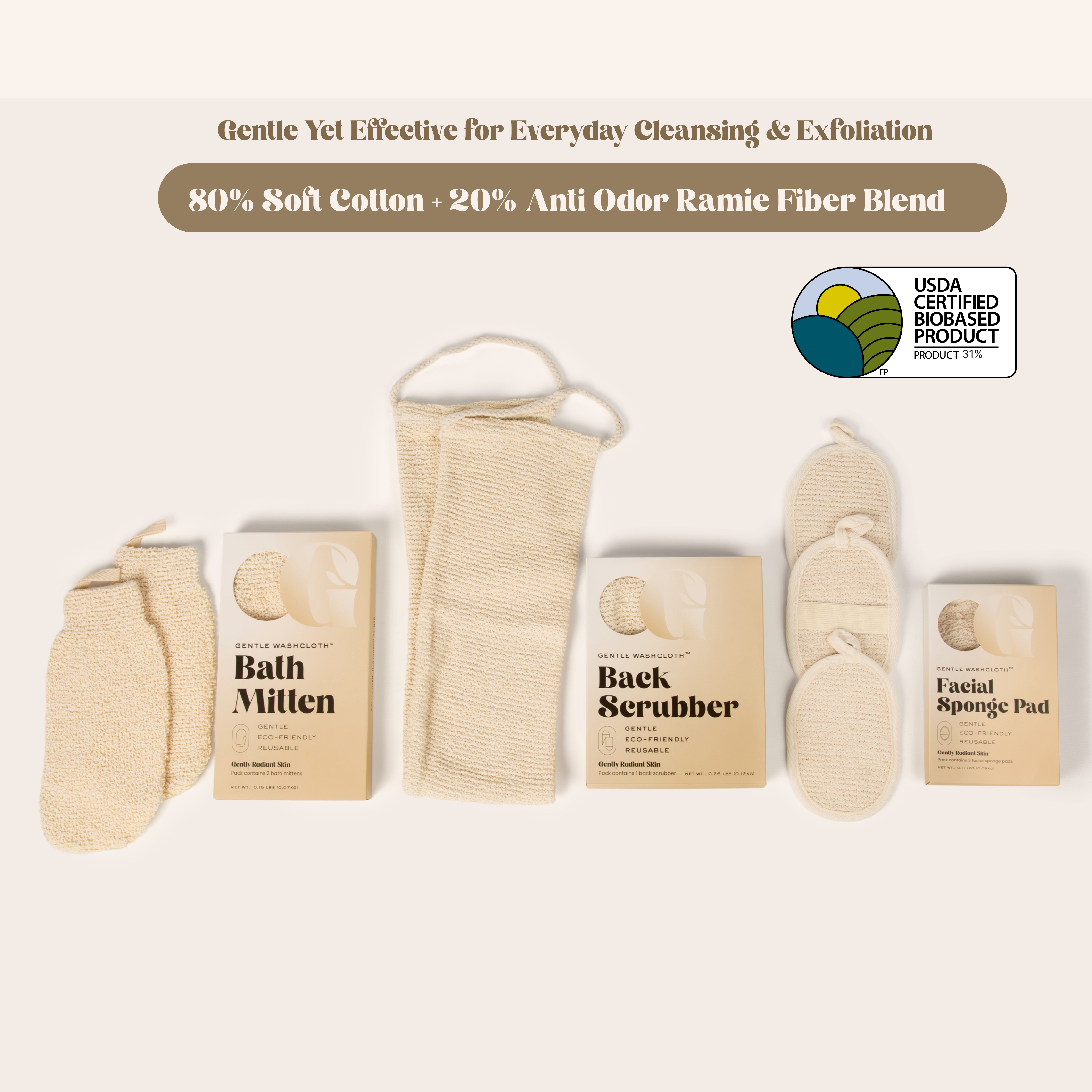
Once your hands are clean, apply the cleanser using a gentle massage with your fingertips. Use light, circular motions for no more than 60 seconds. Scrubbing harder or longer does not improve results; it only increases friction and irritation. A common mistake is using a rough washcloth or a facial brush, which causes micro-exfoliation and microscopic tears. Rinse with lukewarm water, using your hands to sweep away the product, and ensure no residue remains around the hairline or jaw.
How to Remove Makeup Without Scrubbing
Removing makeup is where most routines damage sensitive skin, because stubborn products tempt you into aggressive rubbing. The solution is not more elbow grease; it's the right texture. A cleansing balm or oil applied to dry skin will break down sunscreen and waterproof makeup effectively.
Apply the balm or oil in a thin layer and let it sit for 30 seconds to melt the makeup. Then, add a little lukewarm water to emulsify it into a milk, and gently massage it off. For stubborn eye makeup, hold a soft cotton pad soaked in micellar water over your lashes for 10 seconds before wiping. The friction from rubbing is what causes redness and broken capillaries, not the makeup itself.
How to Dry Sensitive Skin Properly
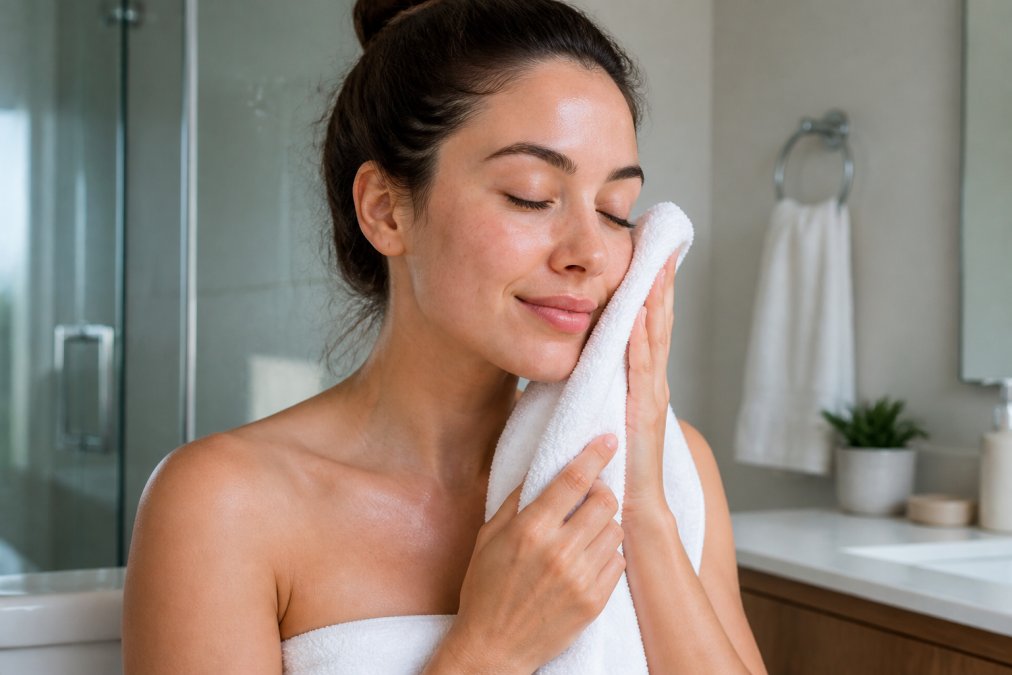
Drying your face with a standard bath towel is a hidden source of irritation. Terry cloth is abrasive, and rubbing your face to dry it creates friction that damages the skin barrier. The correct method is patting, not rubbing. After rinsing, gently press a soft, clean towel against your skin to absorb excess water.
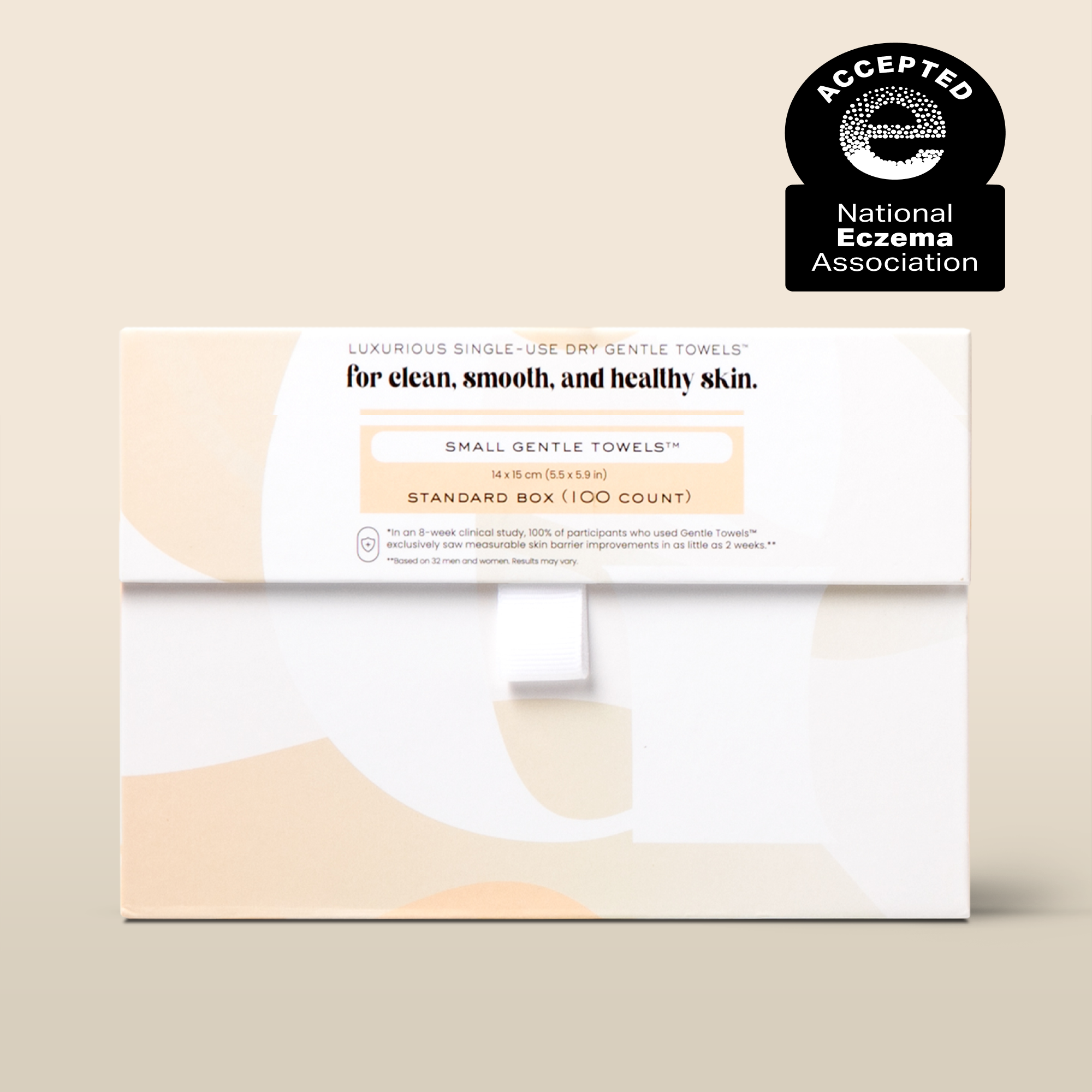
The type of towel matters as much as the technique. Standard cotton towels can harbor bacteria and are often too rough for reactive skin. Ultra-soft facial towels, like the Gentle Towels™ from Gently Radiant Skin, are designed specifically for this purpose. They are clinically tested, fragrance-free, and disposable, which prevents bacterial transfer. Pat your face dry, then apply moisturizer within 60 seconds to lock in hydration.

Best Gentle Cleansers for Sensitive Skin: What to Look For
Choosing a cleanser requires reading the ingredient list like a detective, but it also requires understanding how those ingredients interact with the rest of your routine. A cleanser that is gentle on its own can still cause a reaction if it conflicts with another product you use daily.
The Interaction Problem: Why Your Routine Might Still Be Failing
Your skin's barrier is a layered structure of lipids and ceramides. A cleanser's job is to remove debris without dissolving that structure. However, the pH and ionic charge of your cleanser can interact with the active ingredients you apply afterward. For example, a cleanser that leaves a slightly alkaline residue (a pH above 6) can neutralize a subsequent vitamin C serum. For sensitive skin, this pH swing can trigger a temporary inflammatory response.
A common pattern is the use of a foaming cleanser containing sodium lauryl sulfate (SLS) followed by a moisturizer with hyaluronic acid. SLS can denature the skin's natural moisturizing factors, and when hyaluronic acid is applied to skin stripped of these factors, it can draw water from deeper layers to the surface, leading to paradoxical dryness. The fix is to switch to a non-foaming, cream-based cleanser that preserves the barrier.
A Practical Ingredient Interaction Checklist
Review your cleanser against the products you use immediately after:
- Cleanser with SLS or other sulfates → Avoid pairing with any leave-on product containing vitamin C or alpha-hydroxy acids (AHAs). The sulfate strips the barrier, making the acid more penetrating and more likely to cause stinging.
- Cleanser with salicylic acid (BHA) → Do not follow with a retinol in the same routine. Both increase cell turnover and can cause excessive peeling and redness. Use the BHA cleanser in the morning and retinol at night, or alternate days.
- Cleanser with a high pH (above 6) → This is common with traditional bar soaps. It disrupts the acid mantle, making your skin more vulnerable to any subsequent product with fragrance or essential oils. Look for a pH-balanced cleanser (4.5-5.5) to keep the acid mantle intact.
- Cleanser with plant oils (e.g., coconut, olive) → These are occlusive. If you follow with a water-based serum, the serum may not penetrate. This isn't harmful, but it can lead to clogged pores if you also use a heavy moisturizer. For sensitive, acne-prone skin, use an oil-based cleanser only as a first step in a double-cleanse, then follow with a water-based gentle cleanser.
The Role of Hard Water
One overlooked variable is the water itself. Hard water, water with high concentrations of calcium and magnesium, reacts with soap to form a film on the skin that can trap bacteria and irritants. If your cleanser doesn't lather well or your skin feels filmy after rinsing, a chelating agent such as disodium EDTA can bind to these minerals. If your cleanser lacks this, consider a shower-head filter designed to soften water.
Budget-Friendly vs. Medical-Grade: A Decision Framework
The market splits into two broad categories: drugstore staples and clinical-grade products. The difference is not always quality; it is the concentration and delivery system of barrier-repairing ingredients.
- Drugstore staples (e.g., Cetaphil Gentle Skin Cleanser, CeraVe Hydrating Facial Cleanser) are excellent for maintaining a healthy barrier. They contain ceramides and glycerin at concentrations sufficient for daily maintenance. They are the right choice if your skin is generally calm and you just need a non-irritating cleanse.
- Medical-grade or clinical products (e.g., SkinCeuticals Gentle Cleanser, La Roche-Posay Toleriane Hydrating Gentle Cleanser) often contain higher concentrations of niacinamide, ceramides, or thermal spring water with anti-inflammatory properties. They are formulated for skin that is actively reactive, red, stinging, or diagnosed with rosacea or eczema. If your skin reacts to most products, a clinical-grade option with a minimal ingredient list is often worth the higher cost.
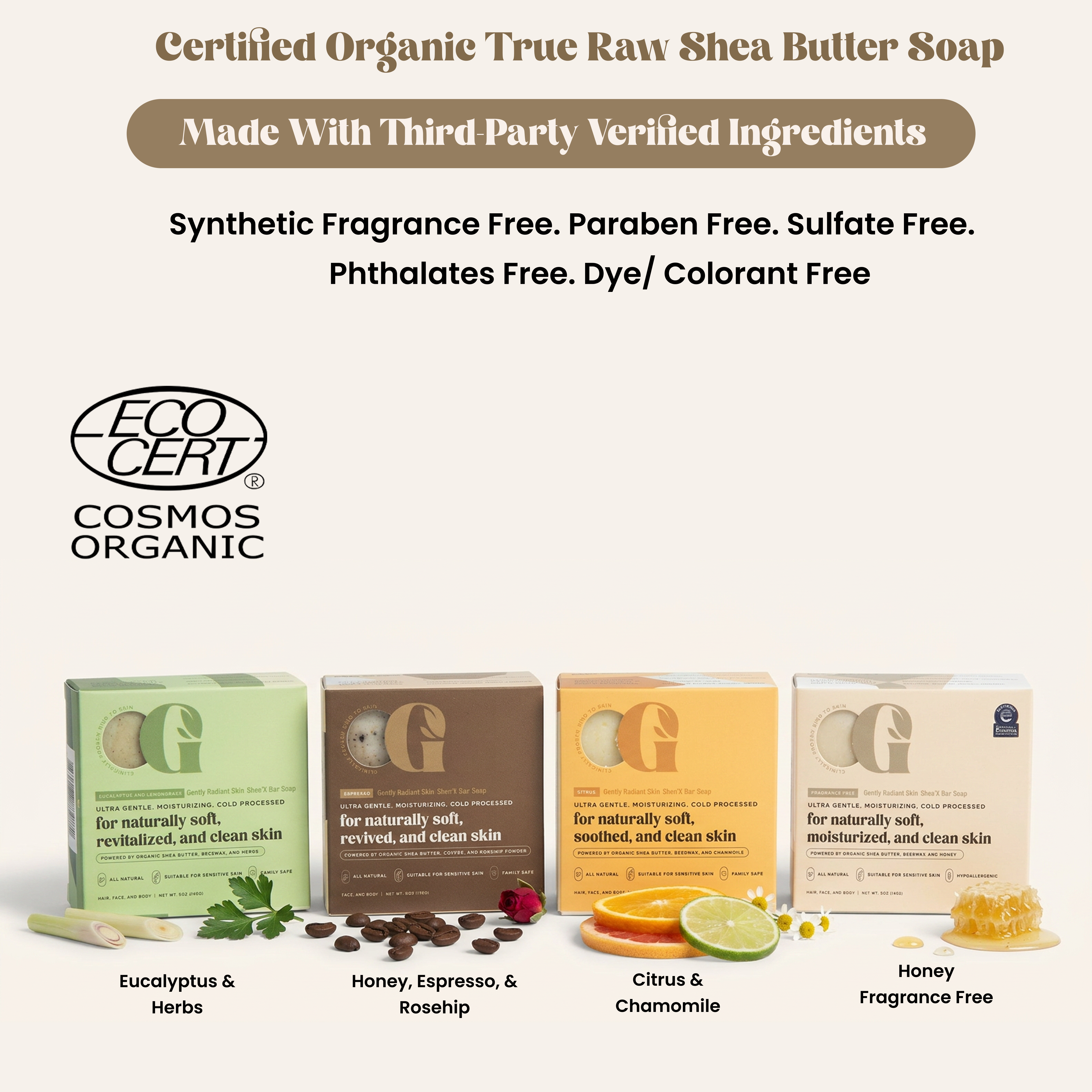
For a fragrance-free option that calms sensitive skin, the 5oz SheaX™ Honey Fragrance Free Bar Soap from Gently Radiant Skin is designed to soften and cleanse without compromising comfort. It is cold-processed, which preserves the natural glycerin and unrefined shea butter, and it is accepted by the National Eczema Association. Its pH is balanced to match your skin's natural acidity, making it a safe choice for both maintenance and reactive phases.

Common Cleansing Mistakes That Damage Your Skin Barrier
Several daily habits can sabotage your skin barrier without you realizing it. Over-cleansing, washing your face more than twice a day, strips away protective oils, triggering rebound oiliness or dryness. Many people also skip moisturizing immediately after cleansing, allowing moisture to evaporate from the skin.
| Mistake | Why It Hurts | The Fix |
|---|---|---|
| Hot water | Strips lipid barrier, causes redness | Use lukewarm water |
| Harsh scrubbing | Causes micro-tears and inflammation | Use gentle massage, pat dry |
| Skipping moisturizer | Leads to transepidermal water loss | Apply moisturizer within 60 seconds |
| Over-cleansing | Disrupts skin microbiome | Limit washing to twice daily |
| Using fragrance | Triggers allergic reactions | Choose fragrance-free formulas |
The Stress-Skin Connection: Why You Over-Cleanse
The skin microbiome, the community of beneficial bacteria on your skin, is also affected by over-cleansing. Harsh products and excessive washing can wipe out these protective bacteria. But there is a deeper driver of these mistakes that most guides ignore: the psychological loop of chronic irritation.
When your skin is red, itchy, or flaky, the natural response is to try to "fix" it by washing more often or scrubbing harder. This is a stress response. Psychological stress increases cortisol levels, which can impair the skin barrier's ability to repair lipids. A 2021 review in the Journal of Investigative Dermatology noted that stress delays barrier recovery and increases transepidermal water loss (PubMed).
This creates a behavioral trap: you cleanse to feel in control, but the cleansing itself prolongs the irritation. Breaking the cycle requires a deliberate reduction in cleansing frequency, not an increase. If you wash your face three times a day, cut back to once in the evening and just rinse with lukewarm water in the morning.
The Environmental Trigger: Pollution and Particulate Matter
Another mistake is ignoring what is in the air. Urban pollution, specifically particulate matter (PM2.5), adheres to the skin and generates free radicals that trigger inflammation. The correct approach is a two-step process: first, use a gentle cleansing oil or balm to lift oil-soluble pollutants and sunscreen, then follow with a water-based cleanser to remove water-soluble debris. Skipping the first step leads to over-rubbing.
The Humidity Mistake
Many people use the same cleanser year-round, but humidity changes how your skin behaves. In low-humidity winter air, your skin produces less sebum, so a cleanser that worked in summer may now be too stripping. A practical rule: if your skin feels tight within five minutes of cleansing, your cleanser is too strong for the current humidity level. Switch to a cream or lotion cleanser during dry months and a gel cleanser during humid months.
The Emotional Cost of Chronic Irritation
The psychological impact of chronic skin irritation is rarely discussed, but it is real. A study from the American Academy of Dermatology found that nearly 30% of patients with sensitive skin report significant anxiety or depression related to their condition (the American Academy of Dermatology). This emotional burden can lead to "product hopping", constantly switching cleansers in search of a miracle fix. The most effective strategy is often the opposite: pick one gentle, fragrance-free cleanser and stick with it for at least four weeks. Consistency is a form of skin therapy.
Signs Your Cleanser Is Causing Irritation and What to Do
Your skin will tell you when a product is wrong. Immediate signs include a burning or stinging sensation during application, which is never normal. Other indicators include persistent redness, tightness, itchiness, or small bumps that aren't typical acne. If you notice any of these symptoms, stop using the product immediately and rinse with plain lukewarm water.
A common mistake is assuming your skin is "purging" or adjusting to a new product. True purging only occurs with ingredients that increase cell turnover, like acids or retinoids. A cleanser should never cause purging. If you experience a reaction, return to a basic routine of lukewarm water and a fragrance-free, gentle cleanser. Before introducing any new product, perform a patch test on your inner arm or behind your ear for 48 hours.
Final Thoughts on Your Sensitive Skin Cleansing Ritual
Cleansing sensitive skin properly is less about the products you buy and more about the respect you show your skin's natural barrier. By using lukewarm water, a gentle pH-balanced cleanser, and a soft patting motion to dry, you can remove impurities without causing inflammation. A calm, healthy complexion is built on consistent, gentle habits, not aggressive scrubbing.
Choosing the right products makes this ritual easier and more effective. At Gently Radiant Skin, we design our cleansing essentials, from cold-processed shea butter soaps to ultra-soft facial towels, to support your skin barrier rather than strip it. Our SheaX™ bars are clinically tested, accepted by the National Eczema Association, and designed to improve your skin barrier in just two weeks. Get started with Gently Radiant Skin and give your sensitive skin the gentle, restorative cleanse it deserves.
Frequently Asked Questions
How often should you wash sensitive skin?
Most dermatologists recommend cleansing sensitive skin twice a day: once in the morning and once in the evening. Over-cleansing strips the lipid barrier, leading to transepidermal water loss and increased reactivity. Evening cleansing removes sunscreen, pollutants, and makeup, which is essential. In the morning, a splash of lukewarm water may be enough if your skin feels tight or dry. Adjust frequency based on your skin's response, but avoid washing more than twice daily to protect your skin microbiome.
Does water temperature affect sensitive skin?
Yes, water temperature significantly affects sensitive skin. Hot water breaks down the lipid barrier and triggers inflammation, redness, and itchiness. Cold water constricts blood vessels and may not effectively dissolve oils and dirt. Lukewarm water is the safest choice for cleaning sensitive skin properly. It helps cleanse without stripping natural oils or shocking reactive skin. Always test the water on your wrist first to ensure it feels neutral, not warm or cool.
What is the most hygienic way to clean sensitive skin?
The most hygienic way to clean sensitive skin is to use a fresh, clean tool for each wash. Reusable washcloths can harbor bacteria between uses, which may trigger breakouts or irritation. Ultra-soft, single-use facial towels, like Gently Radiant Skin's Gentle Towels, offer a clinically tested, fragrance-free option that prevents bacterial transfer. They are USDA bio-based and accepted by the National Eczema Association, making them a safe choice for reactive skin.
What are the 5 signs of skin sensitivity?
The five common signs of skin sensitivity are redness, tightness, itchiness, stinging or burning sensations, and visible dryness or flaking. If you experience these symptoms after cleansing, your skin barrier may be compromised. Other indicators include a tendency toward inflammation and reactions to fragrance or alcohol-based products. Switching to a soap-free, pH-balanced cleanser and lukewarm water can help calm these symptoms. Persistent reactions warrant a patch test with new products and a consultation with a dermatologist.