


How to Incorporate Cold Processed Soap Into Your Daily Routine
Table of Contents
- Why Cold Processed Soap Deserves a Spot in Your Daily Routine
- Step 1: Match Cold Processed Soap to Your Skin Type
- Step 2: Build a Morning and Evening Cleansing Ritual
- The Best Organic Soap for Sensitive Skin: What to Look For
- The Benefits of Shea Butter in Soap for Daily Use
- How to Store Handmade Soap So It Lasts
- Making the Switch Sustainable: Disposal and Eco-Friendly Habits
- Common Mistakes When Using Cold Processed Soap Daily
- Frequently Asked Questions
Last Updated: October 2, 2026
Why Cold Processed Soap Deserves a Spot in Your Daily Routine
Cold processed soap is made by mixing oils with lye, letting the mixture harden slowly without extra heat, then curing it for weeks. That slow cure leaves natural glycerin in the bar, which pulls moisture toward your skin instead of stripping it away.
At Gently Radiant Skin, we built our whole cleansing line around this idea. Most drugstore bars are made with heat and have the glycerin removed so they last longer on a shelf.
For sensitive or reactive skin, this is the difference between a cleanser you tolerate and one you look forward to using.
Here is how to work a bar like this into your routine, plus the storage habits and skin-matching rules that make it last.
Step 1: Match Cold Processed Soap to Your Skin Type
The right cold processed soap depends on your skin type, not on which bar smells nicest. A bar built for oily skin feels harsh on dry, reactive skin, and a rich butter bar can feel heavy on acne-prone skin. Match the bar to your skin first, then worry about scent and packaging.
Eczema-Prone and Reactive Skin
Fragrance is the most common trigger for reactive skin. Look for fragrance-free bars with short ingredient lists; shea butter and colloidal oatmeal support the skin barrier rather than stripping it.
A common mistake is assuming "natural" fragrance oils are gentler than synthetic ones. For reactive skin, both can cause a flare. Skip scent entirely until your skin settles.
Acne-Prone and Combination Skin
Acne-prone skin does well with bars that clean thoroughly without over-drying. Over-drying backfires: your skin produces more oil to compensate, and breakouts get worse.
Look for bars with lighter carrier oils rather than heavy butters. Avoid scrubbing hard. A soft washcloth used gently removes more debris than aggressive rubbing ever will.
Step 2: Build a Morning and Evening Cleansing Ritual
A simple two-step routine works best: cleanse gently in the morning, thoroughly at night.
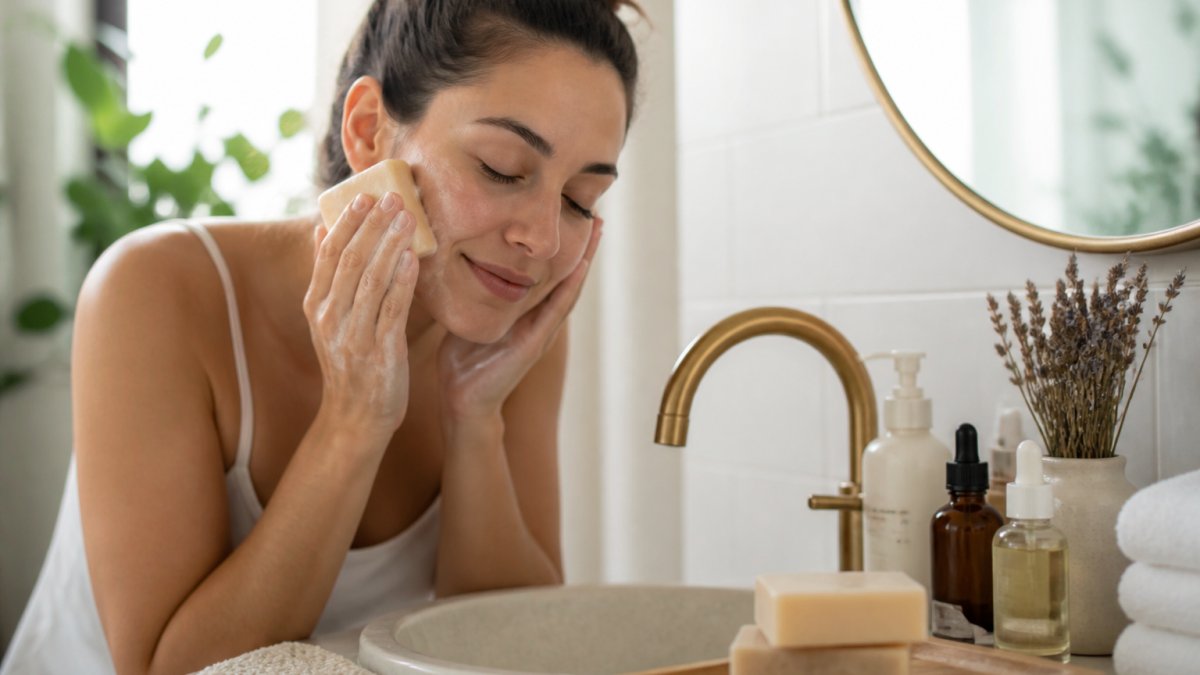
Morning: Rinse with lukewarm water and a light pass of the bar. Your skin did not collect much overnight, so a full lather is unnecessary.
Evening: This is the cleansing that matters.
Keep the bar out of standing water. A wet bar turns soft and mushy, wasting product fast; a draining dish solves this in one move.
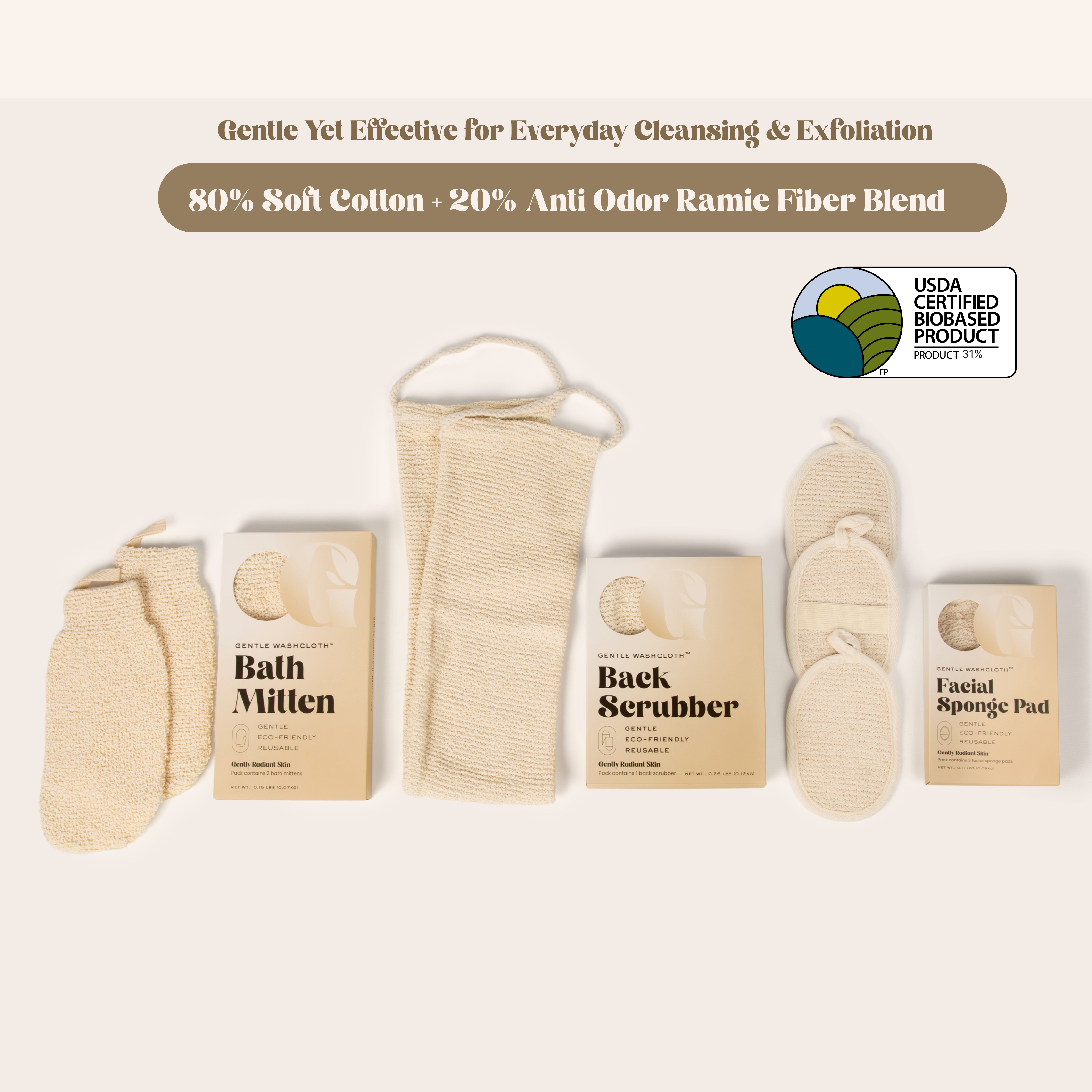
Pair the bar with a soft cloth for makeup and sunscreen removal. The Gently Radiant Skin Gentle Washcloth Collection uses a cotton and ramie blend that lifts residue without hard scrubbing, which matters if your skin reacts to friction.

The Best Organic Soap for Sensitive Skin: What to Look For
The best organic soap for sensitive skin is fragrance-free, made with certified organic oils, and free of harsh detergents. Three things decide whether a bar will work: the ingredient list, the certification, and the lather quality.
Check these before you buy:
- Certified organic ingredients. A real certification means the oils were grown and processed to a standard, not just labeled "natural."
- No added fragrance or dye. Fragrance-free beats "unscented," which can still contain masking scents.
- Short ingredient list. Fewer ingredients means fewer chances of a reaction.
- Real oils and butters. Shea butter, olive oil, and coconut oil are common base oils in cold processed bars.
- Third-party testing. Look for dermatologist or pediatrician approval if your skin is very reactive.
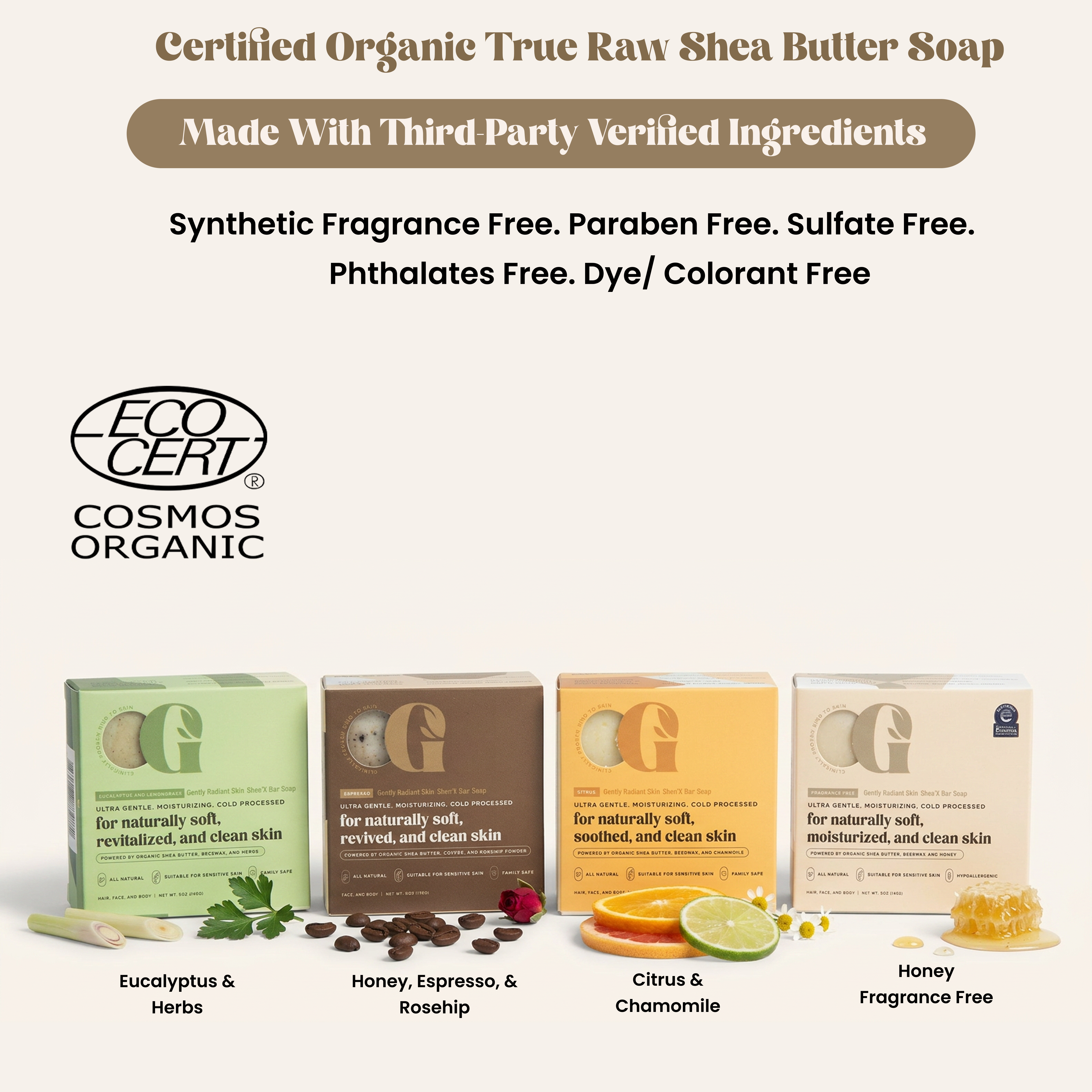
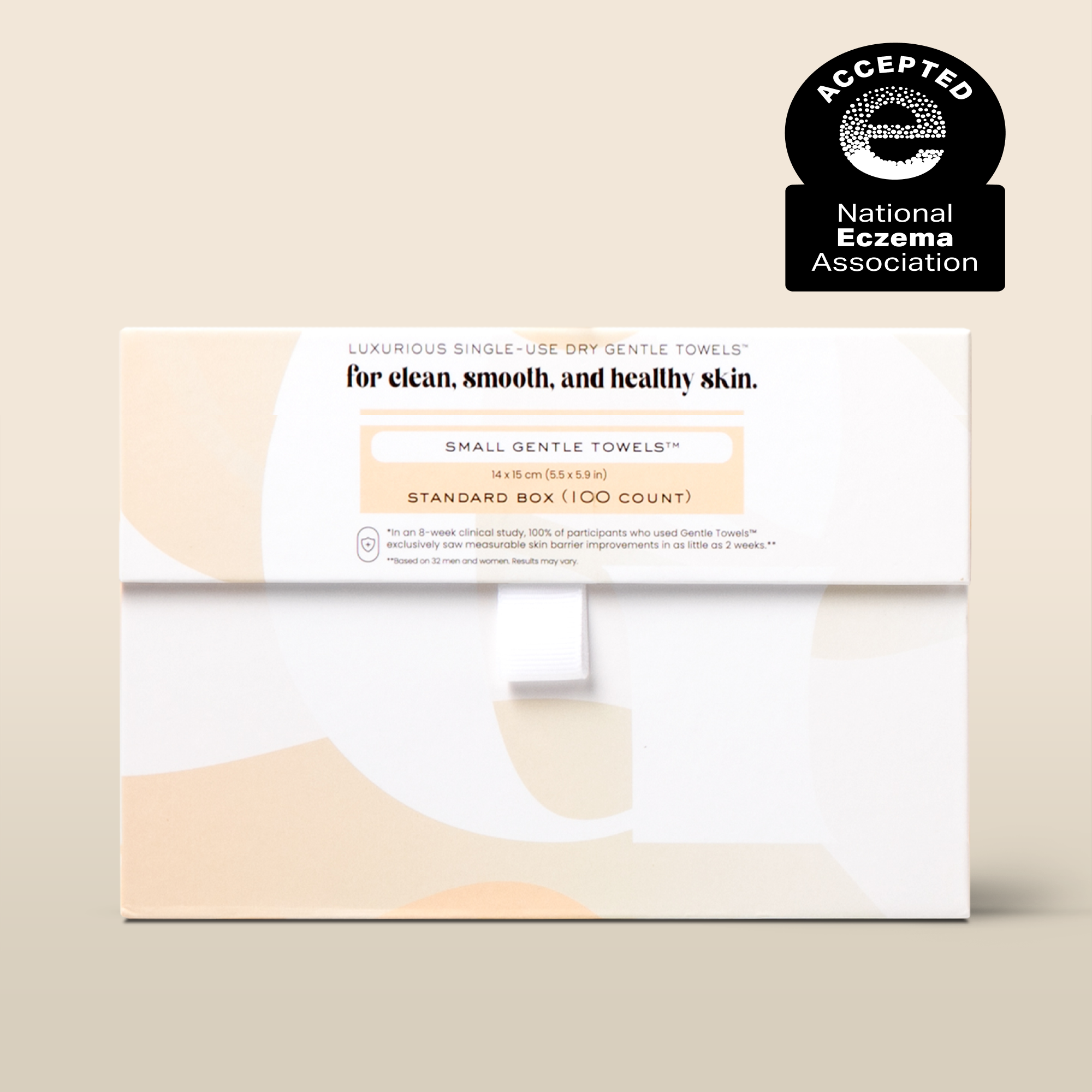
The 5oz SheaX™ Bar Soap is built to this checklist: cold process, certified organic, dermatologist and pediatrician approved, and accepted by the National Eczema Association, which matters if you are shopping for a child with eczema.

The Benefits of Shea Butter in Soap for Daily Use
The benefits of shea butter in soap come down to one thing: it leaves skin soft without a heavy residue.
That is why a good shea bar does not leave you reaching for lotion the second you step out of the shower.
Shea also improves lather quality, creating a creamy, low-bubble lather that feels cushioning rather than stripping.
One honest limitation: shea bars can feel heavy if your skin is very oily.
How to Store Handmade Soap So It Lasts
Knowing how to store handmade soap is the difference between a bar that lasts a month and one that turns to paste in a week. The rule is simple: keep it dry between uses.
Cold processed soap retains its natural glycerin, a humectant that pulls water out of the air. That is what makes the bar gentle on skin, and what makes it soften fast in a puddle.
The mechanics of a long-lasting bar
Three things drive how fast a bar disappears: surface area exposed to water, how long it stays wet, and how many hands touch it.
- Drainage beats everything. A bar that air-dries on all sides between uses can outlast the same bar sitting flat on a wet ledge by two to three times. A draining dish with raised ribs or slots is the highest-impact purchase you can make.
- Surface area matters. A large bar has more face in contact with water and more mass dissolving at once. Cutting a 5oz bar in half and rotating halves keeps the working piece smaller and the spare piece bone-dry.
- Number of users matters. A bar shared by four people gets wet four times as often and never fully dries between uses. In a busy household, individual bars last longer per person than one shared bar.
- Water hardness plays a role. Hard water leaves mineral deposits that make a bar feel slimy and wear unevenly. A quick rinse under running water before you set it down helps.
A rotation system that actually works
Most people lose bars to impatience, not to use. Here is a simple two-bar rotation:
- Bar A is in the shower, on the draining dish, in active daily use.
- Bar B is curing on a shelf in a cool, dry spot, a closet, a linen shelf, anywhere away from steam.
- When Bar A gets down to a sliver, move Bar B into the shower and cut a fresh bar to start curing in its place.
That extra curing time hardens the bar further, so every bar you use has had weeks of additional drying before it touches water. In daily rotation, expect roughly three to five weeks per 5oz bar for one person, less if shared or left wet.
Where not to store it
- Not in a sealed plastic bag while damp. Trapped moisture grows mold and the bar has to be thrown out.
- Not in a closed cabinet directly above the shower. Steam condenses on the bar even when it is not being used.
- Not on a metal dish without drainage. Metal can react with the soap and leave a residue.
- Not in direct sunlight. Heat softens the bar and fades natural colorants.
Travel and gym bags
A wet bar wrapped in a towel and stuffed in a gym bag is the fastest way to waste it. Use a travel soap case with a lid and drain tray, and let the bar dry completely at home before it goes back in. If you travel often, cut a quarter-bar for the bag so you are not risking a full bar to a forgotten wet towel.
Making the Switch Sustainable: Disposal and Eco-Friendly Habits
Cold processed soap is one of the easier swaps to make sustainable: no plastic pump, no bottle, no liquid to ship. You finish the bar and it is gone. But what actually happens to a cold processed bar after it goes down the drain, and what do you do with the slivers you cannot lather anymore?
What cold processed soap does after it leaves your hands
Cold processed soap is made from fats and oils that have been saponified, turned into soap molecules and glycerin. Soap is readily biodegradable; the fatty acid chains in the bar are the same material bacteria in soil and water already process.
The glycerin left in a cold processed bar is also biodegradable, the same compound that makes the bar gentle on skin. The feature that makes it good for your skin is the one that makes it easy on the environment.
The sliver problem, solved
Every bar ends the same way: a thin sliver that will not lather and will not stay on the dish. Here is what to do instead.
- Press slivers into the next bar. While a new bar is still slightly soft from its first use, press the old sliver onto its flat side. The two fuse as they dry.
- Make a soap saver bag. Collect slivers in a small mesh bag, tie it off, and use the bag as a washcloth. The soap works through the mesh and the bag eventually empties.
- Grate and rebatch. If you make your own cold processed soap, grate leftover slivers and melt them gently with a little water to pour into a new mold, a real technique home soapmakers use for trim and end pieces.
- Compost the truly unusable bits. Small soap scraps break down in a compost pile. Keep them out of worm bins, where the pH can bother the worms.
- Use them as hand soap at a utility sink. A sliver too small for the shower is often perfect next to the laundry sink or in the garage.
Building a zero-waste daily routine around the bar
A bar is only as low-waste as the habits around it. A few changes make the switch a genuine routine:
- Skip the plastic wrap. Choose bars sold in paper or none at all. If your bar arrives wrapped in plastic, that is a packaging choice, not a soap requirement.
- Reuse the dish. A bamboo or ceramic soap dish outlasts dozens of plastic bottles.
- Wash cloths over disposables. Reusable cloths replace wipes and cotton pads, and pair naturally with a bar because you are already lathering in your hands.
- Refill nothing. The point of a bar is that there is no bottle to refill, no pump to replace, and no plastic to recycle.
- Check the sourcing. Ethically sourced oils matter as much as the packaging. A bar made with certified organic oils supports farming practices easier on soil and water than conventional oil production.
- Buy in a size that matches your use. A 5oz bar that lasts a month is lower waste than three small bars that each come in their own wrapper.
For families, this adds up fast. One bar replaces several bottles, the dish lasts for years, and the only thing you throw away is the paper wrapper, if there even is one.

Common Mistakes When Using Cold Processed Soap Daily
Most problems with cold processed soap come from how it is used, not from the bar itself. Fix these habits and the bar performs as it should.
- Leaving the bar in standing water. It turns soft and wastes product.
- Using hot water. Heat strips the skin barrier and causes tightness.
- Scrubbing hard. Friction irritates reactive skin. Use a soft cloth and light pressure.
- Skipping the patch test. New bars can still trigger a reaction, even gentle ones.
- Expecting instant results. Barrier improvement takes time. Give a new routine a few weeks.
- Sharing one bar across very different skin types. Buy a bar matched to each person instead.
Here is a quick reference for the most common issues:
| Problem | Likely Cause | Fix |
|---|---|---|
| Bar turns mushy | Sitting in water | Use a draining dish |
| Skin feels tight | Water too hot | Switch to lukewarm |
| Breakouts worsen | Over-drying | Cleanse less aggressively |
| Redness after use | Fragrance or friction | Go fragrance-free, use a soft cloth |
| Bar disappears fast | Shared and wet | Cut in half, store dry |
If your family has different skin types, one bar will not fit everyone. Buy a fragrance-free bar for the eczema-prone member and a lighter bar for the acne-prone one, cheaper than replacing a product that never suited them.
Switching to a gentler bar sounds simple, but sensitive skin punishes guesswork. If you have tried "gentle" cleansers that still left your child's eczema flaring, the ingredient list and the certification are what separate one bar from another. Gently Radiant Skin makes cold processed, certified organic shea butter bars that are dermatologist and pediatrician approved, accepted by the National Eczema Association, and clinically tested for sensitive skin. Start with the 5oz SheaX™ Bar Soap, pair it with the Self-Draining Bamboo Soap Dish, and give your routine two weeks to show what a gentle bar can do.
Frequently Asked Questions
Is cold processed soap better for sensitive skin than commercial bars?
Cold processed soap is often gentler because it retains natural glycerin, a humectant that helps maintain the skin barrier. Commercial detergent bars frequently strip this glycerin and add synthetic fragrances that can trigger reactions. For sensitive skin, look for fragrance-free, organic options like those accepted by the National Eczema Association. Always patch-test a new bar on your inner arm for a few days before using it on your face or body.
How do I store handmade soap to make it last longer?
Keep handmade soap dry between uses. A self-draining dish, such as the Self-Draining Bamboo Soap Dish from Gently Radiant Skin, lets water run off so the bar doesn't turn soft. Store unused bars in a cool, dark place with good airflow, away from direct sunlight and humidity. If you buy in bulk, wrap each bar loosely in paper rather than plastic to let it breathe. Proper storage preserves the bar's hardness and scent for months.
Can cold processed soap be used for both body and face?
Yes, many cold processed soaps are gentle enough for both. Look for bars with a balanced fatty acid profile and added shea butter, which provides conditioning properties without clogging pores. For facial use, lather in your hands first and apply with light circular motions, then rinse thoroughly. If your face is oilier, you may prefer a bar with slightly higher cleansing power, while dry or reactive skin benefits from a superfatted formula.
What are the benefits of using cold processed soap daily?
Daily use of cold processed soap supports the skin barrier because it cleans without stripping natural oils. The retained glycerin and added shea butter help maintain moisture, reducing the need for immediate lotion after showering. Over time, consistent use can calm sensitivity and improve overall comfort. For eczema-prone skin, fragrance-free cold processed bars may reduce flare-ups compared to harsh detergents. Always follow with a moisturizer if your skin feels tight.