


Natural Alternatives to Gentle Face Wash: 2026 Guide
Table of Contents
- Natural Alternatives to Gentle Face Wash: What Actually Works
- The Benefits of Oil Cleansing for Sensitive Skin
- Micellar Water, Honey, Yogurt, and Milk: Soap-Free Cleansing Options
- How to Identify Clean Skincare Ingredients Before You Buy
-
DIY Organic Facial Cleansers: Recipes, Safety, and Shelf Life
- Recipe 1: Honey and Jojoba Oil Blend (Lowest Risk)
- Recipe 2: Oat and Yogurt Cleansing Mask (Moderate Risk)
- Recipe 3: Honey, Aloe, and Witch Hazel Toner-Cleanser (Higher Risk)
- Which Kitchen Ingredients Have Evidence, and Which Do Not
- Storage, Hygiene, and Shelf Life Rules
- Patch Testing and Contraindications
- When Natural Alternatives Fall Short: Sunscreen, Makeup, and Skin Type
- A Gentle Product Line That Works for Every Skin Type
- Conclusion: Choosing the Right Gentle Cleanser for Your Skin
- Frequently Asked Questions
Last Updated: October 5, 2026
Natural Alternatives to Gentle Face Wash: What Actually Works
Many people with sensitive or reactive skin find standard cleansers leave their face tight, red, or itchy. If you are searching for natural alternatives to gentle face wash, options range from oil cleansing to micellar water to food-based ingredients.
The catch: "natural" does not automatically mean "gentle." Some plant-based ingredients irritate reactive skin as much as synthetic ones, and homemade mixtures carry real safety concerns around bacteria and shelf life.
American Academy of Dermatology guidance on face washing
How These Alternatives Compare at a Glance
Not every alternative suits every skin type. The table below summarizes the most common options.
| Alternative | Best For | Removes Makeup/Sunscreen? | Watch Out For |
|---|---|---|---|
| Oil cleansing | Dry, sensitive skin | Yes, with a second cleanse | Clogged pores if not rinsed well |
| Micellar water | All types, quick cleanup | Light makeup only | Residue if not rinsed |
| Honey | Dry, reactive skin | No | Sticky texture, mess |
| Yogurt or milk | Soothing irritated skin | No | Spoils quickly |
| Water-only rinse | Very reactive skin | No | Buildup over time |
What to Look for in a Gentle Cleanser
A gentle cleanser should clean without stripping your skin barrier, so avoid harsh sulfates, drying alcohols, and added fragrance, especially with eczema or rosacea.
Look for short ingredient lists, fragrance-free formulas, and moisturizers like shea butter or glycerin. The National Eczema Association seal means a product was reviewed against sensitive-skin criteria, a shortcut past marketing claims.
National Eczema Association product seal criteria
The Benefits of Oil Cleansing for Sensitive Skin
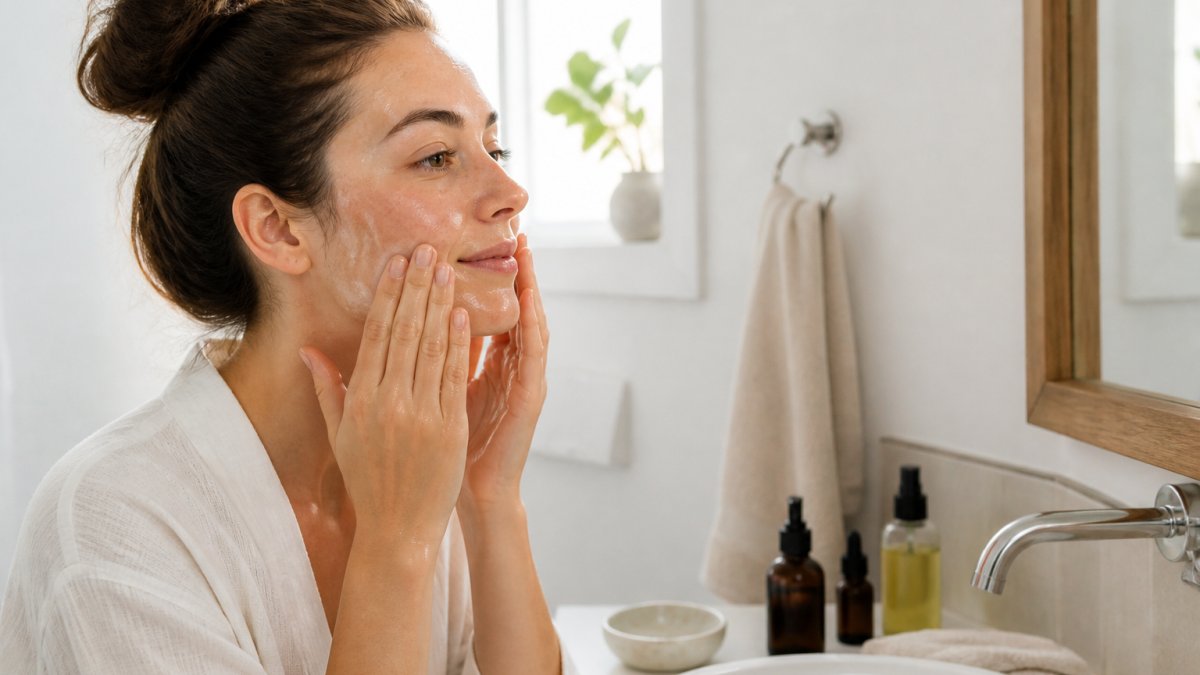
Oil cleansing dissolves oil-based debris, sebum, sunscreen, makeup, without stripping your barrier. For sensitive skin, this matters because harsh surfactants commonly trigger irritation and redness.
How to Oil Cleanse Without Clogging Pores
The method matters more than the oil:
- Apply a small amount of oil to dry skin and massage for 30-60 seconds.
- Add warm water to emulsify, then rinse thoroughly.
- Follow with a gentle second cleanse to remove any residue.
- Pat dry with a soft, clean towel.
A common mistake is skipping the rinse. Leftover oil sits in pores and can trigger breakouts, even on dry skin.
Micellar Water, Honey, Yogurt, and Milk: Soap-Free Cleansing Options
Soap-free cleansing suits reactive skin because it sidesteps barrier-stripping surfactants. But "soap-free" is a category, not a method, micellar water, raw honey, cultured dairy, and plain water each clean differently and have different limits. Treating them as interchangeable is the most common mistake in natural-cleanser advice.
Micellar Water: Convenient but Limited
Micellar water holds tiny surfactant molecules called micelles in suspension, which surround oil and dirt and lift them off without a full lather.
The limits matter, though. Micellar water handles light makeup and everyday grime but struggles with mineral sunscreen, waterproof mascara, and long-wear foundation. If you have dry or eczema-prone skin, moisturize immediately after.
Honey: Antibacterial and Barrier-Friendly, but Not a Makeup Remover
Raw honey is hygroscopic, pulling water into the skin, and has mild antibacterial activity from naturally occurring hydrogen peroxide and low pH. That makes it a reasonable morning cleanse for dry or reactive skin.
Two caveats. First, honey does not dissolve sunscreen or makeup, it is a surface cleanser, not a solvent.
Yogurt and Milk: Lactic Acid as a Gentle Exfoliant
Plain, unflavored yogurt contains lactic acid, an alpha-hydroxy acid that loosens dead surface cells while its fat and protein soothe; cold whole milk works similarly with less lactic acid. Use both as a short-contact mask-cleanse, 30 to 60 seconds, then rinse, not a daily staple.
These are the least shelf-stable options here: mix dairy fresh, use immediately, and never store at room temperature.
Water-Only Rinsing: When Less Is Actually More
For skin that is actively flaring, water-only rinsing in the morning is often safest. Lukewarm water removes overnight sweat and surface debris without any surfactant load. The trade-off is buildup: over days, oil, dead skin, and residue accumulate, and most people eventually need a gentle cleanser in the evening.
Matching the Method to Your Skin Type
- Dry or reactive skin: Honey in the morning, oil cleanse at night.
- Oily or acne-prone skin: Micellar water is fine for a midday refresh, but do not rely on it as your only cleanse, leftover residue can contribute to congestion.
- Eczema-prone skin: Water-only mornings during flares, fragrance-free rinse-off cleanser at night.
How to Identify Clean Skincare Ingredients Before You Buy
Reading a label well is the most useful skill for reactive skin: ignore the front of the package and go straight to the ingredient list.
Reading Labels Without the Marketing Spin
Focus on these signals:
- Short lists: Fewer ingredients means fewer chances for a reaction.
- Fragrance-free, not unscented: "Unscented" can still contain masking fragrances.
- No drying alcohols: Denatured alcohol and similar ingredients strip the barrier.
FDA guidance on cosmetic labeling and ingredient lists
DIY Organic Facial Cleansers: Recipes, Safety, and Shelf Life
DIY organic facial cleansers can work, but they carry risks store-bought products do not. The biggest is microbial growth: any mixture with water, milk, yogurt, or fresh plant material has no preservative system, and bacteria, yeast, and mold can colonize it within days, which is why commercial formulators use preservatives.
Below are three lower-risk recipes, ranked safest to riskiest, with the safety context most roundups skip.
Recipe 1: Honey and Jojoba Oil Blend (Lowest Risk)
Mix one part raw honey with two parts jojoba oil. Jojoba is a liquid wax ester that closely resembles human sebum, so it is less likely to clog pores than heavier oils like coconut. Honey adds mild antibacterial activity and rinses clean.
- Use: Massage onto dry skin, add warm water to emulsify, rinse thoroughly.
- Shelf life: One week, refrigerated. Discard at the first sign of separation or odor change.
- Best for: Dry, reactive skin as a morning cleanse.
Recipe 2: Oat and Yogurt Cleansing Mask (Moderate Risk)
Blend two tablespoons plain whole yogurt with one tablespoon finely ground colloidal oatmeal. Oat has long been used to soothe irritated skin, and yogurt's lactic acid provides light exfoliation.
- Use: Apply as a 60-second mask, then rinse with lukewarm water. Do not scrub.
- Shelf life: Make fresh each time. Do not store.
- Best for: Sensitive or irritated skin that needs calming, not deep cleaning.
Recipe 3: Honey, Aloe, and Witch Hazel Toner-Cleanser (Higher Risk)
Combine one tablespoon raw honey, two tablespoons aloe vera gel, and one tablespoon alcohol-free witch hazel. Aloe soothes; witch hazel is a mild astringent.
- Use: Apply with a clean cotton pad, then rinse.
- Shelf life: Three to four days, refrigerated. Aloe gel and witch hazel both contain water, so this is the most perishable of the three.
- Best for: Oily or combination skin.
Which Kitchen Ingredients Have Evidence, and Which Do Not
Not every popular DIY ingredient has a real basis for facial use.
- Reasonable evidence for gentle facial use: Colloidal oatmeal (soothing), honey (humectant and mild antibacterial), jojoba oil (emollient, low comedogenic), plain yogurt (lactic acid exfoliation).
- Mixed or weak evidence: Coconut oil (highly comedogenic for many people), apple cider vinegar (can disrupt skin pH and cause burns at full strength), lemon juice (phototoxic and irritating, avoid).
- Avoid entirely: Baking soda (pH far too alkaline for skin), cinnamon and nutmeg (common contact irritants), essential oils at full strength (fragrance allergens).
Storage, Hygiene, and Shelf Life Rules
- Make small batches you can finish within a few days.
- Refrigerate anything containing dairy, aloe, or fresh plant material.
- Never dip wet fingers into a jar, use a clean spoon or spatula.
Patch Testing and Contraindications
Always patch test a new DIY mixture on your inner forearm for 24 to 48 hours before using it on your face; reactions to natural ingredients are common and often show up on day two. Skip DIY entirely if you have an active eczema or rosacea flare, a known food or fragrance allergy, or broken skin.
FDA guidance on cosmetic labeling and ingredient lists
When Natural Alternatives Fall Short: Sunscreen, Makeup, and Skin Type
No single alternative works for every skin type or situation. Mineral sunscreens and long-wear makeup are designed to resist water and oil, exactly why they resist gentle cleansers.
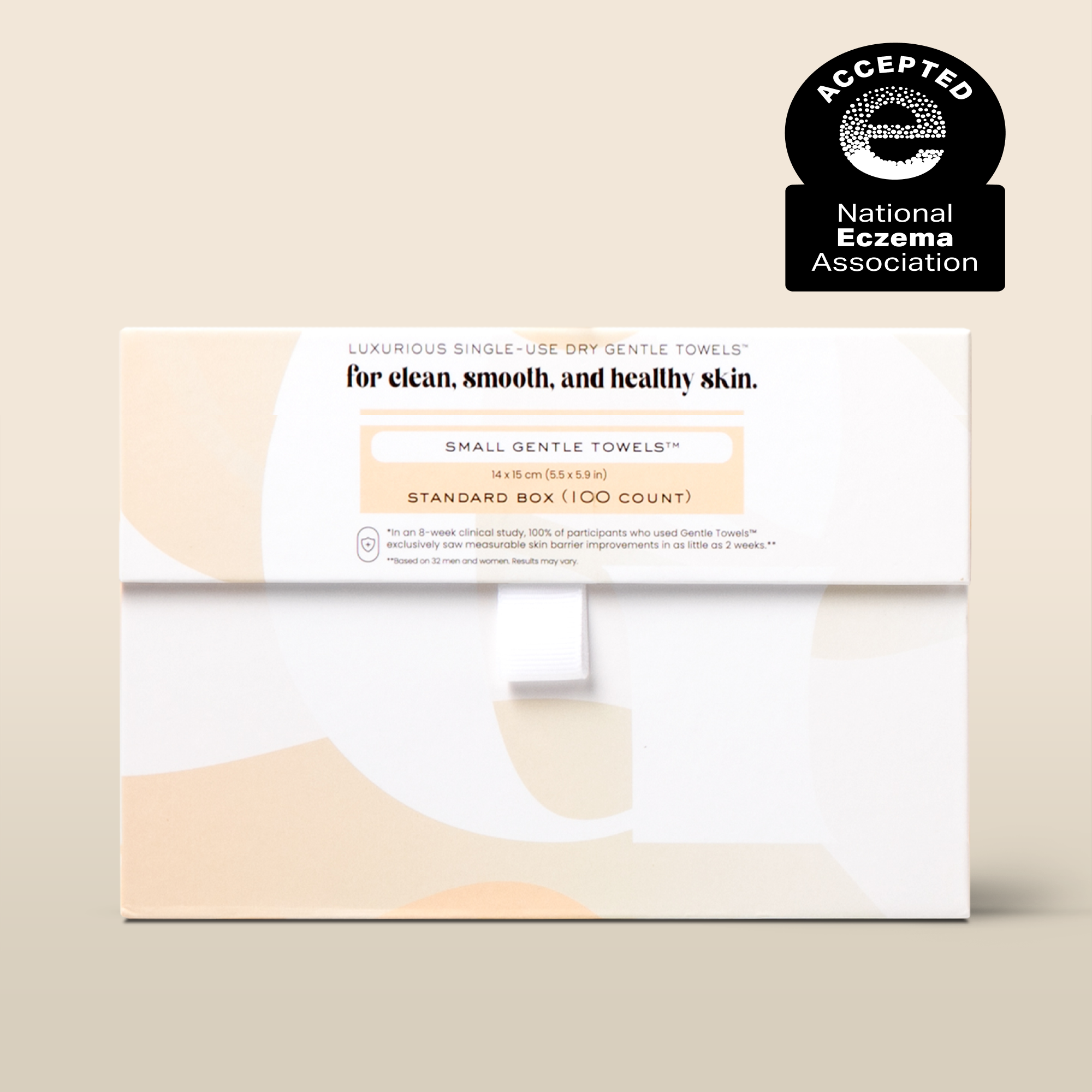
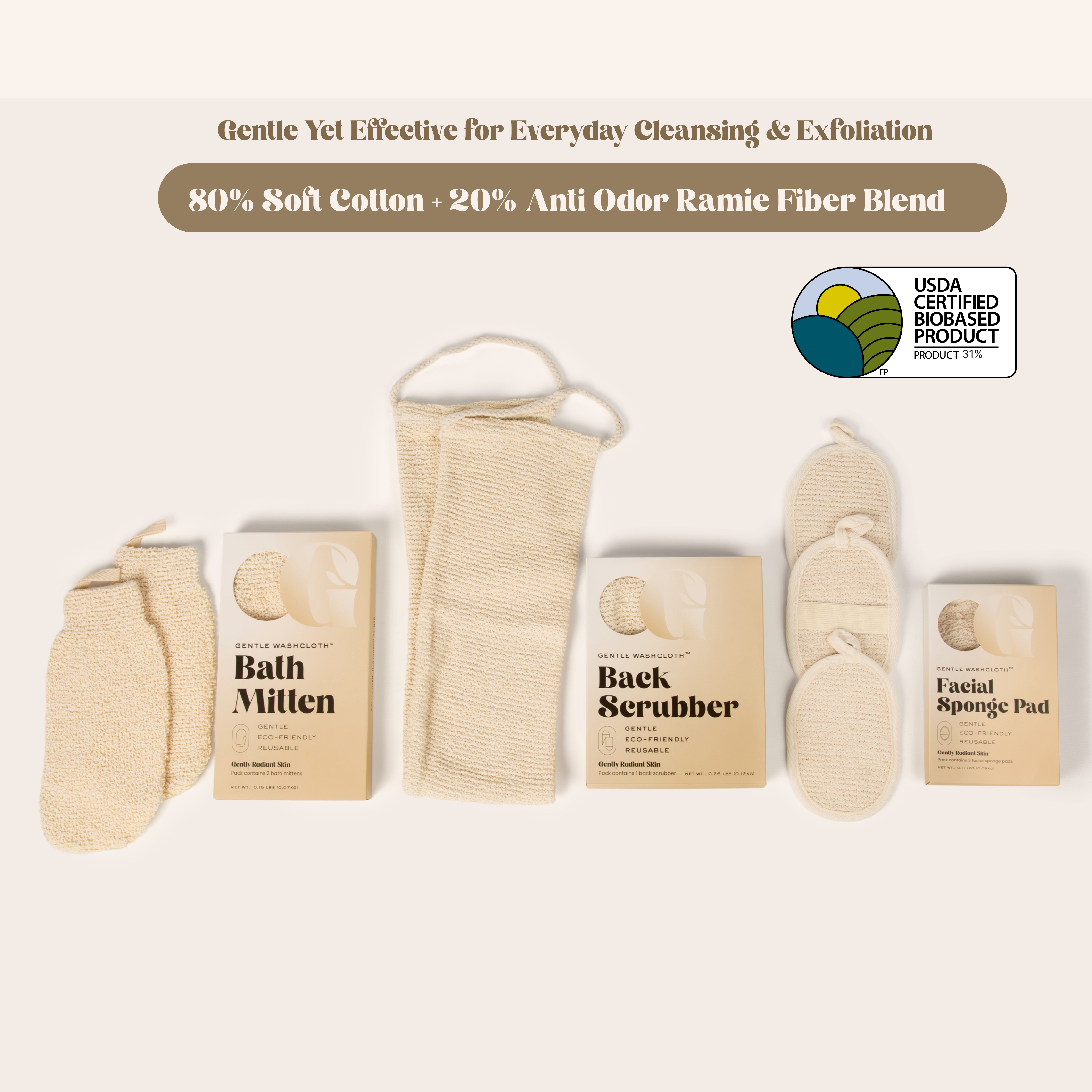
If you wear either daily, you likely need a two-step routine: an oil or balm first, then a gentle cleanser. For acne-prone skin, single-use facial towels prevent bacterial transfer from reused cloths; for eczema-prone skin, fragrance-free formulas are non-negotiable.

A Gentle Product Line That Works for Every Skin Type
Families with mixed skin types usually assume they need multiple products, but one well-formulated line covers most needs.
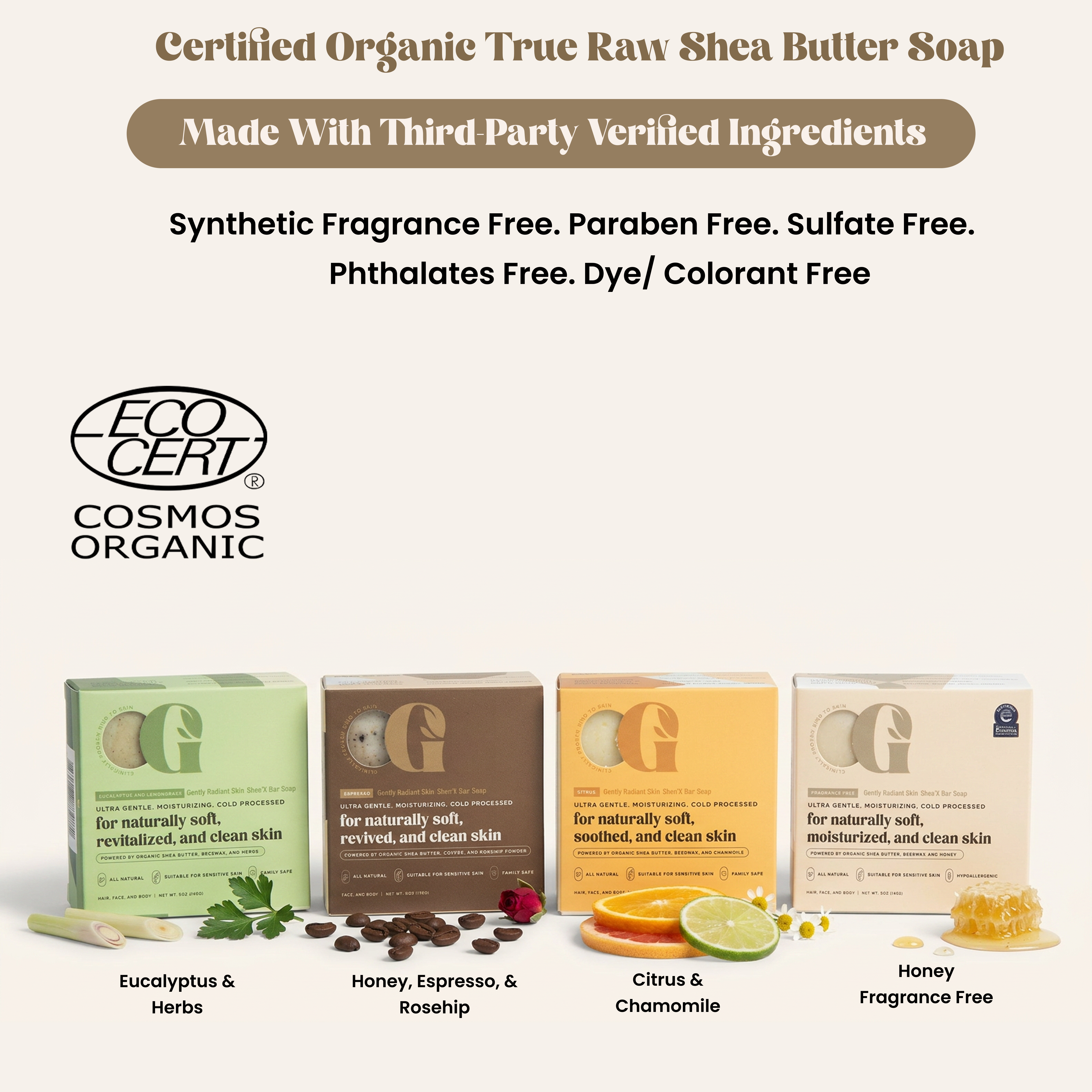
Our SheaX™ Honey Fragrance Free Bar Soap is accepted by the National Eczema Association, making it a strong fit for eczema-prone skin. For those who prefer a scented bar, the SheaX™ Eucalyptus & Herbs Bar Soap offers the same cold-processed shea base.

Conclusion: Choosing the Right Gentle Cleanser for Your Skin
Finding a routine that respects reactive skin takes trial and error, and the wrong pick can set your barrier back weeks. Gently Radiant Skin offers dermatologist and pediatrician approved cleansing essentials, including the National Eczema Association-accepted SheaX™ Honey Fragrance Free Bar Soap and Gentle Towels™ proven to improve skin barrier in two weeks.
Frequently Asked Questions
What are some natural substitutes for face wash?
Natural alternatives to gentle face wash include oil cleansers, micellar water, raw honey, plain yogurt, milk, and DIY blends made with ingredients like rose water and clay. Each works differently: oil cleansers break down makeup and sunscreen, while honey and yogurt offer gentle, soap-free cleansing for sensitive skin. The best choice depends on your skin type and whether you need to remove heavy products or just daily buildup.
Are DIY natural cleansers safe for reactive skin?
DIY cleansers can be safe, but they carry risks. Fresh ingredients like yogurt and milk spoil quickly and can introduce bacteria. Essential oils and citrus juices may trigger irritation or allergic reactions. Always patch test on your inner arm for 24 hours before applying to your face. If you have eczema or rosacea, a dermatologist-approved product with clinically tested ingredients is often safer than a homemade mixture.
How do I transition to natural skincare without causing breakouts?
Switch one product at a time, starting with your cleanser, and give your skin two to three weeks to adjust. Keep your moisturizer and sunscreen consistent during the transition. If you normally use a foaming wash, move to a soap-free option first, then introduce oil cleansing or honey-based methods. Track changes with photos so you can tell whether a breakout is purging or a genuine reaction.
Can natural alternatives remove sunscreen and makeup effectively?
It depends on the formula. Oil cleansers and cleansing balms dissolve sunscreen and long-wear makeup well, which is why double cleansing is common. Micellar water handles light makeup but may leave residue from water-resistant sunscreen. Honey and yogurt are gentle but not designed for heavy removal. If you wear SPF daily, start with an oil-based step, then follow with a gentle water-based cleanser or a soft facial towel.
How can I tell if a skincare ingredient is truly clean?
Look for short ingredient lists with recognizable names and certifications like Certified Organic or USDA Bio-based. Avoid fragrances, parabens, and sulfates if your skin is reactive. Check whether the brand publishes clinical testing or dermatologist approval, not just marketing claims. A product accepted by the National Eczema Association, for example, has met specific criteria for sensitive skin. When in doubt, patch test and introduce one new product at a time.