


Prevent Bacterial Transfer on Acne Skin: A How-To Guide
Table of Contents
- Why Bacterial Transfer Matters for Acne-Prone Skin
- Step 1: Master Your Daily Cleansing Routine
- Step 2: How Often to Wash Face Towels for Acne
- Step 3: How to Sanitize Makeup Brushes for Acne
- Step 4: Control Environmental Surfaces and Cross-Contamination
- Step 5: Post-Workout Hygiene Protocols
- Step 6: How to Stop Skin Barrier Damage
- Step 7: Choose Gentle, Clinically Tested Tools
- Frequently Asked Questions
Last Updated: August 31, 2026
Why Bacterial Transfer Matters for Acne-Prone Skin
Bacterial transfer is one of the most overlooked drivers of persistent acne breakouts. When you touch your face, share pillowcases, or use contaminated tools, you're introducing pathogenic bacteria directly to vulnerable skin. For acne-prone skin, this transfer triggers inflammatory responses that worsen existing lesions and create new ones.
At Gently Radiant Skin, many people focus exclusively on topical treatments while ignoring the environmental and behavioral factors that keep feeding the problem. The reality is simpler: reduce bacterial load through hygiene protocols, and your skin has a genuine chance to heal.

Bacterial colonization happens through multiple vectors: your hands carry millions of microorganisms, pillowcases collect dead skin cells and bacteria nightly, makeup brushes become breeding grounds if not sanitized, and even your smartphone screen transfers bacteria during calls. The skin microbiome of acne-prone individuals is already imbalanced, making them more vulnerable to inflammatory responses.
The good news: preventing bacterial transfer doesn't require expensive treatments. It requires consistent, intentional hygiene practices that fit into your existing routine.
Step 1: Master Your Daily Cleansing Routine
Your cleansing routine is the foundation of bacterial transfer prevention. The goal isn't aggressive scrubbing, which damages the skin barrier and triggers inflammation. The goal is gentle, consistent removal of surface bacteria and pore-clogging debris.
Choose non-comedogenic products
Non-comedogenic products are formulated to not clog pores or trap bacteria. Look for products explicitly labeled "non-comedogenic" and "fragrance-free." Fragrance can irritate acne-prone skin and compromise the skin barrier, inviting more bacterial colonization.
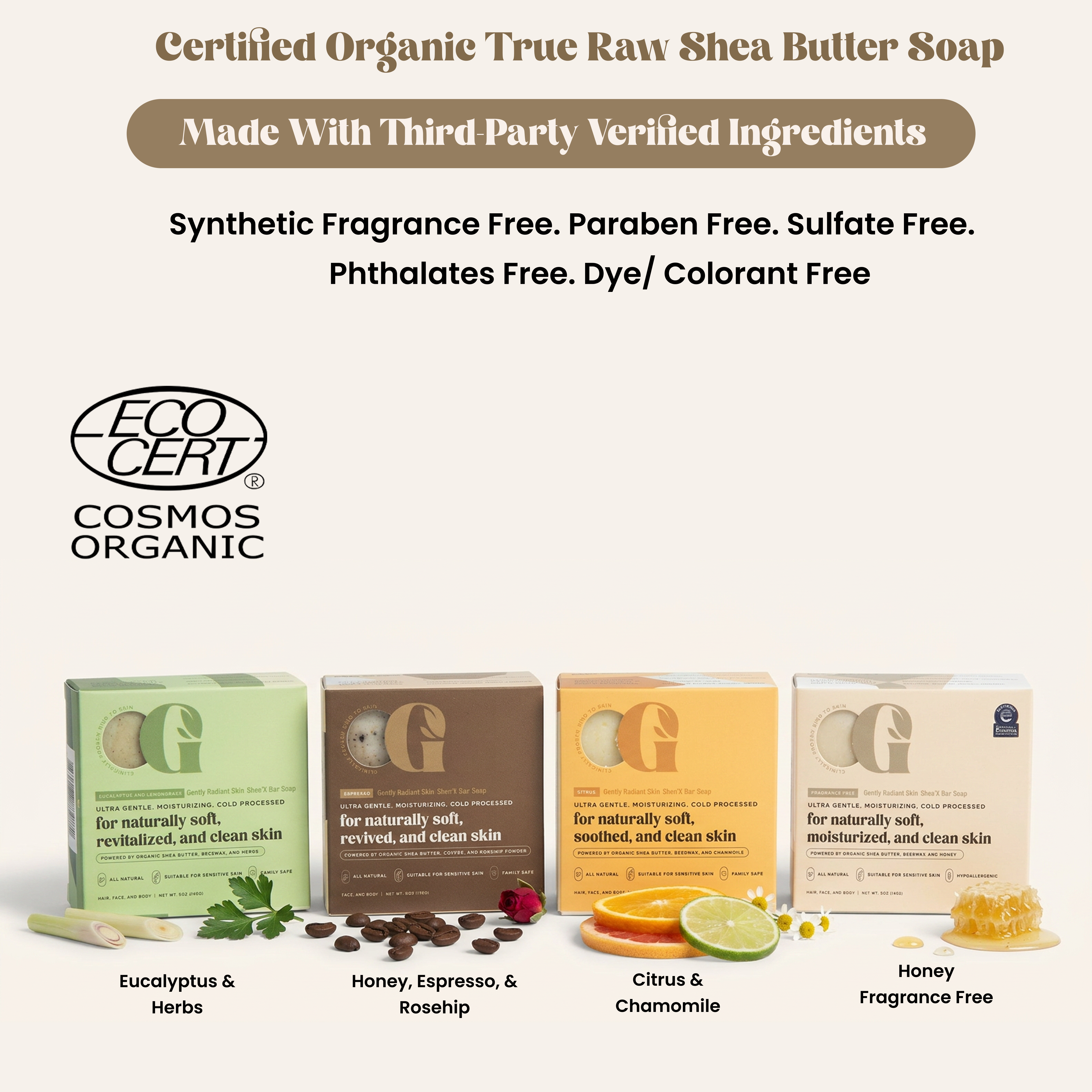
Avoid products containing heavy oils, silicones, or occlusive ingredients that create anaerobic environments where acne-causing bacteria thrive. Instead, choose cleansers with gentle surfactants. Cold-processed soaps preserve beneficial plant compounds while avoiding harsh chemicals that strip away the skin's protective lipid layer.
Wash twice daily with proper technique
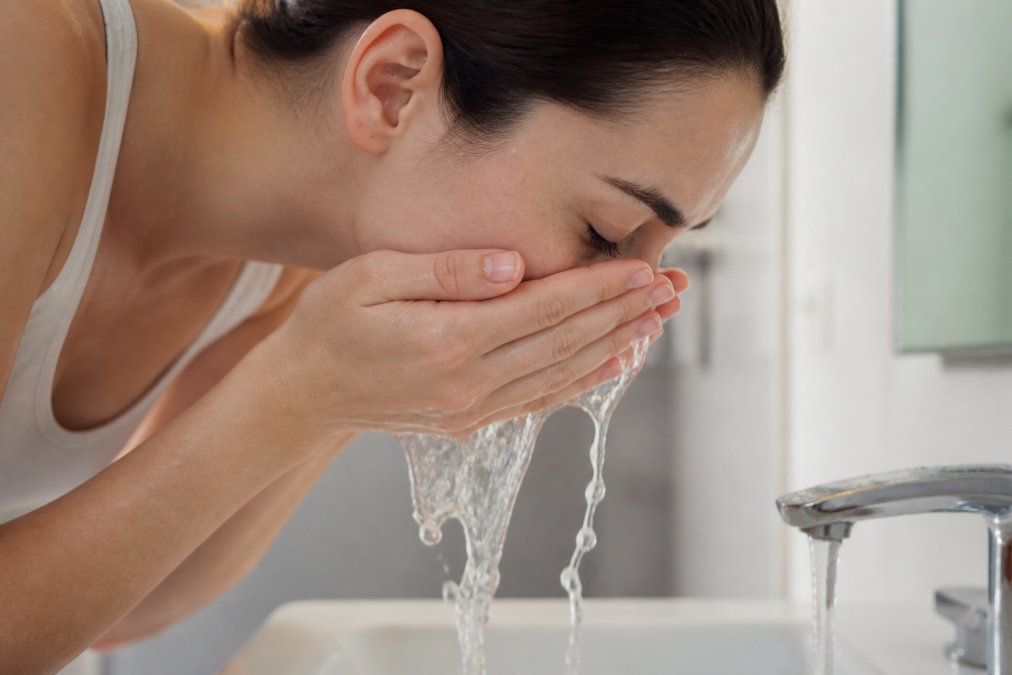
Morning and evening cleansing removes accumulated bacteria, sebum, and environmental debris. Technique matters more than frequency. Harsh scrubbing damages the skin barrier and increases inflammation.
Here's the proper cleansing protocol:
- Rinse your face with lukewarm water to open pores slightly
- Apply your non-comedogenic cleanser with your fingertips only, never use washcloths or brushes
- Use gentle circular motions for 30-60 seconds, focusing on the T-zone where sebum production peaks
- Rinse thoroughly with lukewarm water until no cleanser residue remains
- Pat dry with a clean, single-use towel
- Wait 2-3 minutes before applying other skincare products to allow the skin barrier to stabilize
This routine removes surface bacteria without triggering inflammatory responses. Over-cleansing disrupts the skin barrier and increases bacterial susceptibility.
Step 2: How Often to Wash Face Towels for Acne
Towels are one of the most contaminated items in your skincare routine. Every time you dry your face, you're transferring bacteria from the towel to your skin. Reusable cloth towels create a perfect breeding ground for pathogenic bacteria between washes, especially in humid bathroom environments.
Single-use towels vs. reusable cloth
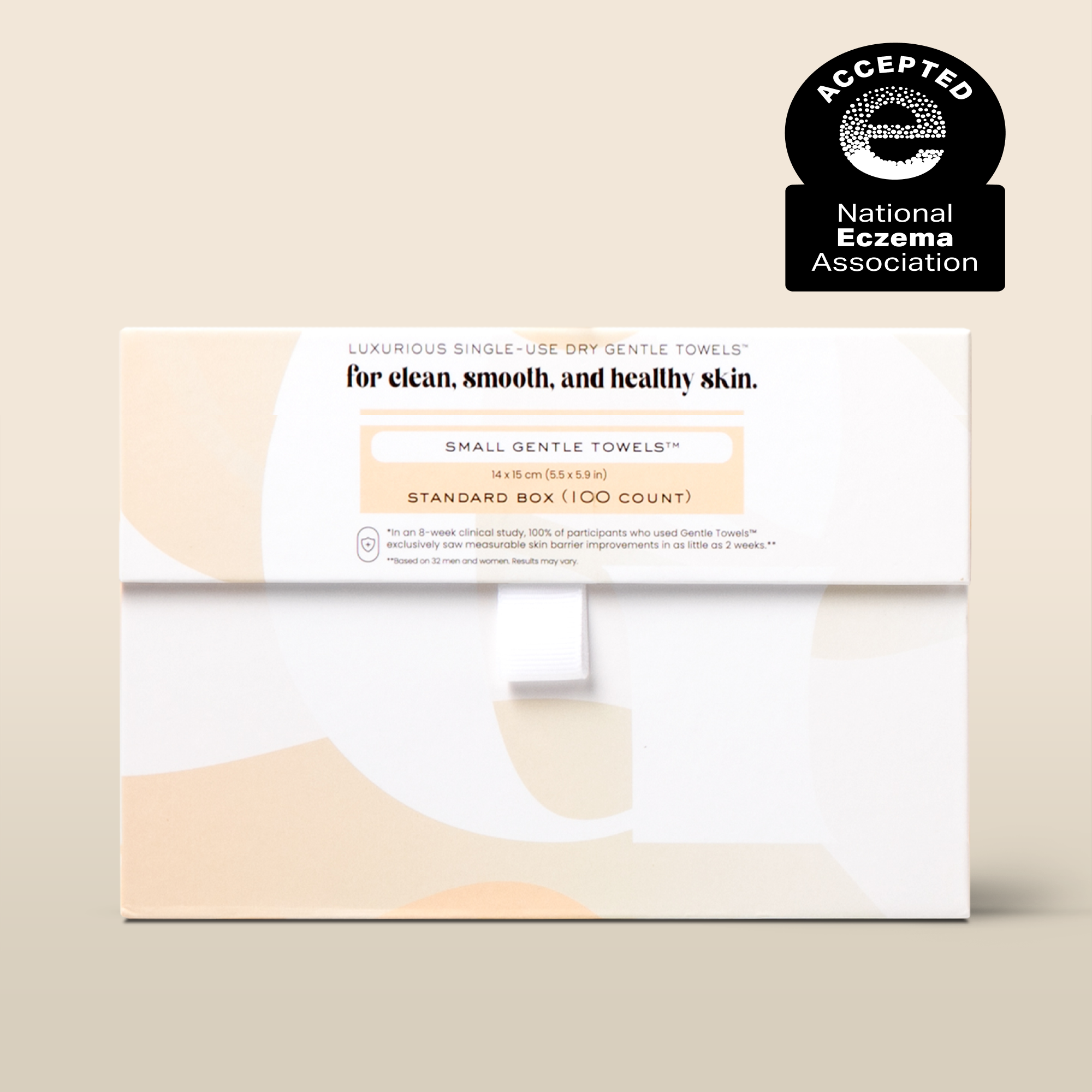
Single-use towels eliminate the bacterial accumulation problem entirely. Each time you dry your face, you're using a fresh, clean surface. Gently Radiant Skin's Gentle Towels are specifically designed for this purpose: ultra-soft, fragrance-free, and clinically tested for sensitive skin.
Reusable cloth towels require frequent washing and create a false economy. Even with regular washing, cloth towels harbor bacteria in their fibers. Studies on textile contamination show that bacteria survive standard washing temperatures and can recolonize between uses (peer-reviewed research).
If you prefer reusable towels, you must wash them after every single use. This means daily laundry loads dedicated to facial towels, which most households find impractical.
Washing frequency and temperature guidelines
If you do use reusable facial towels, follow these strict protocols:
- Wash after every single use (non-negotiable for acne-prone skin)
- Use hot water: 130°F (54°C) or higher kills most pathogenic bacteria (the CDC)
- Use fragrance-free detergent to avoid irritating your skin
- Dry in a dryer on high heat rather than air-drying
- Store in a clean, dry location, never leave damp towels in the bathroom
Single-use towels eliminate this burden entirely while providing superior bacterial transfer prevention.
Step 3: How to Sanitize Makeup Brushes for Acne
Makeup brushes are bacterial reservoirs. The bristles trap dead skin cells, sebum, bacteria, and makeup residue. Every time you apply makeup, you're transferring this bacterial load directly to your skin.
Weekly cleaning protocol
Establish a non-negotiable weekly cleaning routine for all makeup brushes:
- Rinse brushes under lukewarm running water to remove loose debris
- Apply a fragrance-free cleanser to the bristles
- Gently massage the bristles in your palm in circular motions for 30 seconds
- Rinse thoroughly until the water runs clear
- Squeeze out excess water gently, never wring or twist
- Lay brushes flat on a clean paper towel to air-dry completely
This weekly protocol removes accumulated bacteria and prevents pathogenic colonization.
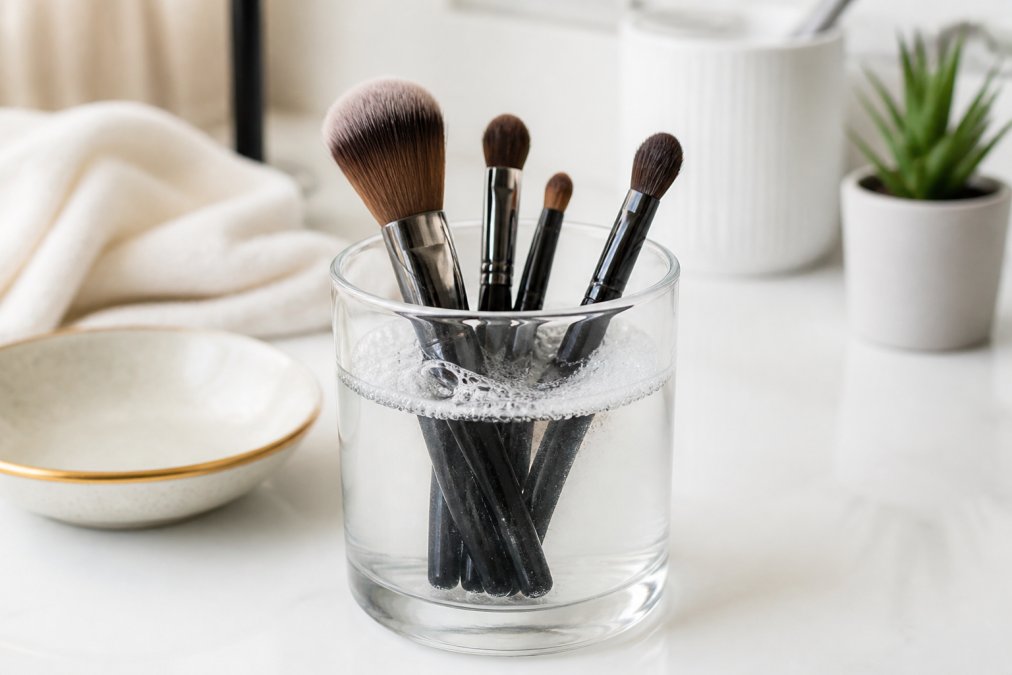
Deep sanitization method
Once monthly, perform a deep sanitization to eliminate bacteria that survive weekly washing:
- Fill a bowl with hot water (130°F or 54°C) and add a fragrance-free cleanser
- Submerge brush bristles for 10-15 minutes to loosen stubborn debris
- Gently swirl brushes in the hot water to kill bacteria
- Rinse under running hot water until completely clean
- Lay flat on clean paper towels to air-dry for at least 4 hours
For acne-prone skin, replace makeup brushes every 3-4 months. Even with perfect cleaning, bristles accumulate microscopic bacteria that sanitization can't fully eliminate. Alternatively, switch to single-use applicators or disposable makeup sponges to eliminate the bacterial transfer risk entirely.
Step 4: Control Environmental Surfaces and Cross-Contamination
Bacteria live on every surface your face contacts. Your phone screen, pillowcase, bedding, and bathroom sink harbor pathogenic bacteria that serve as vectors for bacterial transfer.
Sanitize high-touch surfaces
Your smartphone screen contacts your face multiple times daily during calls and photos. Clean your phone screen daily with a microfiber cloth. For deeper sanitization, use an alcohol-based screen cleaner (70% isopropyl alcohol) once weekly.
Your bathroom sink and countertop are high-touch surfaces that collect bacteria. Wipe them down daily with a disinfectant spray, especially the areas where you rinse your face and apply skincare products. sensitive skin routine.
Manage pillowcase and bedding hygiene
Your pillowcase is one of the most significant bacterial transfer vectors for acne-prone skin. Every night, your face contacts the pillowcase for 6-8 hours, transferring bacteria and sebum to the fabric.
Wash pillowcases twice weekly in hot water (130°F or 54°C) with fragrance-free detergent. If you have severe acne, wash daily. Never reuse a pillowcase between washes; bacteria regrow rapidly on damp fabric.
Consider using a clean, fresh pillowcase every night if your acne is severe. Alternatively, place a clean towel over your pillow each night and wash it after one use. Wash all bedding weekly in hot water.
Step 5: Post-Workout Hygiene Protocols
Exercise is essential for health, but sweat creates an ideal environment for bacterial growth on acne-prone skin. Sweat is a mixture of water, salt, and urea, nutrients that pathogenic bacteria consume rapidly.
Shower immediately after exercise, ideally within 15-20 minutes. Use lukewarm water and your gentle, non-comedogenic cleanser to remove sweat, bacteria, and workout-related debris. Pay special attention to areas prone to acne: the face, chest, back, and shoulders.
If you can't shower immediately, use cleansing wipes designed for sensitive skin to reduce bacterial load temporarily. Wash workout clothes after every single use; sweat-soaked fabric becomes a bacterial breeding ground.
For facial acne triggered by exercise, consider wearing a clean, breathable headband that absorbs sweat before it contacts your face. Change the headband immediately after exercise and wash it before reusing.
Step 6: How to Stop Skin Barrier Damage
The skin barrier is your first line of defense against bacterial colonization. When the barrier is compromised, bacteria penetrate deeper into the dermis, triggering more severe inflammation.
Avoid mechanical damage and over-cleansing
Mechanical exfoliation damages the skin barrier and increases bacterial susceptibility. For acne-prone skin, avoid mechanical exfoliation entirely. If you want to exfoliate, use a gentle chemical exfoliant with low concentrations of salicylic acid or lactic acid, applied no more than 2-3 times weekly.
Over-cleansing strips away the skin's protective lipid layer. Stick to the twice-daily protocol outlined in Step 1. Avoid picking, popping, or squeezing pimples, which creates open wounds allowing bacteria to penetrate deeper and spreads bacteria to surrounding areas.
Support skin microbiome balance
The skin microbiome consists of beneficial bacteria that protect against pathogenic species. Choose gentle, pH-balanced cleansers that preserve beneficial bacteria. Avoid antibacterial soaps and products containing triclosan, which kill indiscriminately and disrupt the microbiome.
Moisturize consistently after cleansing. A healthy skin barrier requires adequate hydration and lipid content. Avoid prolonged use of benzoyl peroxide, which can disrupt the skin microbiome if overused. Use the lowest effective concentration (2.5%) and follow product instructions carefully.
Step 7: Choose Gentle, Clinically Tested Tools
The tools you use to cleanse and care for your skin directly impact your ability to prevent bacterial transfer. Single-use facial towels eliminate the bacterial accumulation problem that reusable towels create. Gently Radiant Skin's Gentle Towels are clinically tested, fragrance-free, and designed specifically for acne-prone and sensitive skin.
The Gentle Towels come in multiple sizes to fit your needs:
| Product | Count | Price | Best For |
|---|---|---|---|
| Gentle Towels™ Daily Facial Towels - 5.5 x 6 inches - 50 towels | 50 towels | $18.00 | Monthly supply, testing the product |
| Gentle Towels™ Daily Facial Towels - 5.5 x 6 inches - 100 count | 100 towels | $32.00 | 2-3 month supply, regular users |
| Gentle Towels™ Daily Facial Towels - 5.5 x 6 inches - 200 towels | 200 towels | $60.00 | 4-6 month supply, households with multiple users |
These towels reduce bacterial transfer through your drying routine while supporting skin barrier health. They're dermatologist-approved, accepted by the National Eczema Association, and proven to reduce the appearance of blemishes by week 8.
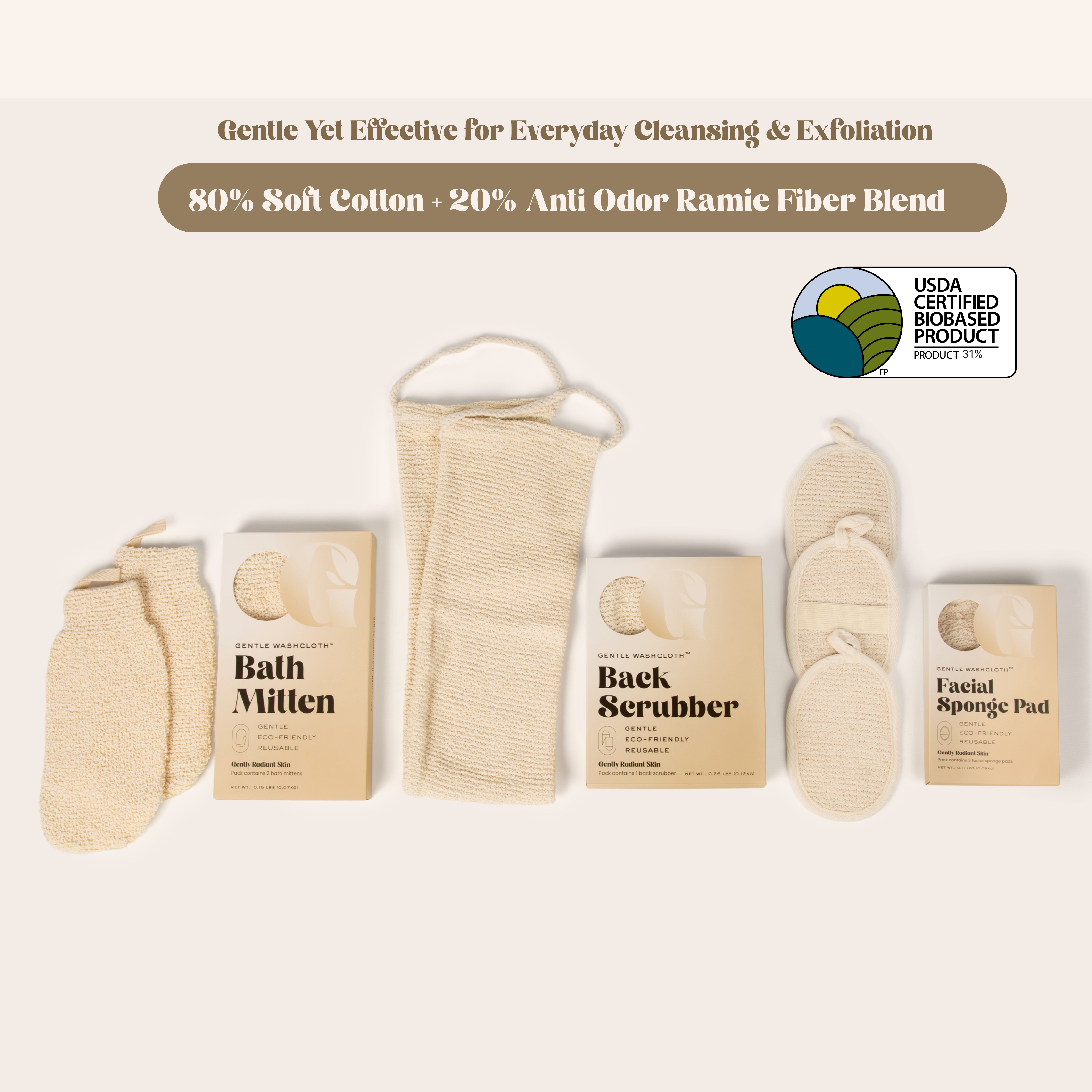
For cleansing, pair single-use towels with a gentle, non-comedogenic cleanser. Cold-processed organic soaps preserve beneficial plant compounds while avoiding harsh chemicals. Avoid multi-use tools like washcloths, loofahs, or facial brushes, which harbor bacteria and cause mechanical damage. Fingertips are the gentlest, most effective cleansing tool available.
For makeup application, invest in high-quality brushes and commit to weekly sanitization, or switch to disposable applicators or sponges to eliminate the bacterial transfer risk entirely.
Preventing bacterial transfer on acne skin requires consistent, intentional hygiene practices across multiple vectors: your cleansing routine, towels, tools, environment, and post-workout protocols. These practices are simple and cost-effective when you choose the right products.
Gently Radiant Skin's Gentle Towels eliminate the most significant bacterial transfer vector, contaminated towels, while supporting skin barrier health. Combined with a gentle cleansing routine and environmental hygiene protocols, single-use towels give your acne-prone skin the best chance to heal. The National Eczema Association's guidelines on cleansing emphasize the importance of gentle tools and fragrance-free products for compromised skin barriers, and our towels meet these standards. Start with the Gentle Towels and a consistent cleansing protocol, and you'll see measurable improvement in breakout frequency and severity within 2-4 weeks.
Frequently Asked Questions
Does touching your face spread acne bacteria?
Yes. Touching your face transfers pathogenic bacteria from your hands to your skin, increasing bacterial load and cross-contamination. This is especially problematic for acne-prone skin where pores are already congested. Avoid touching your face throughout the day, and wash your hands frequently. When you must touch your face, ensure your hands are clean and dry.
How often should you change your pillowcase to prevent acne?
Change your pillowcase every 2-3 days to prevent bacterial transfer to your skin. Pillowcases accumulate dead skin cells, sebum, and bacteria that recolonize acne-prone areas overnight. If you have active breakouts, wash pillowcases every 2 days in hot water. Single-use facial towels like Gentle Towels™ can also help reduce contact with contaminated fabrics during nighttime.
What kills bacteria on acne skin?
Benzoyl peroxide is clinically proven to reduce bacterial load on acne-prone skin. Gentle cleansing with non-comedogenic products removes pore-clogging debris and pathogenic bacteria without damaging your skin barrier. Proper hygiene protocols, including sanitized tools and clean towels, prevent new bacterial colonization. Dermatologist-approved cleansers that support skin microbiome balance are more effective long-term than harsh treatments that strip your skin.
How can I prevent bacterial infections that cause pimples?
Prevent bacterial infections by maintaining a rigorous hygiene protocol: wash your face twice daily with gentle, non-comedogenic products; use single-use facial towels to avoid cross-contamination; sanitize makeup brushes weekly; change pillowcases every 2-3 days; and avoid touching your face. After workouts, cleanse immediately to remove sweat and bacteria. Support your skin barrier function by avoiding over-exfoliation and using products dermatologist-approved for sensitive, acne-prone skin.
This article was written using GrandRanker