


Natural Cleansing Products Without Essential Oils for Sensitive Skin
Table of Contents
- Why Essential Oils Trigger Reactions in Sensitive Skin
- Skincare Ingredients to Avoid for Sensitive Skin
- How to Identify Essential Oils in Skincare Labels
- Benefits of Cold-Processed Soap for Skin
- Natural Cleansing Products Without Essential Oils for Sensitive Skin
- How to Build a Gentle Cleansing Routine for Reactive Skin
- Conclusion
- Frequently Asked Questions
Last Updated: September 30, 2026
Why Essential Oils Trigger Reactions in Sensitive Skin
The ingredient list on a "gentle" cleanser often hides the very thing causing the reaction. Natural cleansing products without essential oils for sensitive skin exist because plant-derived fragrance is one of the most common triggers for reactive complexions, and "natural" says nothing about whether a formula will calm or inflame skin.
The Chemistry: Why "Plant-Derived" Does Not Mean "Gentle"
An essential oil is a volatile mixture of dozens of aromatic compounds, terpenes, aldehydes, phenols, and esters, separated from plant material by distillation or expression. The molecules that give lavender its scent are the ones the immune system can flag as foreign.
- Linalool, a terpene alcohol found in lavender, mint, and coriander
- Limonene, a citrus terpene in orange, lemon, and grapefruit oils
- Citronellol and geraniol, alcohols concentrated in rose and geranium
- Eugenol, a phenol in clove and cinnamon leaf oil
- Citral, an aldehyde in lemon, lemongrass, and verbena
The Dose Problem Nobody Mentions
Concentration is where most label-reading advice falls apart. A rinse-off cleanser listing lavender oil at the end of the ingredient list may contain a fraction of a percent, while a leave-on product with the same oil near the top could carry several percent.
A few practical patterns are worth knowing:
- Rinse-off versus leave-on. Cleansers have brief skin contact, so irritation risk is generally lower than for serums or moisturizers, but a compromised barrier does not respect that distinction.
- Position on the list. Ingredients are listed in descending order of concentration down to about 1%. An essential oil listed after the preservative is likely present in trace amounts.
- "Fragrance-free" versus "unscented." Not synonyms. "Unscented" can mean masking fragrances were added to neutralize a natural odor; "fragrance-free" is the claim that matters for reactive skin.
- Botanical extracts as cover. A formula can list "botanical extracts" or "natural aroma" and still contain several declared allergens underneath.
Why the Label Lets This Happen
The FDA's guidance on cosmetics and ingredient labeling explains that fragrance can legally be listed under a single catch-all term, which is why "fragrance-free" claims matter more than a label that simply says "natural." In the United States, cosmetic ingredients and labeling are overseen by the FDA under the Federal Food, Drug, and Cosmetic Act, and the Modernization of Cosmetics Regulation Act (MoCRA), signed in 2022, added facility registration, product listing, and adverse-event reporting requirements.
What This Means for a Compromised Barrier
Skin with a damaged lipid barrier loses water faster and lets irritants in more easily. The stratum corneum, the outermost layer, is a brick-and-mortar wall of corneocytes held together by ceramides, cholesterol, and fatty acids. When that wall is compromised by eczema, over-cleansing, or harsh surfactants, fragrance compounds penetrate further and trigger a response intact skin would have shrugged off.
Skincare Ingredients to Avoid for Sensitive Skin
The fastest way to protect reactive skin is knowing what to screen out before you buy. A short list covers most of the trouble.
- Essential oils and their components: linalool, limonene, citronellol, geraniol, and eugenol
- Synthetic fragrance: listed simply as "fragrance" or "parfum"
- Harsh surfactants: sulfates that strip the lipid barrier and leave skin tight
- Alcohols: denatured alcohol and other drying solvents
- Preservatives with known sensitizers: methylisothiazolinone and similar compounds
Synthetic Fragrance and Harsh Surfactants
Synthetic fragrance is a blend that can contain dozens of unlisted chemicals and is a leading cause of contact reactions in sensitive skin. Harsh surfactants create the rich lather people associate with "clean," but that foam lifts away the skin's own oils along with the dirt, leaving the barrier weaker than before you washed.
How to Identify Essential Oils in Skincare Labels
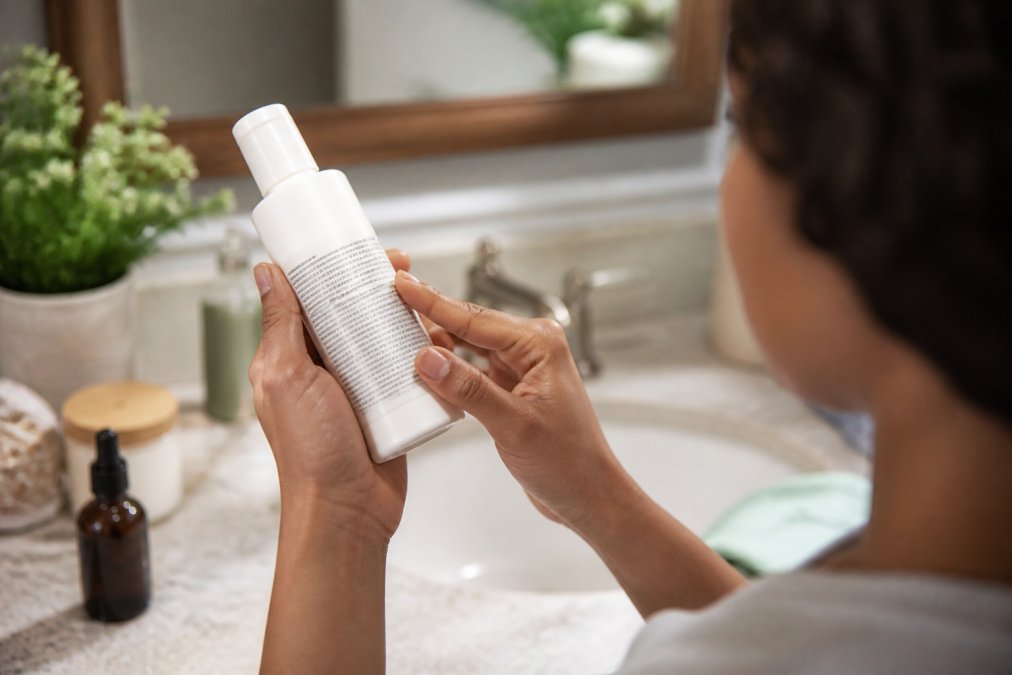
Reading the back of the bottle takes about thirty seconds once you know the pattern. Essential oils rarely appear as "lavender oil" alone; they show up under their chemical component names, which is how they slip past shoppers scanning for the obvious words.
Common Essential Oil Aliases on Ingredient Lists
These are the names to circle, because each one signals a fragrance component that can irritate sensitive skin:
- Linalool (lavender, mint)
- Limonene (citrus)
- Citronellol and geraniol (rose, geranium)
- Eugenol (clove)
- Citral (lemon, lemongrass)
The Ingredient-Checker Workflow: How to Verify a Formula Yourself
Most guides stop at the alias list. Here is a repeatable four-step process you can run on any cleanser before you buy it.
Other references worth bookmarking:
- CosIng, the European Commission's cosmetic ingredient database, useful for confirming what an INCI name actually refers to
- PubChem, the National Library of Medicine's chemical database, for looking up a specific compound's known irritancy and sensitization data
- The product's own safety assessment, under MoCRA, brands must maintain safety substantiation records; some publish summaries
Red Flags That Suggest a Formula Is Not Truly Fragrance-Free
A few patterns reliably indicate a product is not as clean as the front label suggests:
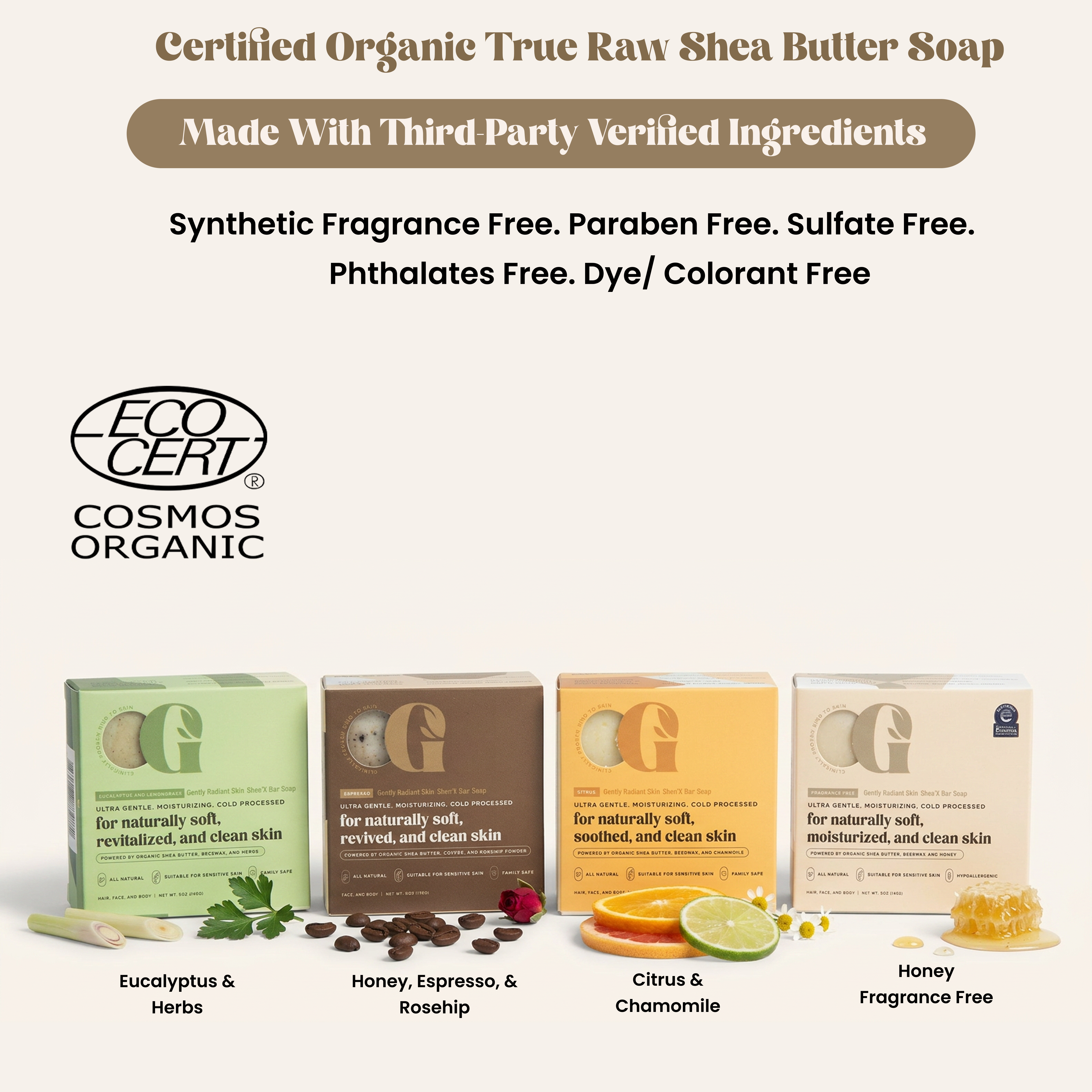
5oz SheaX™ Honey Fragrance Free Bar Soap →
- "Natural fragrance" or "natural aroma", still a fragrance, still a potential trigger, just sourced from plants
- "Unscented", often means a masking fragrance was added to neutralize the base odor
- "Botanical extracts" with no breakdown, can conceal several declared allergens
- Essential oils listed as "preservatives", some, like tea tree, are marketed this way to sidestep fragrance labeling
- "Hypoallergenic", a marketing term with no legal definition in the United States; it is not a substitute for a full ingredient list
A Note on "Clean" and "Natural" as Marketing Terms
Neither "clean" nor "natural" has a binding legal definition for cosmetics in the United States; a brand can use either without meeting any standard. The only claims with regulatory teeth are tied to specific ingredients or certifications, "fragrance-free," "dye-free," or acceptance by a body like the National Eczema Association, which reviews formulations against its own criteria.
Benefits of Cold-Processed Soap for Skin
Cold-processed soap is made without the high heat that breaks down naturally occurring glycerin, so the finished bar keeps more of the moisture-attracting compounds that make cleansing comfortable. That retained glycerin is why a well-made cold-process bar cleans without the tight, stripped feeling that follows many commercial cleansers.
Natural Cleansing Products Without Essential Oils for Sensitive Skin
The best natural cleansing products without essential oils for sensitive skin combine fragrance-free formulas with clinically tested materials, so you get effective cleansing without the ingredients most likely to trigger a reaction. Here is how our lineup compares.
| Product | Price | Best For | Key Feature |
|---|---|---|---|
| 5oz SheaX™ Honey Fragrance Free Bar Soap | $20.00 | Full-body cleansing | Cold-process shea butter, NEA accepted |
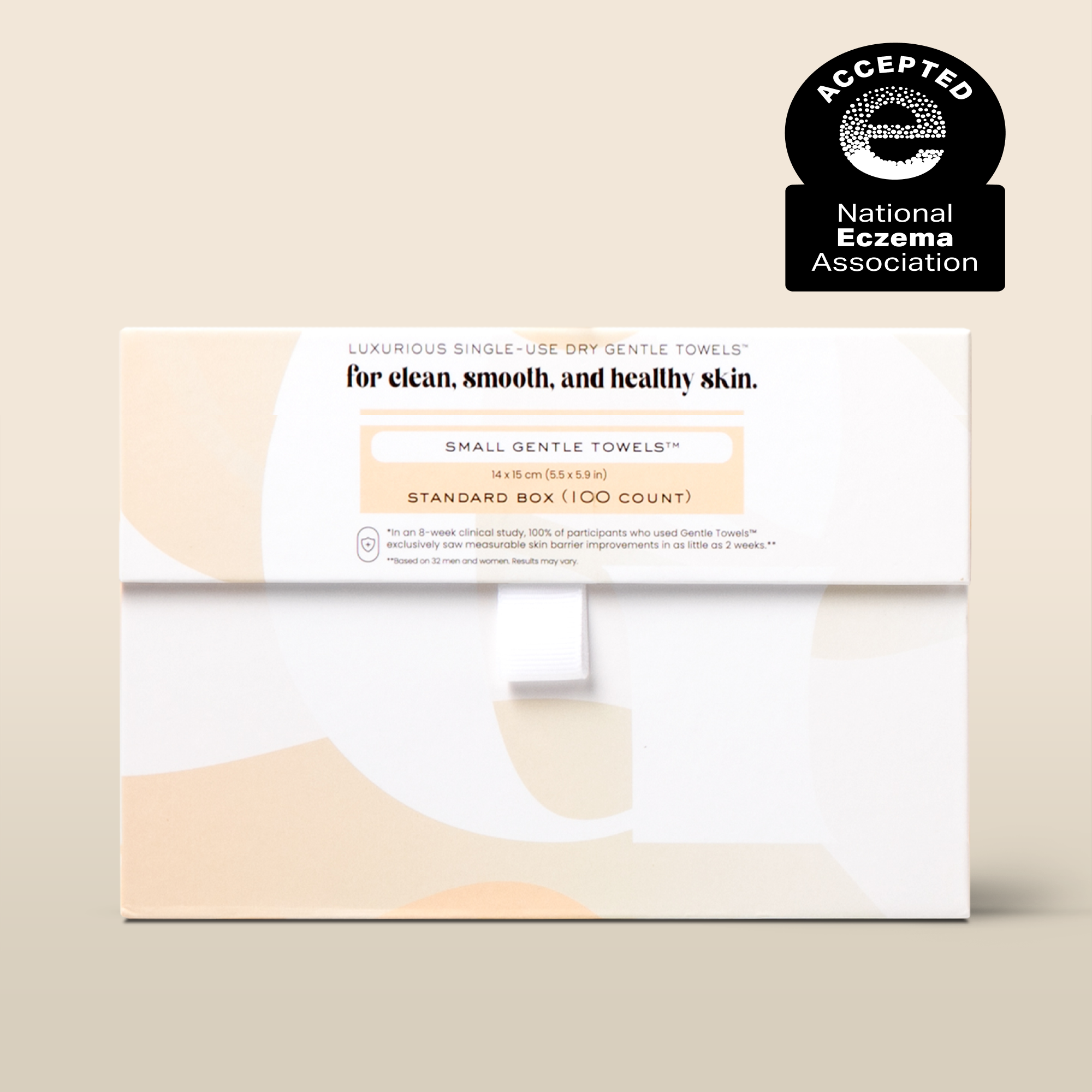
| Gentle Towels™ (starter box) | $17.50 | Daily face cleansing | Clinically tested, fragrance-free |
| Gentle Towels™ 8 x 9 in, 15 towels | $9.99 | Trying the format | Travel-friendly size |
| Gentle Towels™ 11 x 12 in, 30 towels | $25.99 | Makeup removal | Larger surface area |
Fragrance-Free Bar Soaps and Facial Towels
Bar soap handles the body. For the face, Gentle Towels™ are single-use facial towels that work wet or dry and solve a problem most cleansers cannot: the washcloth itself. A reusable cloth holds bacteria between washes, bad news for acne-prone and reactive skin alike.

How to Build a Gentle Cleansing Routine for Reactive Skin
- Morning: Rinse with lukewarm water, or use a Gentle Towels™ dampened with water if you need to remove overnight product.
- Evening: Cleanse with the SheaX™ Fragrance Free Bar or a Gentle Towels™ wipe to lift sunscreen and makeup.
- Avoid scrubbing: Let the product do the work; friction damages a fragile barrier.
- Pat, do not rub: Press the skin dry with a clean towel.
- Moisturize within a minute: Sealing in water while skin is still damp supports moisture retention.
- Give it two weeks: Barrier improvement takes time, so judge results after a full cycle.
That two-week window is not arbitrary. It matches how long the skin barrier typically takes to show measurable recovery, which is why our clinical testing measures results at the two-week mark rather than the next morning.
Conclusion
Finding natural cleansing products without essential oils for sensitive skin comes down to reading labels carefully and choosing fragrance-free formulas you can trust. Gently Radiant Skin builds its lineup around that need: cold-processed organic shea butter soaps accepted by the National Eczema Association, clinically tested Gentle Towels™ that improve the skin barrier in two weeks, and fragrance-free formulas approved by dermatologists and pediatricians.
National Eczema Association guidance on skincare ingredients
Frequently Asked Questions
What is the best natural cleanser for sensitive skin?
The best natural cleanser for sensitive skin avoids essential oils, synthetic fragrance, and harsh sulfates. Look for fragrance-free formulas with plant-based surfactants and soothing ingredients like glycerin or ceramides. Cold-processed bar soaps made with unrefined shea butter are a strong option because they clean without stripping the skin barrier. Products accepted by the National Eczema Association have been reviewed for irritants and are a practical starting point.
How do I identify essential oils in skincare labels?
Essential oils appear under many names on ingredient lists. Watch for terms like lavender oil, citrus peel oil, peppermint oil, eucalyptus oil, tea tree oil, and any plant extract followed by 'oil.' Fragrance-free products may still contain masking fragrances, so check for 'fragrance' or 'parfum' as well. If a label lists botanical extracts but does not specify whether they are essential oils, contact the brand directly for clarification.
Are cold-processed soaps better for reactive skin types?
Cold-processed soap retains naturally occurring glycerin, which helps attract moisture to the skin. This is different from many commercial bar soaps where glycerin is removed during processing. For reactive skin, the retained glycerin supports moisture retention and reduces the tight, dry feeling that follows cleansing. Cold-processed bars made without fragrance or essential oils are a practical choice for people who react to standard cleansers.
Can natural cleansers effectively remove makeup without harsh additives?
Yes. Fragrance-free facial towels and gentle bar soaps can remove makeup, sunscreen, and daily buildup without scrubbing. The key is using a soft towel or cloth with a gentle cleanser and warm water. Single-use facial towels are helpful because they prevent bacterial transfer from reused washcloths, which matters for acne-prone or reactive skin. Look for products clinically tested for sensitive skin.
What ingredients should I avoid if I have extremely sensitive skin?
Avoid synthetic fragrance, essential oils, sulfates (like sodium lauryl sulfate), alcohol, and preservatives such as methylisothiazolinone. These ingredients can disrupt the skin barrier and cause redness, itching, or inflammation. Check for 'fragrance-free' rather than 'unscented,' since unscented products may contain masking fragrances. Patch testing any new product on a small area before full use helps catch reactions early.